读过 The Spirit Catches You and You Fall down 🌕🌕🌕🌕🌕
作者能够花费这么多年去追踪这个故事相当不容易,非具有很深的同理心很难坚持。我看的过程中骂骂咧咧。作为一个相信现代医学的人,很难不会觉得Hmong对于疾病的种种做法匪夷所思。但Lia的故事不单单是一个认知问题,还涉及跨文化融合过程中拒绝沟通、缺乏尊重,互不理解的根本纠葛。Lia的父母无疑是爱孩子的,但这种爱在客观上并没有以孩子的最佳福祉为终点。作为只能依靠父母的婴儿而言,出生就决定了命运。现代医学体系当然不完美,病人作为医生工作流水线上的一环,作为一个根据统计数据average情况被诊疗的对象,当然有可能被无情对待,有效但不温情。当然也同意书中一种观点,Hmong的萨满其实更多作为一种精神治疗的手段,如同现代的各类算命之类。医病也要医人心。人类还有很长的路要走。
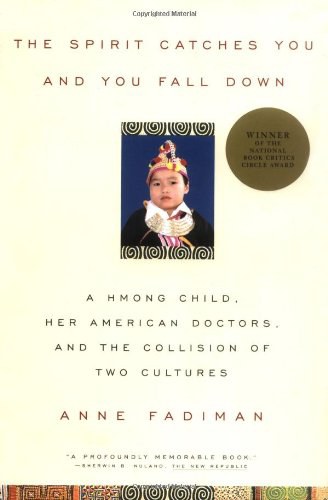
Book
The Spirit Catches You and You Fall down
Douban
Anne Fadiman
publishing house:
Farrar, Straus and Giroux
1998
- 9
Winner of the National Book Critics Circle Award for Nonfiction
When three-month-old Lia Lee Arrived at the county hospital emergency room in Merced, California, a chain of events was set in motion from which neither she nor her parents nor her doctors would ever recover. Lia's parents, Foua and Nao Kao, were part of a large Hmong community in Merced, refugees from the CIA-run "Quiet War" in Laos. The Hmong, traditionally a close-knit and fiercely people, have been less amenable to assimilation than most immigrants, adhering steadfastly to the rituals and beliefs of their ancestors. Lia's pediatricians, Neil Ernst and his wife, Peggy Philip, cleaved just as strongly to another tradition: that of Western medicine. When Lia Lee Entered the American medical system, diagnosed as an epileptic, her story became a tragic case history of cultural miscommunication.
Parents and doctors both wanted the best for Lia, but their ideas about the causes of her illness and its treatment could hardly have been more different. The Hmong see illness aand healing as spiritual matters linked to virtually everything in the universe, while medical community marks a division between body and soul, and concerns itself almost exclusively with the former. Lia's doctors ascribed her seizures to the misfiring of her cerebral neurons; her parents called her illness, qaug dab peg --the spirit catches you and you fall down--and ascribed it to the wandering of her soul. The doctors prescribed anticonvulsants; her parents preferred animal sacrifices.