
读过《The Politics of Compassion》 🌕🌕🌕🌑🌑
来回翻了几次:灾后state的救灾能力确实有限,导致了社会共识破裂,为草根组织的出现和出彩提供了结构性空间,但对于灾难及谁应负责的评估都被限定在一个特定语境,所以各个小志愿群体也无力谈及结构上的问题,只能从个体的角度去理解自己的行动,内含大量当代美国的文化社会学理论,有些用中国案例validate美国理论的写法。国内公益近年有了变化,尽管一般来说,结构上的问题讲的是资源分配,现在有的时候提结构上的问题,有的公益人会讲规模化供给,也是让人无力吐槽,当然依旧可以用同一个理论来解释。
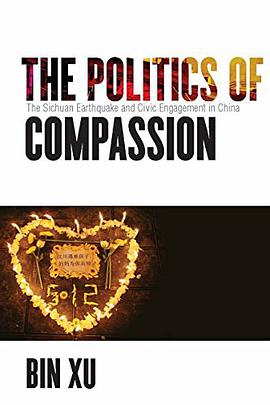
Book
The Politics of Compassion
Douban
Bin Xu
publishing house:
Stanford University Press
2017
- 9
The 2008 Sichuan earthquake killed 87,000 people and left 5 million homeless. In response to the devastation, an unprecedented wave of volunteers and civic associations streamed into Sichuan to offer help. The Politics of Compassion examines how civically engaged citizens acted on the ground, how they understood the meaning of their actions, and how the political climate shaped their actions and understandings.
Using extensive data from interviews, observations, and textual materials, Bin Xu shows that the large-scale civic engagement was not just a natural outpouring of compassion, but also a complex social process, both enabled and constrained by the authoritarian political context. While volunteers expressed their sympathy toward the affected people's suffering, many avoided explicitly talking about the causes of the suffering—particularly in the case of the collapse of thousands of schools. Xu shows that this silence and apathy is explained by a general inability to discuss politically sensitive issues while living in a repressive state. This book is a powerful account of how the widespread death and suffering caused by the earthquake illuminates the moral-political dilemma faced by Chinese citizens and provides a window into the world of civic engagement in contemporary China.