
读过《Socialist Cosmopolitanism》读起来很顺畅,概念花团锦簇,个案中规中矩。不得不说,治全球左翼文学运动史,中国文学研究者跟斯拉夫语文学研究者差了好几个层级。作者选择1950年代中国文学为研究对象,强调中国文学的“世界性”。选用cosmopolitanism而不是internationalism,是希望对国际面向的强调不掩盖这一时段文学同样强烈的国族色彩。世界主义如作者所言,是一种对于异文化的重要性与相关性的理解方式。对于世界的想象是基于中国的视点。因此作者选择1949为起点,也很有道理。相比于左翼文学和延安文艺,建国后的文化交往是一种新的组织方式。“文化外交”是文化交流的新方式,文化交往成为一种官方行为而非个人、社团行为。政府渠道一方面将交往推向此前难以抵达的地方,但同时也将左翼文学的跨国属性,牢牢把控在国族疆界内。
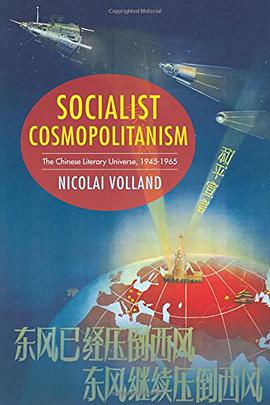
Book
Socialist Cosmopolitanism
Douban
Nicolai Volland
publishing house:
Columbia University Press
2017
- 3
Socialist Cosmopolitanism offers an innovative interpretation of literature from the Mao era, proposing to read Chinese socialist literature as world literature. China after 1949 engaged with the world beyond its borders in myriad ways and on many levels—political and economic, cultural as well as literary. Far from rejecting the worldliness of earlier eras, Nicolai Volland demonstrates, the young People's Republic developed its own cosmopolitanism. Rather than a radical break with the past, Chinese socialist literature should be seen as an integral and important chapter of China's long search to find a place within world literature. Socialist Cosmopolitanism revisits a range of genres, from poetry and land reform novels to science fiction and children's literature, and shows how Chinese writers and readers alike saw their own literary production as part of a much larger literary universe. This literary space, reaching from Beijing to Berlin, from Prague to Pyongyang, from Warsaw to Moscow to Hanoi, allowed authors and texts to travel, in the course reinventing the meaning of world literature. Chinese socialist literature is driven by a hugely ambitious—and ultimately doomed—attempt to redraw the literary world map.