读过《The Proletarian Wave》韩国1910s-1940s左翼文学研究。前三章总述,读来是中规中矩的韩国左翼文学史。不过读的时候一直感觉到与中国现代文学的呼应性,各种角度的相似。
后四章进入代表性文本,分别从组织史、民族主义、女性主义、现代主义角度,强调韩国社会主义思潮内质的复杂性。这也正是全书的主题,The proletarian wave,既然是Wave,就不是一条线,而是汇聚而成的多股浪潮。以韩国为代表的左翼文化,受社会主义思潮、本国国情的曲折变化的影响,呈现出斑驳样态,却又有着态度上的同一性,正是“proletarian wave”的题中之义。
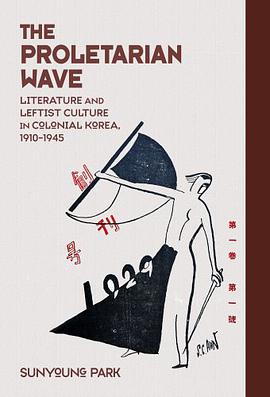
Book
The Proletarian Wave
Douban
Sunyoung Park
publishing house:
Harvard University Asia Center
2015
- 4
Socialist doctrines had an important influence on Korean writers and intellectuals of the early twentieth century. From the 1910s through the 1940s, a veritable wave of anarchist, Marxist, nationalist, and feminist leftist groups swept the cultural scene with differing agendas as well as shared demands for equality and social justice. In The Proletarian Wave, Sunyoung Park reconstructs the complex mosaic of colonial leftist culture by focusing on literature as its most fertile and enduring expression. The book combines a general overview of the literary left with the intellectual portraits of four writers whose works exemplify the stylistic range and colonial inflection of socialist culture in a rapidly modernizing Korea. Bridging Marxist theory and postcolonial studies, Park confronts Western preconceptions about third-world socialist cultures while interrogating modern cultural history from a post–Cold War global perspective.
The Proletarian Wave provides the first historical account in English of the complex interrelations of literature and socialist ideology in colonial Korea. It details the origins, development, and influence of a movement that has shaped twentieth-century Korean politics and aesthetics alike through an analysis that simultaneously engages some of the most debated and pressing issues of literary historiography, Marxist criticism, and postcolonial cultural studies.