
读过 Counterpoint: A Memoir of Bach and Mourning 🌕🌕🌕🌕🌑
放下对“我”的憎恨后终于能往下读了。哀悼原本就是关于自身的,是承认永失吾爱,承认世界无法恢复如前——但只是“我”的世界。哀悼不可能被治愈,有的只是厌倦,退回到日常生活的需要,是再一次暂时忘掉我们最深层的恐惧——死亡。但为什么是巴赫?因为他伟大、永恒,一生不断遭遇丧亲之痛,以音乐构筑宇宙,又承载起无数人的人生?因为作者花费半生逃避,再以剩下的生命去学习和理解,最后呈现于面前的仍然是个陌生的亡魂——正如他的母亲?回忆童年所受的虐待不是为了控诉,细数将母亲困于此生的事件也不可能达成理解。她的孩子们无法为她的痛苦人生负责,但确实是”成为母亲”这件事杀死了那个她本可以成为的人。人不应指望在后代身上“再活一次”,也无法再向亡者索要答案,但在“我”的死亡来临之前,去听巴赫吧,那是值得人为之而活的。
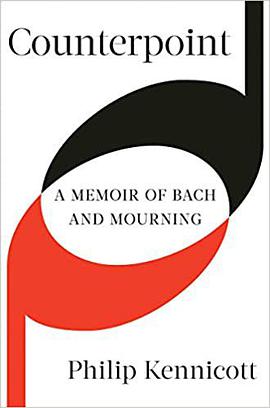
Book
Counterpoint: A Memoir of Bach and Mourning
Douban
Philip Kennicott
publishing house:
W. W. Norton & Company
2020
- 2
As his mother was dying, Philip Kennicott began to listen to the music of Bach obsessively. It was the only music that didn’t seem trivial or irrelevant, and it enabled him to both experience her death and remove himself from it. For him, Bach’s music held the elements of both joy and despair, life and its inevitable end. He spent the next five years trying to learn one of the composer’s greatest keyboard masterpieces, the Goldberg Variations. In Counterpoint, he recounts his efforts to rise to the challenge, and to fight through his grief by coming to terms with his memories of a difficult, complicated childhood.
He describes the joys of mastering some of the piano pieces, the frustrations that plague his understanding of others, the technical challenges they pose, and the surpassing beauty of the melodies, harmonies, and counterpoint that distinguish them. While exploring Bach’s compositions he sketches a cultural history of playing the piano in the twentieth century. And he raises two questions that become increasingly interrelated, not unlike a contrapuntal passage in one of the variations itself: What does it mean to know a piece of music? What does it mean to know another human being?