
读过《America's Assembly Line》 🌕🌕🌕🌕🌑
非常值得推荐。对于工业大生产的剖析非常透,当然,正如书的主题所说,主要围绕福特制和汽车行业展开,我个人感觉其代表性足够了。从历史的角度看,美国式的大规模理性化流水线其实挺短命的──依赖于卖方市场和廉价能源,这两个条件成立的时间可以自己算算。一旦跳出耐用品市场,在消费品领域便竞争不过欧洲、日本以及后来的中国。至于为什么如此,书里还有详细描述。
Book
America's Assembly Line
Douban
David E. Nye
publishing house:
MIT Press
2013
- 2
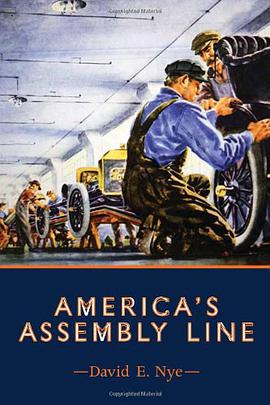
The assembly line was invented in 1913 and has been in continuous operation ever since. It is the most familiar form of mass production. Both praised as a boon to workers and condemned for exploiting them, it has been celebrated and satirized. (We can still picture Chaplin's little tramp trying to keep up with a factory conveyor belt.) In America's Assembly Line, David Nye examines the industrial innovation that made the United States productive and wealthy in the twentieth century. The assembly line -- developed at the Ford Motor Company in 1913 for the mass production of Model Ts -- first created and then served an expanding mass market. It inspired fiction, paintings, photographs, comedy, cafeteria layouts, and cookie-cutter suburban housing. It also transformed industrial labor and provoked strikes and union drives. During World War II and the Cold War, it was often seen as a bastion of liberty and capitalism. By 1980, Japan had reinvented the assembly line as a system of "lean manufacturing"; American industry reluctantly adopted this new approach. Nye describes this evolution and the new global landscape of increasingly automated factories, with fewer industrial jobs in America and questionable working conditions in developing countries. A century after Ford's pioneering innovation, the assembly line continues to evolve toward more sustainable manufacturing.