
读过《How to Avoid a Climate Disaster》 🌕🌕🌑🌑🌑
#audiobook 读书小组10月份选书。比尔盖茨关于全球变暖以及如何减少碳排放而著。首先因为我个人不认为解决碳排放是个迫在眉睫的问题,而无法感受这本书的好以及相应的解决方案,我等p民毫无共情。再有感觉盖茨真的是没受过写论文的苦,一点不知道字数限制的痛苦,经常长篇大论的废话,好几页纸只为一个浅显易懂的道理。再加上他理科生的逻辑思维方式,听完全本居然觉得减碳到零排放是毫无希望。还有目标受众非常模糊,一时是给青少年上课的姿态,一时又是和各种政要讨论policy的高姿态。唯一稍觉有趣的是写到一些普通物理化学的知识点,比如如何炼钢和制造水泥。有声书来说讲述的非常好,生动活泼,以一己之力让我给有声书打了3🌟。本书时长7时11分。2021年度听书78时29分
Book
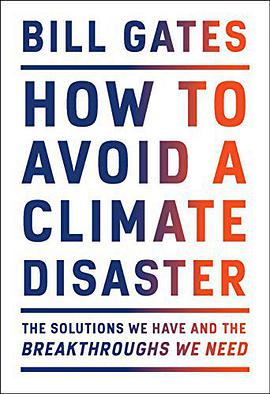
How to Avoid a Climate Disaster
DoubanIn this urgent, authoritative book, Bill Gates sets out a wide-ranging, practical--and accessible--plan for how the world can get to zero greenhouse gas emissions in time to avoid a climate catastrophe.
Bill Gates has spent a decade investigating the causes and effects of climate change. With the help of experts in the fields of physics, chemistry, biology, engineering, political science, and finance, he has focused on what must be done in order to stop the planet's slide toward certain environmental disaster. In this book, he not only explains why we need to work toward net-zero emissions of greenhouse gases, but also details what we need to do to achieve this profoundly important goal.
He gives us a clear-eyed description of the challenges we face. Drawing on his understanding of innovation and what it takes to get new ideas into the market, he describes the areas in which technology is already helping to reduce emissions, where and how the current technology can be made to function more effectively, where breakthrough technologies are needed, and who is working on these essential innovations. Finally, he lays out a concrete, practical plan for achieving the goal of zero emissions--suggesting not only policies that governments should adopt, but what we as individuals can do to keep our government, our employers, and ourselves accountable in this crucial enterprise.
As Bill Gates makes clear, achieving zero emissions will not be simple or easy to do, but if we follow the plan he sets out here, it is a goal firmly within our reach.