读过《Why Buddhism is True》 🌕🌕🌕🌗🌑
【2022年已读038】写得啰里啰嗦的,而且西方人谈以“正念”思想来指导生活的书已经够多了,不缺这一本。真对这些内容感兴趣,不如直接诵读佛经和参考当代高僧大德们的说法,比西方作者们故作姿态地对佛教信仰中的超自然内容避之不谈以显示自己的“科学性”强多了也令人感觉亲切多了。但本书仍然有个优点,就是它以多数人能接受的方式涉及了“无我”这一通常会令西方人闻之色变(真的是闻之色变,我的亲身经历;它似乎对个人至上的西方人会造成存在性的巨大冲击)的大乘佛法核心概念。
【2017/12/13想读】今天被一个病人在团体治疗中机关枪般地向我责问了好几分钟为什么医院里要讲来自佛教理念的mindfulness后摔门而去,根本让我插不进话,简直目瞪口呆。然后一个经历过类似场面的治疗师在安慰我过后给我推荐了这本书,说里面有不少实证内容。
#沁云的书影音短评
Book
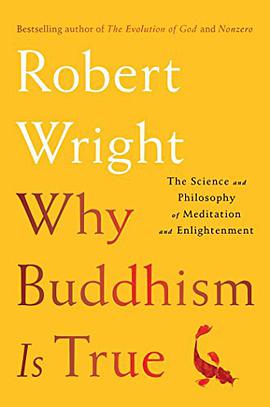
Why Buddhism is True
Douban Open LibraryWhy Buddhism is True: The Science and Philosophy of Meditation and Enlightenment is a 2017 book by journalist and evolutionary psychologist Robert Wright. As of August 2017, the book had peaked at The New York Times No. 4 bestseller in hardcover nonfiction.
In Why Buddhism is True, Wright advocates a secular, Westernized form of Buddhism focusing on the practice of mindfulness meditation and stripped of supernatural beliefs such as reincarnation. He further argues that more widespread practice of meditation could lead to a more reflective and empathetic population and reduce political tribalism. In line with his background, Wright draws heavily on evolutionary biology and evolutionary psychology to defend the correctness of Buddhism's diagnosis of the causes of human suffering. He argues the modern psychological idea of the modularity of mind resonates with the Buddhist teaching of no-self (anatman).