
读过《Tintin》 🌕🌕🌕🌕🌕
跟之前那本Pierre Assouline写的同一题材的书恰好相反,这本书开宗明义就表态没有得到埃尔热基金会任何协助,所以在一些比较关键的环节作者的论述完全不同。这两本书各有各的好处,一起服用效果最佳。让我想起《围城》里方和赵从两个维度恭维汪太太的画。不过我感觉最大的区别在于,Pierre的书有点儿像命题作文,而Harry是真的丁迷饱含着热情在研究。所以读者可能要对漫画有一定的熟悉程度才能知道作者在说什么,而且因为没有接触到一些档案资料,不免有些臆断和爱屋及乌式的辩护。但是看这本书的时候我又想,难道Pierre根据冷冰冰的资料推断出来的事情就是事实么,尤其是一些Hergé做重大选择背后的原因,也许恰恰是掌握了大量的资料才造成了最大的误读。
Book
Tintin
Douban
Harry Thompson
publishing house:
Hodder & Stoughton General Division
1991
- 1
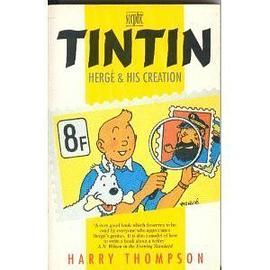
Tintin, the young reporter, has become a worldwide cartoon phenomenon, rivalled only by Asterix, a cult with a following among adults and children alike. How did this apparently simple character gain such a hold? What is the secret of his appeal? And what was his shadowy creator - Georges Remi, "Herge", really like? Harry Thompson, a lifelong Tintin fan, has written a dual biography. On the one hand he charts Tintin's progress from a doodle on a school exercise book during World War I to the young reporter used first for propaganda, then for political satire under the guise of adventure stories, into character comedy and even on to the moon, well ahead of real-life astronauts. And on the other he tells of a strongly moral man, the researcher and perfectionist, who turned himself into a great artist through sheer effort and travelled the world, escaping from the boredom of a desk-job in Brussels. He examines accusations against Remi of collaboration during the last war, his wariness in relationships, and his loss of creativity.