读过《Tintin and the Secret of Literature》 🌕🌕🌑🌑🌑
过度解读的范本,不过不管什么作品只要脱离了作者的手给别人看了解释权就等于完全交出去了。好在这本书还只是“过度`",还差一点儿没到糟改的程度,也就是一些红学家解读红楼梦那种水平吧。里面有两个地方还是挺有意思的,一个是Hergé父亲的身世和船长祖先的身世以及马林斯派克大厅门楣上面的装饰的联系,还有一个是结尾处对于Hergé遗孀及其所代表的版权方发的小小牢骚。其余绝大部分除了用作者的语言描述了一下漫画中发生的场景之外几乎难以卒读,除了掉书袋(其实也并没有掉太多)就是作者所谓的深层分析丁丁历险记背后的密码之类,语言晦涩不知所云,感觉作者自己也不是很清楚自己想要表达什么吧。
Book
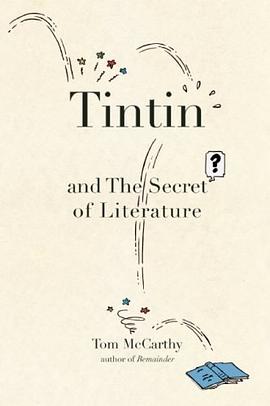
Tintin and the Secret of Literature
DoubanArguing that the Tintin books' characters are as strong and their plots as complex as any dreamed up by the great novelists, Tom McCarthy asks a simple question: Is Tintin literature? Taking a cue from Tintin himself who spends much of his time tracking down illicit radio signals, entering crypts, and decoding puzzles McCarthy suggests that we too need to tune in” and decode if we want to capture what's going on in Hergé's extraordinarily popular work. What emerges from McCarthy's examination of Tintin is a remarkable story of illegitimacy and deceit, in both Hergé's work and his own family history. McCarthy's irresistibly clever, tightly constructed book shows how the themes Tintin generates expulsion from home, violation of the sacred, the host-guest relationship turned sour, and anxieties around questions of forgery and fakes are the same that have fueled and troubled writers from the classical era to the present day.