The Modern Mercenary
Douban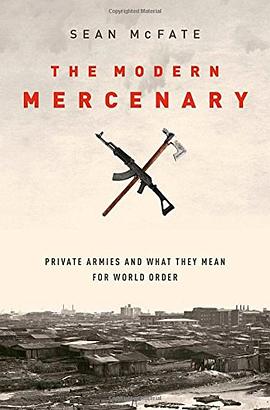
Private Armies and What They Mean for World Order
Sean McFate
Übersicht
Private military security contractors such as Academi (formerly known as Blackwater) receive plenty of publicity (mostly negative), yet “for nearly a decade, contractors have constituted half the United States forces in war zones.” PMSCs are the wave of the future, argues McFate, a former paratrooper and an associate professor at the National Defense University, in this thoughtful examination of mercenary armed forces. Mercenaries constituted the core of most fighting forces throughout history, until strong, centralized states appeared around 400 years ago and monopolized the use of force; but this exclusivity has dwindled since the 1990s, reviving what McFate calls “neomedievalism.” He gives most credit to the triumph of free-market, small-government capitalism. America now fights wars without conscription, resulting in a critical shortage of soldiers and requiring profit-making contractors to deliver essential services.
Inhalt
1. Peace Through Profit Motive?
2. Understanding the Market for Force
3. A Growing Dependency
4. How Did We Get Here?
5. Why Private Armies Have Returned
6. The Murky Side of Private Force
7. The Modern World Order: A Brief History
8. Neomedievalism
9. Neomedieval Warfare
10. Liberia: Building Better Armies
11. Somalia: A Neomedieval Tale
12. Medieval Modernity
Glossary
Annexes
Annex A: IDIQ Contract (S-LMAQM-03-00034)
Annex B: Contract Amendment (raises contract ceiling)
Annex C: Liberia Military Program Timeline