Beyond Good & Evil
Google Books Douban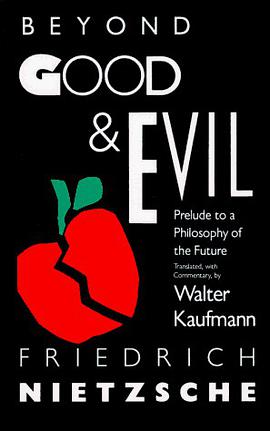
Prelude to a Philosophy of the Future
Friedrich Wilhelm Nietzsche Walter Kaufmann
Sinossi
Nietzsche proposes in "Beyond Good and Evil" a system of inquiry and analysis known by the phrase 'history as critique.' This straightforward manner of investigation leads Nietzsche to question all of culture's most venerated conventions: science, religion, politics, decency and linguistic stock. He begins this process by overriding tradition when he says "only that which has no history can be defined." An explanation of virtue, for example, can only be written when the defintion eludes all possible requisites of custom and habit. We cannot properly administer the philosophical aspects of morality except through divine direction, suspicion, or an unexamined dependence on tradition. Because of this, Nietzsche calls to question the foundational premise that it is best for human beings to seek the truth. How do we know that mendacity isn't better? What is truth, anyway? He disputes the intention of the traditional esoteric venture. He unburdens all sources of cultural incontestability and claims to fixed truth which empties them of their value: "...we modern men, like semi-barbarians...reach 'our' bliss only when we are most in danger." Since we are in a process of perpetual adaptation we cannot be defined by any indigenous quality. Instead of adopting a class consciousness for purposes of easy identification Nietzsche asks that we establish an amplified sense of responsibility to our own luxurious creativity. He declares there is a higher calling: an unassisted life of intense but private joy, anguish, fortitude, perception, and constructive preparation.