The Poetics of Mind
Douban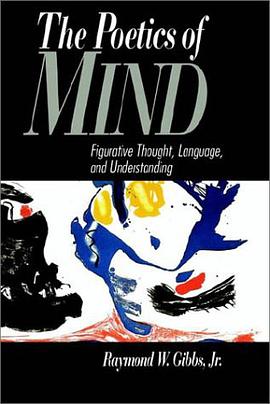
Figurative Thought, Language, and Understanding
Raymond W. Gibbs Jr
résumé
In this bold new work, Ray Gibbs demonstrates that human cognition is deeply poetic and that figurative imagination constitutes the way we understand ourselves and the world in which we live. The traditional view of the mind holds that thought and language are inherently literal and that poetic language is a special human ability requiring different cognitive and linguistic skills than employed in ordinary language. This view has imposed serious limitations on the scholarly study of mental life and on everyday folk conceptions of human experience. Poetics of Mind overturns the traditional perspective by showing how figurative aspects of language reveal the poetic structure of mind. Ideas and research from psychology, linguistics, philosophy, anthropology, and literary theory are used to establish important links between the poetic structure of thought and everyday use of language. Particular use is made of the extensive research that has accumulated in experimental psycholinguistics and cognitive linguistics over the past 15 years. Poetics of Mind evaluates current philosophical, linguistic, and literary theories of figurative language, using tools provided by psycholinguistic and cognitive psychology research. It relates the empirical work on figurative language understanding to broader issues concerning the nature of everyday thought and reasoning. As such, it will be of crucial interest to students and researchers in psychology, cognitive science, and linguistics.
contenus
1. Introduction and Overview
2. Thinking and Speaking Literally
3. Figurative Language Understanding: A Special Process?
4. Metaphor in Language and Thought
5. Understanding Metaphorical Expressions
6. Idiomaticity
7. Metonymy
8. Irony
9. The Poetic Minds of Children
10. Implications and Future Directions