Space Odyssey: Stanley Kubrick, Arthur C. Clarke, and the Making of a Masterpiece
Goodreads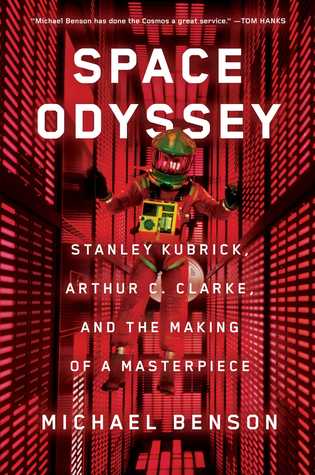
Michael Benson
Sinossi
Celebrating the fiftieth anniversary of the film’s release, this is the definitive story of the making of
, acclaimed today as one of the greatest films ever made, including the inside account of how director Stanley Kubrick and writer Arthur C. Clarke created this cinematic masterpiece.
Regarded as a masterpiece today,
received mixed reviews on its 1968 release. Despite the success of
, director Stanley Kubrick wasn’t yet recognized as a great filmmaker, and
was radically innovative, with little dialogue and no strong central character. Although some leading critics slammed the film as incomprehensible and self-indulgent, the public lined up to see it.
’s resounding commercial success launched the genre of big-budget science fiction spectaculars. Such directors as George Lucas, Steven Spielberg, Ridley Scott, and James Cameron have acknowledged its profound influence.
Author Michael Benson explains how
was made, telling the story primarily through the two people most responsible for the film, Kubrick and science fiction legend Arthur C. Clarke. Benson interviewed Clarke many times, and has also spoken at length with Kubrick’s widow, Christiane; with visual effects supervisor Doug Trumbull; with Dan Richter, who played
’s leading man-ape; and many others.
A colorful nonfiction narrative packed with memorable characters and remarkable incidents,
provides a 360-degree view of this extraordinary work, tracking the film from Kubrick and Clarke’s first meeting in New York in 1964 through its UK production from 1965-1968, during which some of the most complex sets ever made were merged with visual effects so innovative that they scarcely seem dated today. A concluding chapter examines the film’s legacy as it grew into it current justifiably exalted status.