The Lost Generation
Google Books Google Books Douban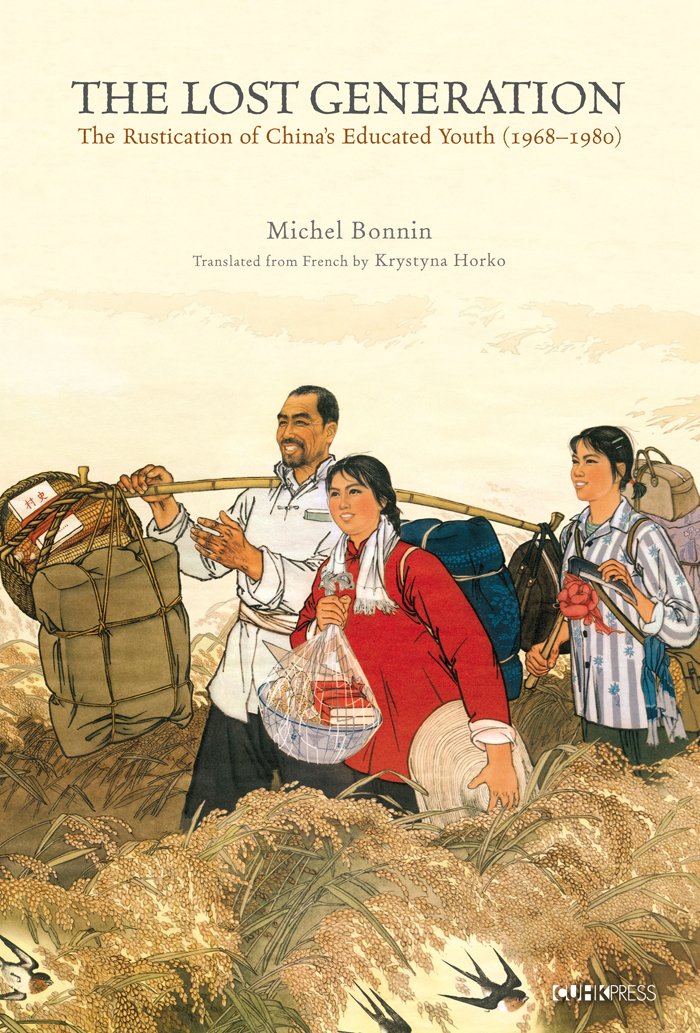
The Rustication of China’s Educated Youth (1968–1980)
Michel Bonnin Krystyna Horko
Overview
The Lost Generation is a vital component to understanding Maoism. The book provides a comprehensive account of the critical movement during which seventeen million young "educated" city-dwellers were supposed to transform themselves into peasants, potentially for life. Bonnin closely examines the Chinese leadership's motivations and the methods that they used over time to implement their objectives, as well as the day-to-day lives of those young people in the countryside, their difficulties, their doubts, their resistance and, ultimately, their revolt. The author draws on a rich and diverse array of sources, concluding with a comprehensive assessment of the movement that shaped an entire generation, including a majority of today’s cultural, economic, and political elite.
*Chosen as one of the "Choice Outstanding Academic Title, 2014"
contents
Preface.................................................................................................................xiii
Introduction ........................................................................................................xvii
Illustrations ..........................................................................................................xli
PART ONE MOTIVATIONS
Chapter 1. Ideological Motives ...........................................................................3
Training Successors to the Revolution .............................................................3
Reeducating Young Intellectuals ......................................................................7
Reducing the “Three Great Differences” ........................................................13
Chapter 2. Political Motivations ........................................................................19
Reining in the Red Guards ..............................................................................19
Reinforcing Mao’s “Charismatic” Power .........................................................22
Chapter 3. Socioeconomic Motives ...................................................................25
A Positive Motive:
Developing the Countryside and the Border Regions ....................................25
A Negative Motive:
The Solution to Urban Unemployment and Overpopulation ...........................32
PART TWO THE LIFE AND DEATH OF THE XIAXIANG
MOVEMENT: POLICY CHANGES
Chapter 4. The Managers and the Ideologue: The Prelude and
Interlude of the Cultural Revolution (1955–1966) .......................49
Modest Beginnings .........................................................................................51
Acceleration after the Failure of the Great Leap Forward ..............................53
Institutionalization and Long-term Planning...................................................56
Contradictions and Reluctance .......................................................................60
The Cultural Revolution:
An End to Departures and Spontaneous Returns ............................................63
Chapter 5. The Mass Movement (1968–1976) ..................................................65
A Vigorous Start (1968–1969) .........................................................................65
Transforming the Red Guards into Educated Youths ..........................65
Massive Mobilization ...........................................................................70
Those Who Left and Those Who Stayed Behind .................................74
High on Fervor, Low on Organization .................................................78
The Lowest Ebb (1970–1972) ..........................................................................81
Reform and Relaunch of the Movement (1973–1976) .....................................88
Li Qinglin’s Letter and the National Conference .................................88
From Romanticism to Realism:
The Zhuzhou Model and Improvements in Living Conditions ............93
Xiaxiang and the Two-line Struggle:
From Blank Exam Papers to Going through the Back Door .............101
Models Who Had Taken Root ............................................................107
Educated Youth in the Fight for Succession.......................................114
Mao’s Last Directive ..........................................................................118
Chapter 6. Irresistible Agony (1977–1980) .....................................................123
1977: Hua Guofeng’s Vain Desire to Continue ..............................................123
1978: From Uncertainty to a Limited Reassertion of the Policy ...................127
The End 1978 to the End 1979:
Popular Resistance and Government Obstinacy ............................................139
A Ferment of Protest ..........................................................................140
The Big Xishuangbanna Strike and the “Return Wind” ....................144
Tension and Conflict in Shanghai and Elsewhere ..............................149
Government Strategy in 1979.............................................................154
Implementation at the provincial level and reassertion of
the policy defined at the national conference ...............................154
Political, administrative and police strategy in response to
various forms of social resistance.................................................158
Re-launch of “down-to-the countryside” propaganda .................161
1980: The End ................................................................................................170
Returns and Employment Problems (1979–1980) .........................................178
The Return of Examinations:
A Saving Grace for Some Zhiqing ................................................................184
Chapter 7. The Shadow of Xiaxiang in the 1980s ..........................................187
Disappearance of the “Zhiqing Bureau” and
Closure of Accounts .......................................................................................188
Keeping the “Little Fish Abandoned on the Shore” in Place ........................191
A Special Case: The Shanghai Zhiqing in Xinjiang ..........................192
Placing Zhiqing Married to Peasants and Sick Zhiqing ...................203
The Case of Zhiqing Who Obtained Nonagricultural
Work in the Countryside ...................................................................204
A New Rustication Campaign? .....................................................................206
The Seniority Issue ........................................................................................210
PART THREE FIRSTHAND EXPERIENCE
Chapter 8. The Conditions of Departure: “Voluntary” Deportation ..........215
Mobilization ..................................................................................................216
Destinations ..................................................................................................224
Departure Songs and Laments .......................................................................229
Chapter 9. Material Difficulties and Low Morale .........................................235
Difficulties in Adapting to Rural Conditions .................................................236
The First Shock: Discovering the Backwardness...............................236
The Main Problems ............................................................................238
Housing and living environment ...................................................238
Work, income, and food ...............................................................248
Sickness and accidents ..................................................................257
Leisure and cultural life ................................................................261
Difficulties Fitting into the Rural Community ..............................................265
The Main Obstacles ...........................................................................265
Obstacles to being accepted by the peasants ................................265
Obstacles to the zhiqing wanting long-term integration ..............271
A second surprise: discovering the peasant mentality .................275
Relations between the Zhiqing and the Receiving Communities ......279
Relationship based on realism ......................................................279
A limited reciprocal influence .......................................................283
Poor integration ............................................................................287
Problems of Social Status and Group Identity ...............................................291
Demoted and Displaced .....................................................................291
Defenseless .........................................................................................295
Solidarity and Competition ................................................................303
Problems with Individual Prospects and Self-fulfillment.............................307
Ruined Projects .................................................................................307
A Rural Future? .................................................................................309
Means of Returning ...........................................................................312
The Marriage Issue ............................................................................319
PART FOUR SOCIAL RESISTANCE
Chapter 10. The Social Control System ..........................................................329
Chapter 11. Passive Resistance and Its Effects ..............................................337
Deviancy, Delinquency, and Parallel Culture ...............................................338
Negative Attitudes and Deviant Behavior ..........................................338
Underground Literature .....................................................................344
Schmaltzy Music as a Political Crime ...............................................349
Political Deviancy ..............................................................................354
The Stampede Home and Its Consequences ..................................................356
Strategies for Returning Legally ........................................................356
Tricks and intrigues .......................................................................356
Extended celibacy, divorce, and marriage motivated
by self-interest ...............................................................................365
Hit and Run ........................................................................................370
Illegal return to the city.................................................................370
Defecting abroad ...........................................................................374
Chapter 12. Open Resistance ...........................................................................387
End-of-reign Tremors ....................................................................................387
1978–1979: A Trial of Strength between the Government and Society ........392
PART FIVE ASSESSMENT OF THE XIAXIANG “MOVEMENT”
IN HISTORY
Chapter 13. Socioeconomic Assessment .........................................................401
Diverting away from the Cities .....................................................................401
Xiaxiang and Urban Employment ......................................................401
The Influence of Xiaxiang on Urban Growth ...................................408
Xiaxiang and Delinquency .................................................................411
Rural Development and the Closing of the Urban-Rural Gap .......................413
Xiaxiang and Development ................................................................413
Reducing the Urban-Rural Gap..........................................................417
Chapter 14. Political and Ideological Assessment .........................................421
Xiaxiang’s Political Stakes ............................................................................421
The Ideological Objectives ............................................................................423
Selection by Virtue .............................................................................424
Transforming Zhiqing into “New-type Peasants” ..............................427
Training “Revolutionary Successors” or Remodeling Youth .............429
Conclusion .........................................................................................................441
Economic Program or Political Movement? ..................................................441
International Influence ...................................................................................445
Xiaxiang and the Limits of Totalitarian Power ............................................451
Death of Utopia and the Rebirth of Society ..................................................453
Glossary ..............................................................................................................457
Bibliography ........................................................................................................467
Index of Places ....................................................................................................499
Index of Persons ..................................................................................................505
Thematic Index ..................................................................................................509