Across Forest, Steppe, and Mountain
Douban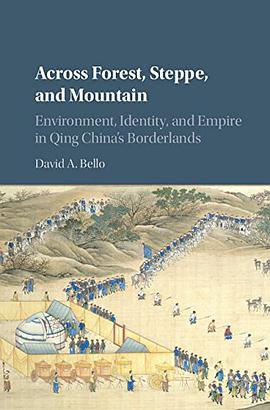
Environment, Identity, and Empire in Qing China's Borderlands
David A. Bello
Sinossi
In this book, David Bello offers a new and radical interpretation of how China's last dynasty, the Qing (1644–1911), relied on the interrelationship between ecology and ethnicity to incorporate the country's far-flung borderlands into the dynasty's expanding empire. The dynasty tried to manage the sustainable survival and compatibility of discrete borderland ethnic regimes in Manchuria, Inner Mongolia, and Yunnan within a corporatist 'Han Chinese' imperial political order. This unprecedented imperial unification resulted in the great human and ecological diversity that exists today. Using natural science literature in conjunction with under-utilized and new sources in the Manchu language, Bello demonstrates how Qing expansion and consolidation of empire was dependent on a precise and intense manipulation of regional environmental relationships.
Combines under-utilized and new sources in the Manchu language with natural science literature
Complements a general professional and publishing trend in environmental history relating both to China and to global history of the early modern period
Offers a new, radical interpretation of how China's last dynasty relied on the interrelationship between ecology and ethnicity to incorporate China's borderlands into its expanding empire
contenuti
Introduction
1. Qing fields in theory and practice
2. The nature of imperial foraging in the SAH basin
3. The nature of imperial pastoralism in southern Inner Mongolia
4. The nature of imperial indigenism in southwestern Yunnan
5. Borderland Hanspace in the nineteenth century
6. Qing environmentality.