The Decadent Reader: Fiction, Fantasy, and Perversion from Fin-de-Siècle France
Goodreads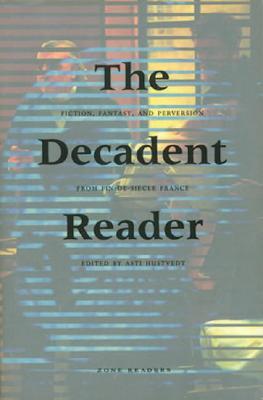
Jules Barbey d'Aurevilly / Joris-Karl Huysmans …
résumé
In France at the end of the nineteenth century, progress and material prosperity coincided with widespread alarm about disease and decay. The obsessions of our own culture as the twentieth century came to a close resonate strikingly with those of the last fin-de-siecle: crime, pollution, sexually transmitted diseases, gender confusion, moral depravity, alcoholism, and tobacco and drug use were topics of popular discussion then as now.The Decadent Reader is a collection of novels and stories from fin-de-siecle France that celebrate decline, aestheticize decay, and take pleasure in perversity. By embracing the marginal, the unhealthy, and the deviant, the decadent writers attacked bourgeois life, which they perceived to be the chief enemy of art. Barbey d'Aurevilly, Joris-Karl Huysmans, Jean Lorrain, Guy de Maupassant, Villiers de l'Isle-Adam, Catulle Mendes, Rachilde, Jean Moreas, Octave Mirbeau, Josephin Peladan, and Remy de Gourmont looted the riches of their culture for their own purposes. In an age of medicine, they borrowed its occult mysteries rather than its positivism. From its social Darwinism, they found their monsters: sadists, murderers, transvestites, fetishists, prostitutes, nymphomaniacs, and hysterics. And they reveled in them, completely upending the conventions of romance and sentimentality. The Decadent Reader, which includes critical essays on all of the authors, many novels and stories that have never before appeared in English, and familiar works set in a new context, offers a compelling portrait of fin-de-siecle France.