Empire’s Garden
Douban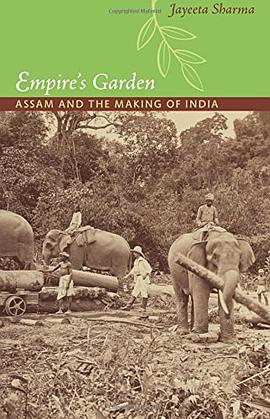
Assam and the Making of India
Jayeeta Sharma
overblik
In the mid-nineteenth century, the British created a region of tea plantations in the north-eastern Indian region of Assam. The tea industry filled the imperial coffers and offered the colonial state a chance to transform a jungle-laden frontier into a cultivated system of plantations. Claiming that local peasants were indolent, the British soon began importing indentured labour from Central India. In the twentieth century, these migrants were joined by others who came voluntarily to seek their livelihoods. In Empire's Garden, Jayeeta Sharma explains how the settlement of more than one million migrants in Assam irrevocably changed the region's social landscape. She argues that the racialized construction of the tea labourer catalyzed a process in which Assam's gentry sought to insert their homeland into an imagined Indo-Aryan community and a modern Indian political space. Various linguistic and racial claims allowed these elites to defend their own modernity while pushing the burden of primitiveness onto "non-Aryan" indigenous tribals or migrant labourers. As vernacular print arenas emerged in Assam, so did competing claims to history, nationalism, and progress that continue to reverberate in the present.