Can We Be Wrong? The Problem of Textual Evidence in a Time of Data
Douban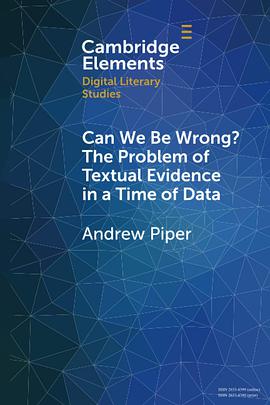
Andrew Piper
sinopsis
This Element tackles the problem of generalization with respect to text-based evidence in the field of literary studies. When working with texts, how can we move, reliably and credibly, from individual observations to more general beliefs about the world? The onset of computational methods has highlighted major shortcomings of traditional approaches to texts when it comes to working with small samples of evidence. This Element combines a machine learning-based approach to detect the prevalence and nature of generalization across tens of thousands of sentences from different disciplines alongside a robust discussion of potential solutions to the problem of the generalizability of textual evidence. It exemplifies the way mixed methods can be used in complementary fashion to develop nuanced, evidence-based arguments about complex disciplinary issues in a data-driven research environment.
contenidos
Introduction, or What's Wrong with Literary Studies?
Part I. Theory:
1. Probable Cause
Part II. Evidence Eve Kraicer, Nicholas King, Emma Ebowe, Matthew Hunter, Victoria Svaikovsky, and Sunyam Bagga
2. Machine Learning as a Collaborative Process
3. Results
Part III. Discussion:
4. Don't Generalize (from Case Studies): The Case for Open Generalization
5. Don't Generalize (At All): The Case for the Open Mind
Conclusion: On the Mutuality of Method.