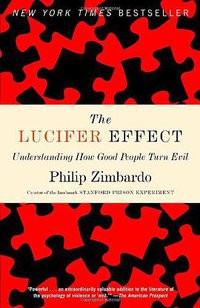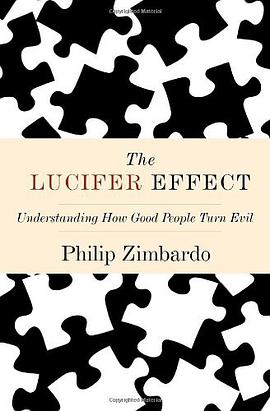
Understanding How Good People Turn Evil
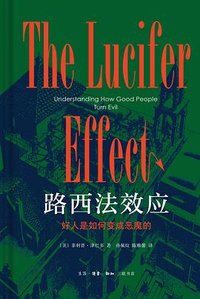
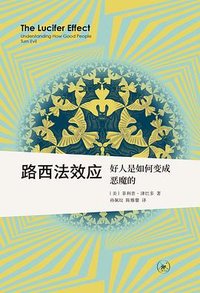
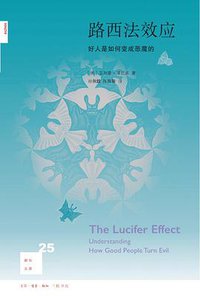
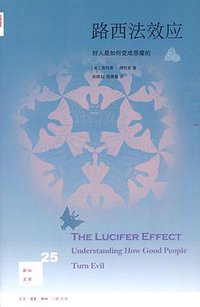
The Lucifer Effect: Understanding How Good People Turn Evil
Philip Zimbardo / Philip G. Zimbardo
overblik
Renowned social psychologist and creator of the "Stanford Prison Experiment," Philip Zimbardo explores the mechanisms that make good people do bad things, how moral people can be seduced into acting immorally, and what this says about the line separating good from evil.
explains how—and the myriad reasons why—we are all susceptible to the lure of “the dark side.” Drawing on examples from history as well as his own trailblazing research, Zimbardo details how situational forces and group dynamics can work in concert to make monsters out of decent men and women.
Here, for the first time and in detail, Zimbardo tells the full story of the Stanford Prison Experiment, the landmark study in which a group of college-student volunteers was randomly divided into “guards” and “inmates” and then placed in a mock prison environment. Within a week, the study was abandoned, as ordinary college students were transformed into either brutal, sadistic guards or emotionally broken prisoners.
By illuminating the psychological causes behind such disturbing metamorphoses, Zimbardo enables us to better understand a variety of harrowing phenomena, from corporate malfeasance to organized genocide to how once upstanding American soldiers came to abuse and torture Iraqi detainees in Abu Ghraib. He replaces the long-held notion of the “bad apple” with that of the “bad barrel”—the idea that the social setting and the system contaminate the individual, rather than the other way around.