Stepan Shahaida — Actor (3)

Movie

Karmelyuk (1931)
Кармелюк WikiData IMDb TMDB
other title: Кармелюк
About the uprising of Ukrainian peasants under the leadership of the national hero Karmelyuk against landowners and Polish gentry. In the 1830s, Young Count Piglovsky returns to his estate from Paris. The carriage in which he is riding is surrounded by rebellious peasants. Their attempt to hang the master is canceled almost at the last moment, because it is not the count in the carriage, but his lackey - Ustym Karmelyuk. Ustym really serves as a lackey in the count's house and at the same time leads a peasant uprising. The government sends the army. In a fierce fight, Karmelyuk is almost captured, but he is saved by one of the serfs.

Movie

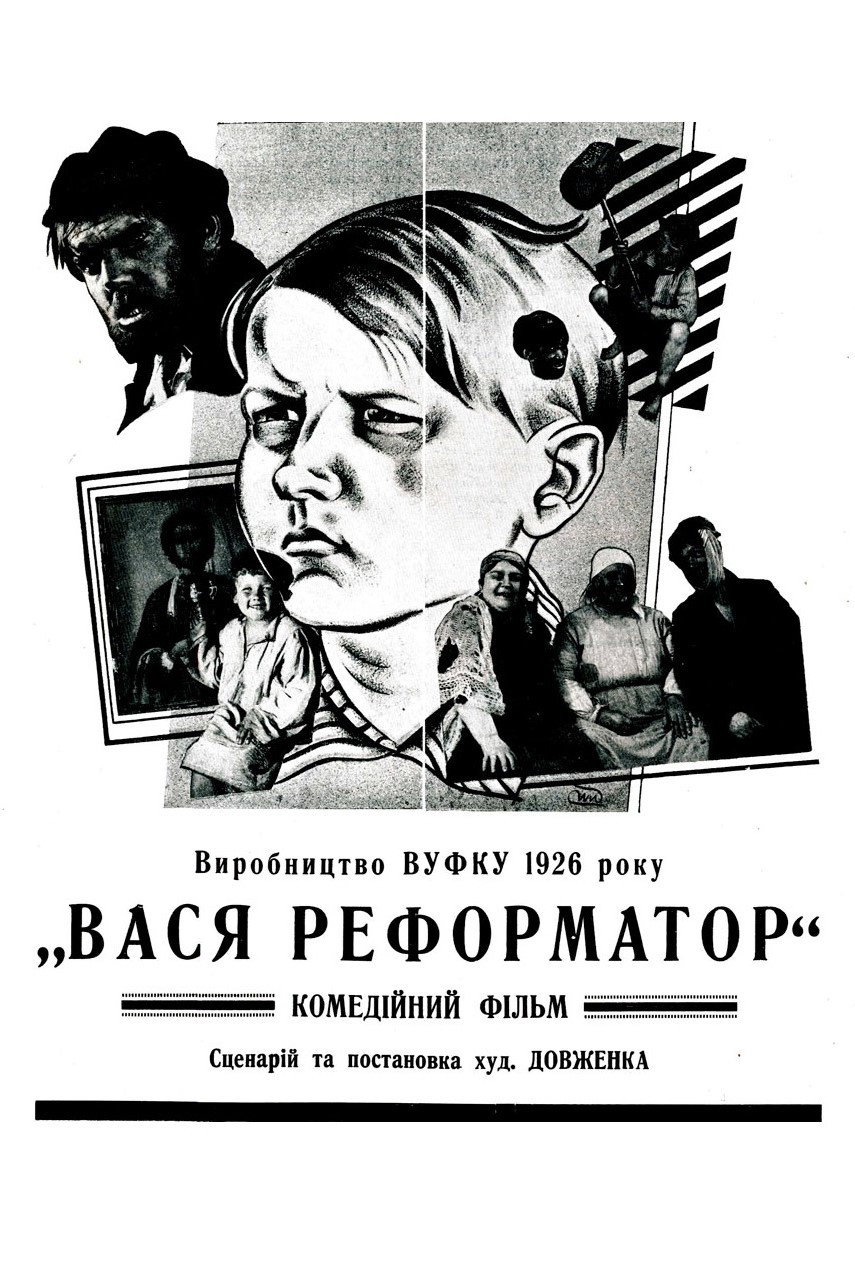
Vasya, the Reformer (1926)
Вася-реформатор WikiData IMDb TMDB
other title: Вася-реформатор / Wanja der Reformator
Lost film directed by Oleksandr Dovzhenko (his first film) and Favst Lopatynskyi. It is a satire of the NEP period. Vasia, the son of a factory’s worker, is attracted by the romance of adventures. And he goes to look for them. He saves a drowning drunkard who tries to beat him. Vasia escapes from him in a vehicle parked on the shore. However, the vehicle belongs to a superintendent who, when he does not find it, stages its theft. Meanwhile, Vasia exposes priests in the church. As a result, the church is turned into a cinema, and the priest becomes a cinema technician. And finally, Vasia’s last deed is catching a criminal at home and denouncing him to the militia.

Movie

Ivan (1932)
Иван WikiData IMDb TMDB Douban
other title: 伊万 / Иван …
Alexander Dovzhenko’s first sound film, revolving around the construction of a giant dam on the Dnieper River, is one of his greatest, though it was poorly received in the Soviet Union when it came out in 1932. It’s only one of the eccentricities of this lyrical and monumental feature that the title refers to three different characters, and it’s telling that the father of one of them, an illiterate peasant who proudly spends his time fishing and loafing while everyone else works, is treated with considerable warmth. (A sequence in which he’s frightened when addressed by an outdoor loudspeaker evokes Chaplin as well as Tati.) As in all of Dovzhenko’s best work, the style veers closer to lyrical poetry (its opening sequence about the river) and portraiture (a later segment introducing us to various workers) than to narrative, though it’s innovative in other respects as well: the final sequence includes some striking jump cuts almost 30 years before Jean-Luc Godard purportedly invented them in Breathless.