Shōhei Imamura — Actor (8)
Movie
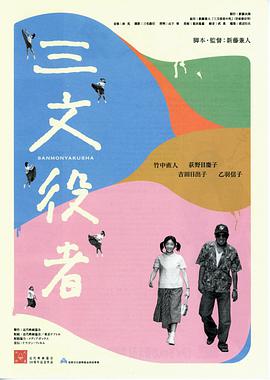
Sanmoplayer (2000)
三文役者 WikiData IMDb TMDB Douban
other title:
配角演员
/
三文役者
…
The film is a series of vignettes from Taiji Tonoyama's life and film clips, interspersed with a dialogue to camera by Nobuko Otowa, addressing the camera as if she is addressing Tonoyama himself, recollecting events in his life. The film focuses on Tonoyama's alcohol dependence and his various sexual relationships, as well as his film work with Shindo.
Movie
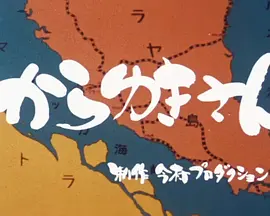
Karayuki-san, the Making of a Prostitute (1975)
からゆきさん WikiData IMDb TMDB Douban
other title:
南洋姐
/
からゆきさん
…
Karayuki-san, the Making of a Prostitute is a 1975 Japanese film by director Shohei Imamura. It is a documentary on one of the Japanese "karayuki-san," who were women that were taken from their homes in Japan and used as prostitutes in the post-war period. Many of these women were told that they were doing this to support their families because of the extreme poverty that the war left much of Japan to live in. Imamura focuses on a particular such woman who was sent to Malaysia and never returned to Japan. Joan Mellen, in The Waves at Genji's Door, called this film, "Perhaps the most brilliant and feeling of Imamura's fine documentaries."

Movie
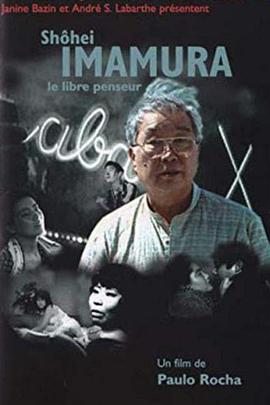
Shohei Imamura: The Freethinker (1995)
Shohei Imamura - Le libre penseur IMDb TMDB Douban
Paulo Rocha
actor:
今村昌平
other title:
今村昌平,自由的思想家
/
Shohei Imamura - Le libre penseur
…
Documentary about Japanese film director Shohei Imamura.

Movie
A Man Vanishes (1967)
人間蒸発 WikiData IMDb TMDB Douban
other title:
人间蒸发
/
人間蒸発
…
A Man Vanishes examines the concept of Johatsu, tackling the phenomenon of people missing in Japan over the years. It picks one such person from the list, someone who had seemed to disappear from the face of the earth due to embezzlement from his company, and the filmmakers begin an investigative documentary into the reasons behind and attempt at tracking him down.
Movie
Outlaw-Matsu Comes Home (1973)
無法松故郷に帰る IMDb TMDB Douban
other title:
回到无法松的故乡
/
無法松故郷に帰る
…
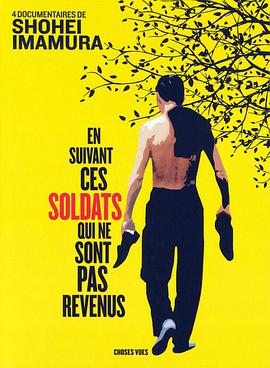
“In Search of Unreturned Soldiers was about former soldiers of the Japanese army who chose not to return to Japan after the war. I found several of them who had remained in Thailand. Two years later, I invited one of them to make his first return visit to Japan and documented it in Outlaw-Matsu Returns Home. During the filming, my subject Fujita asked me to buy him a cleaver so that he could kill his ‘vicious brother.’ I was shocked, and asked him to wait a day so that I could plan how to film the scene. By the next morning, to my relief, Fujita had calmed down and changed his mind about killing his brother. But I couldn’t have had a sharper insight into the ethical questions provoked by this kind of documentary filmmaking.” —Shôhei Imamura