Lord Dunsany — Author (6)
Book
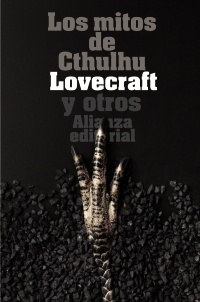
Los mitos de Cthulhu
GoodreadsAnticipada por notables precedentes, como Lord Dunsany, Ambrose Bierce, R. W. Chambers, A. Machen o Algernon Blackwood, y enriquecida posteriormente por otros escritores, corresponde sin embargo a Howard Phillips Lovecraft (1890-1937) el papel más importante en la invención de LOS MITOS DE CTHULHU, ciclo de narraciones de horror cósmico ambientadas en mundos primigenios de caos y espanto. El presente volumen, prologado y seleccionado por Rafael Llopis, ofrece una completa panorámica del desarrollo de los mitos y reúne las piezas fundamentales en la configuración de ese singular e inquietante universo que remueve en el interior del lector profundos terrores atávicos.
Book
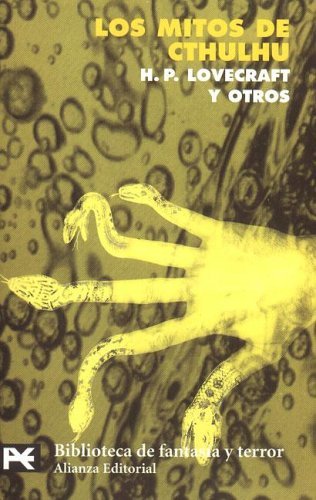
Los mitos de Cthulhu
GoodreadsAnticipada por notables precedentes (Lord Dunsany, Ambrose Bierce, R. W. Chambers, A. Machen, Algernon Blackwood) y enriquecida posteriormente por otros escritores, corresponde sin embargo a HOWARD PHILLIPS LOVECRAFT (1890-1937) el papel más importante en la invención de LOS MITOS DE CTHULHU, ciclo de narraciones de horror cósmico ambientadas en mundos primigenios de caos y espanto. El presente volumen, prologado y seleccionado por Rafael Llopis, ofrece una completa panorámica del desarrollo de los mitos y reúne las piezas fundamentales en la configuración de ese singular e inquietante universo que remueve en el interior del lector profundos terrores atávicos.
"Días de ocio en el país del Yann" (Iddle Days on the Yann, 1910), de Lord Dunsany
"Un habitante de Carcosa" (An Inhabitant of Carcosa, 1886), de Ambrose Bierce
"El signo amarillo" (The Yellow Sign 1895), de Robert W. Chambers
"Vinum Sabbati" (The White Powder, 1895), de Arthur Machen
"El Wendigo" (The Wendigo, 1910), de Algernon Blackwood
"La maldición que cayó sobre Sarnath" (The Doom that Came to Sarnath, 1920), de H.P. Lovecraft
"El ceremonial" (The Festival, 1925), de H.P. Lovecraft
"Los Perros de Tíndalos" (The Hounds of Tindalos, 1929), de Frank Belknap Long
"La Sombra sobre Innsmouth" (The Shadow over Innsmouth, 1936), de H.P. Lovecraft
"La piedra negra" (The Black Stone, 1931), de Robert E. Howard
"Estirpe de la cripta" (The Nameless Offspring, 1932), de Clark Asthon Smith
"En la noche de los tiempos" (The Shadow out of Time, 1936), de H.P. Lovecraft
"Reliquia de un mundo olvidado" (Out of the Eons, 1933), de Hazel Heald
"Las ratas del cementerio" (The Graveyard Rats, 1936), de Henry Kuttner
"El vampiro estelar" (The Shambler from the Stars, 1935), de Robert Bloch
"El Morador de las Tinieblas" (The Haunter of the Dark, 1936), de H.P. Lovecraft
"La Hoya de las Brujas" (Witches" Hollow, 1962), de H.P. Lovecraft y August Derleth
"El Sello de R"lyeh" (The Seal of R"lyeh, 1957), de August Derleth
"La sombra que huyó del chapitel" (The Shadow from the Steeple, 1950), de Robert Bloch
"La iglesia de High Street" (The Church of High Street, 1962), de J. Ramsey Campbell
"Con la técnica de Lovecraft" (Amb la tècnica de Lovecraft, 1956), de Juan Perucho
Book
Thirteen at Table
Goodreads"How can I ever thank you?" he said to me then. "We have been thirteen at table for thirty years and I never dared to insult them because I had wronged them all, and now you have done it and I know they will never dine here again."
Book
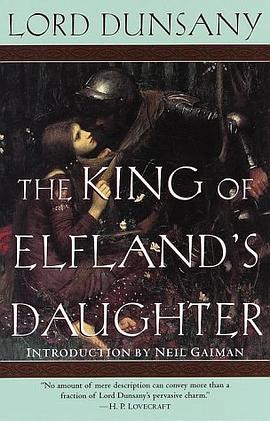
The King of Elfland's Daughter
Douban GoodreadsThe poetic style and sweeping grandeur of The King of Elfland's Daughter has made it one of the most beloved fantasy novels of our time, a masterpiece that influenced some of the greatest contemporary fantasists. The heartbreaking story of a marriage between a mortal man and an elf princess is a masterful tapestry of the fairy tale following the "happily ever after."
Book
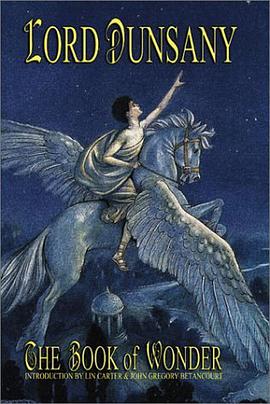
The Book of Wonder
Douban"Not only does any tale which crosshatches between this world and Faerie owe a Founder's Debt to Lord Dunsany, but the secondary world created by J.R.R. Tolkien--from which almost all fantasylands have devolved--also took shape and flower from Dunsany's example." --The Encyclopedia of Fantasy
Most fantasy enthusiasts consider Lord Dunsany one of the most significant forces in modern fantasy; his influences have been observed in the works of H.P. Lovecraft, L. Sprague de Camp, Fritz Leiber, Jack Vance, and many other modern writers. The Book of Wonder is Dunsany at his peak of his talent. The stories here are a lush tapestry of language, conjuring images of people, places, and things which cannot possibly exist, yet somehow ring true. They are, in short, full of wonder. Together with Dunsany's other major collections, A Dreamer's Tales and Tales of Three Hemispheres, they are a necessary part of any fantasy collection.