John Nesbitt — Actor (31)

Movie

Good Wrinkles (1951)
Good Wrinkles IMDb TMDB
Sunny-sweet the prune shows us how prunes are made from certain kinds of plums, why they're so good for you, and, in live action, some recipes made with prunes. As a subplot, he also explains why California prunes are better than those from the Pacific Northwest and other areas. (Of course, Sunny may be a bit biased, since this film was sponsored by a California organization of prune growers).
Movie

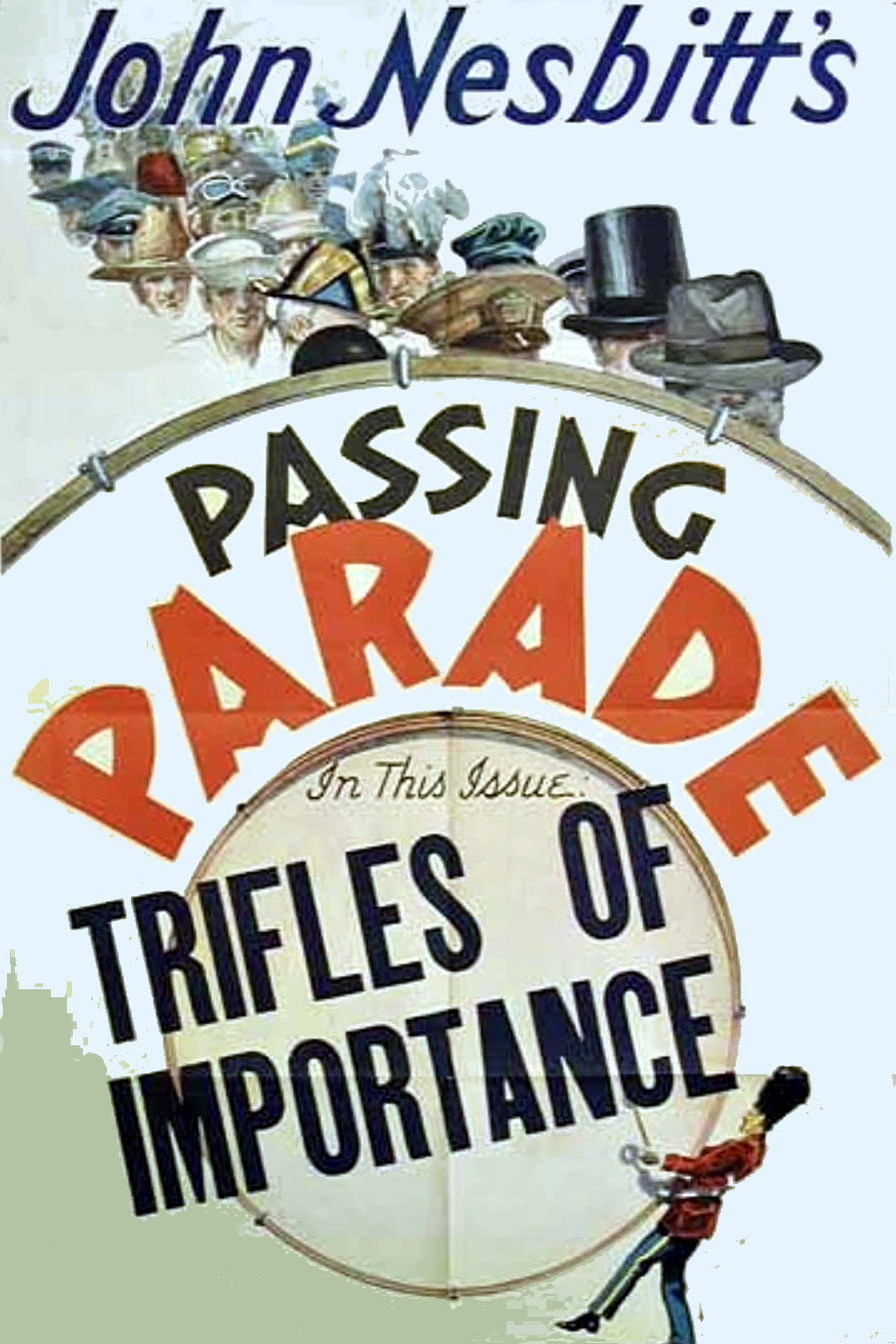
Trifles of Importance (1940)
Trifles of Importance IMDb TMDB
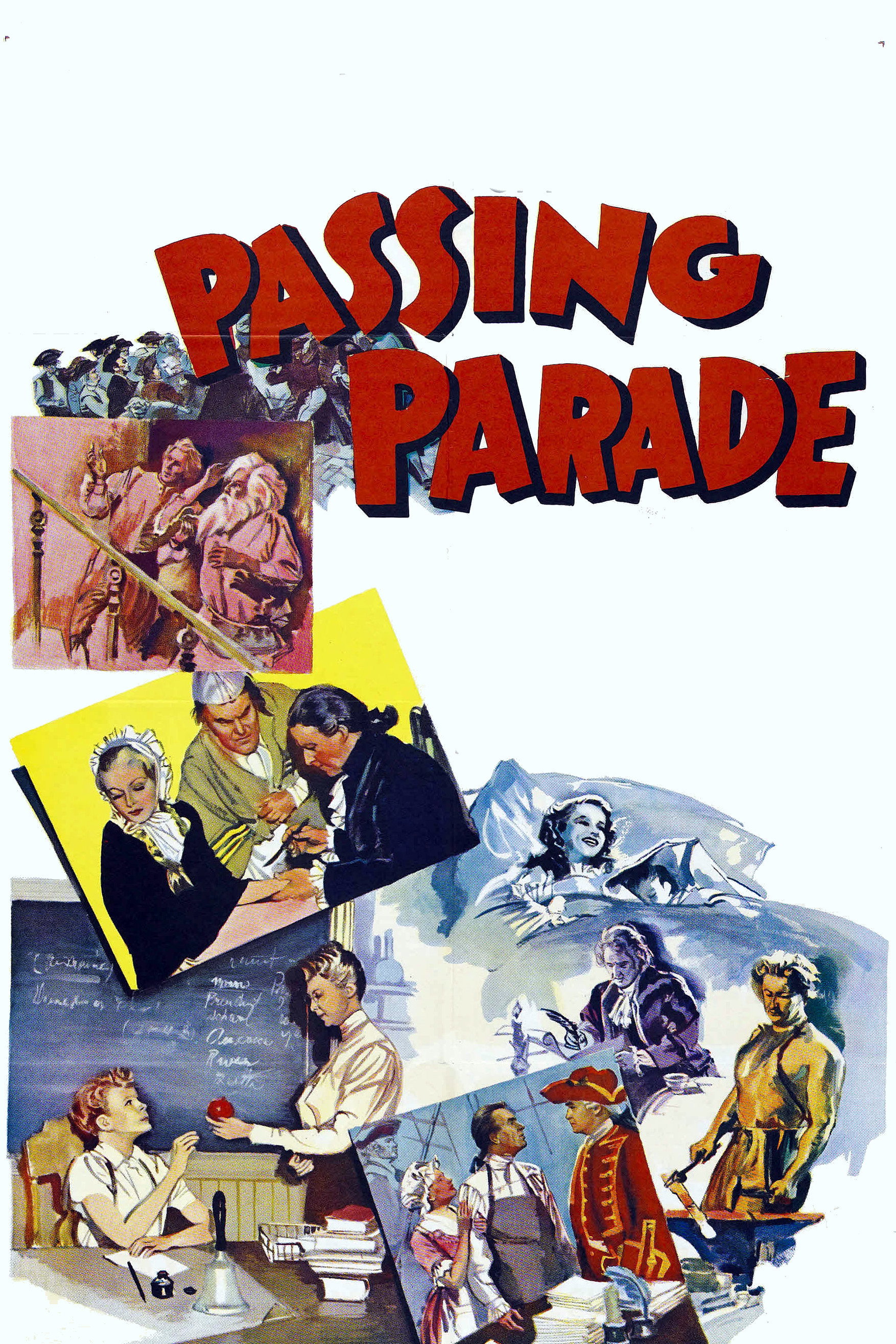
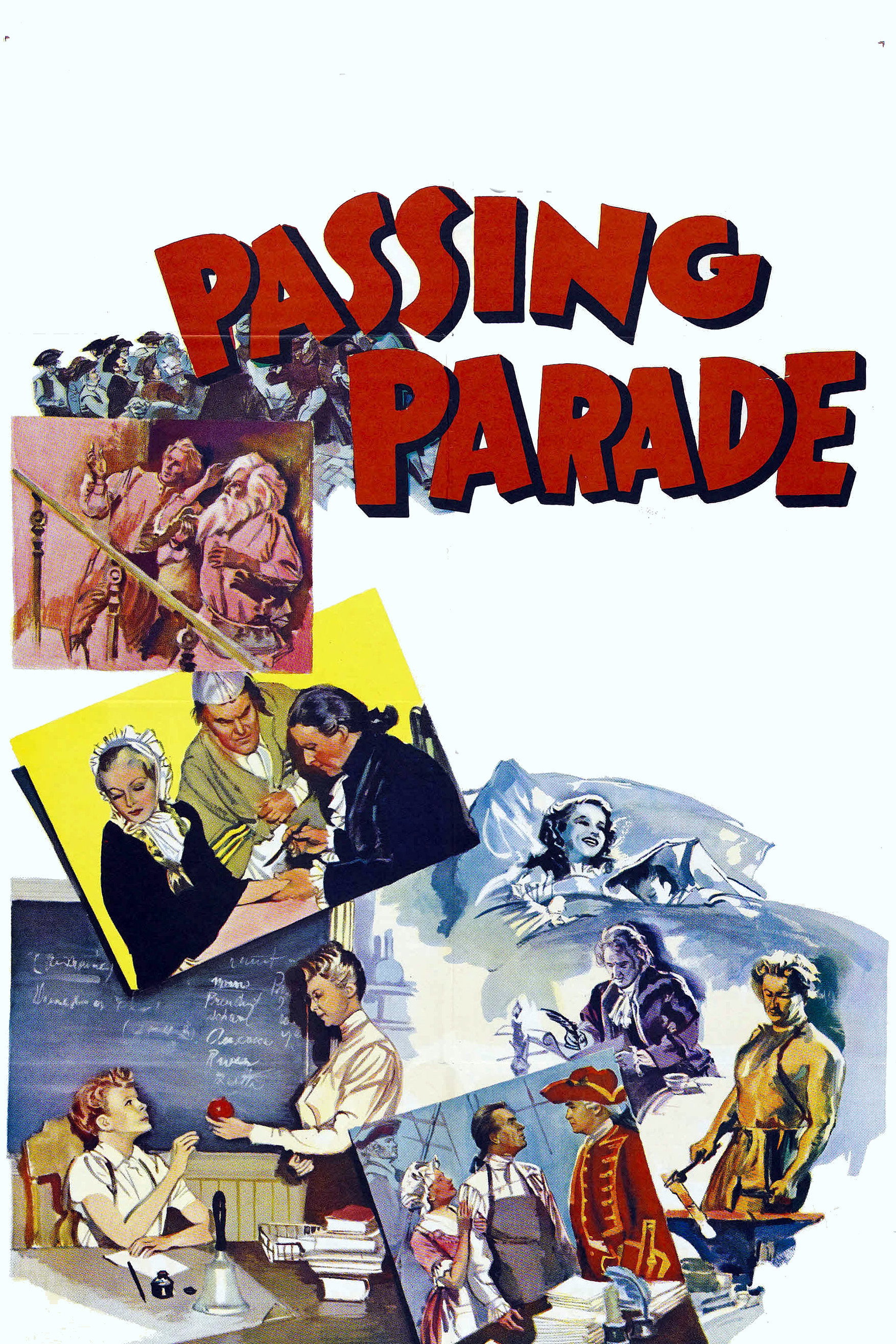
Part of John Nesbitt's Passing Parade series, this short shows how three seemingly unimportant things can affect people. The first is how the number 7 affects a student accused of theft charges. The second segment shows that a person's doodles can reveal personality traits. The final segment shows why certain items are on men's suits, such as lapels.

Movie

A Way in the Wilderness (1940)
A Way in the Wilderness IMDb TMDB
This Passing Parade entry tells the story of Dr. Joseph Goldberger (1874-1929), a Hungarian immigrant who devoted his life to finding the cause of pellagra, a disease that killed hundreds of thousands in the southern United States. Although the medical community believed that the condition was caused by a virus, Goldberger proved that a healthy diet was the cure.

Movie

Clues to Adventure (1949)
Clues to Adventure IMDb TMDB
actor: John Nesbitt / Mary Gordon …
This MGM Passing Parade series short presents how separate events led to the creation of three provisions - freedom of speech, freedom of the press, and prohibition of the infliction of cruel and unusual punishments - in the U.S. Constitution's Bill of Rights.

Movie

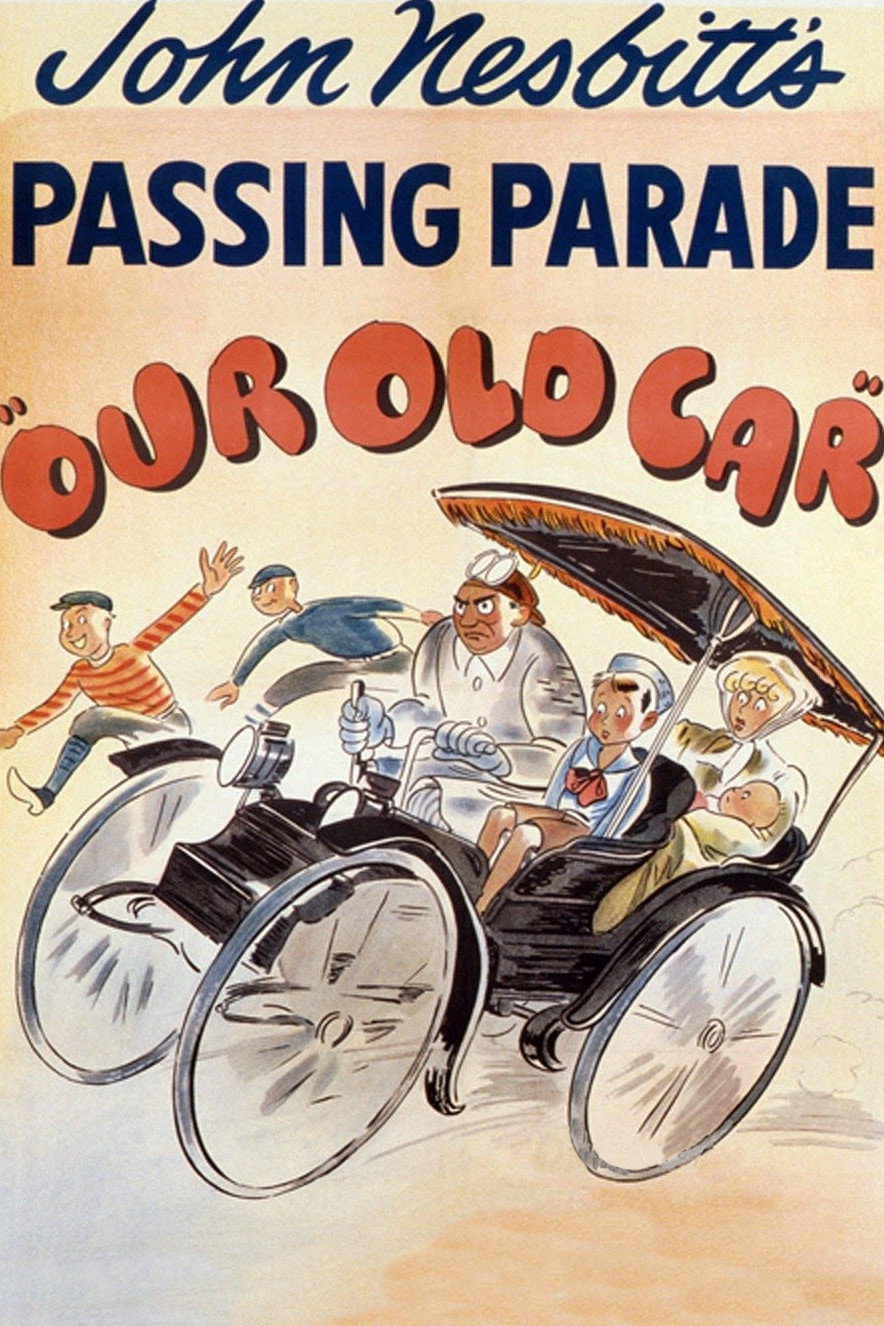
Our Old Car (1946)
Our Old Car IMDb TMDB
In this John Nesbitt's Passing Parade short, a man traces his history by the succession of cars his father owned. [This short appears in its entirety during MGM's short feature "The Great Morgan".]

Movie

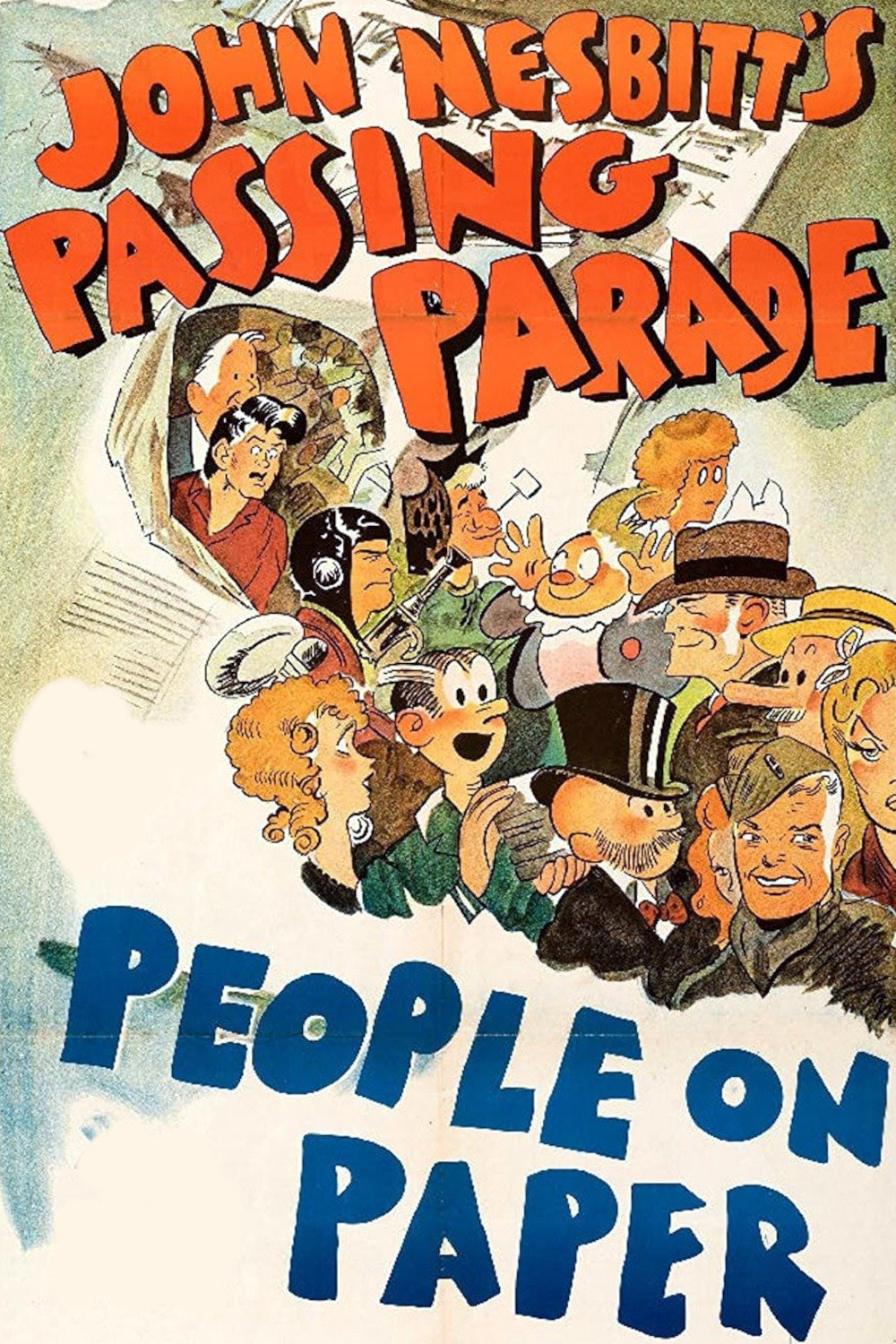
People on Paper (1945)
People on Paper IMDb TMDB
Americans are preoccupied with the news, but need an escape from many of the events reported in the news. These escapes in the past have included dime store novels. The most accessible of these escapes is what are known as the funny papers, the set of serialized comic strips that are included within many newspapers. They appeal to all socio-economic classes, and all ages. Some of the earliest known from the late 19th century include the Yellow Kid, Little Nemo, Happy Hooligan, the Katzenjammer Kids, Mutt & Jeff, and Bringing Up Father. Many cartoonists are seen in action. Some originated their characters, while others have taken over following the passing of the originator. The joy of many comic strips are the absurd and the fantastical, which are limited only by the imagination of the cartoonist. Others are grounded in reality, which add to their poignancy within the public mindset.

Movie

Don't You Believe It (1943)
Don't You Believe It IMDb TMDB
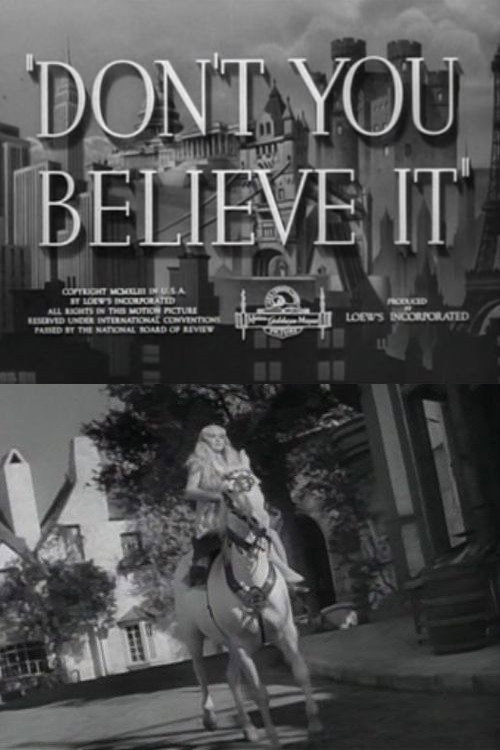
This Passing Parade entry looks at several historical "truths" that just aren't so: Steve Brodie never jumped off the Brooklyn Bridge; Mrs. O'Leary's cow did not start the great Chicago fire; Nero didn't fiddle while Rome burned; and Lady Godiva never rode naked through the streets of Coventry.

TV

Telephone Time (1956)
Telephone Time WikiData IMDb TMDB
actor: John Nesbitt
other title: 電話時光
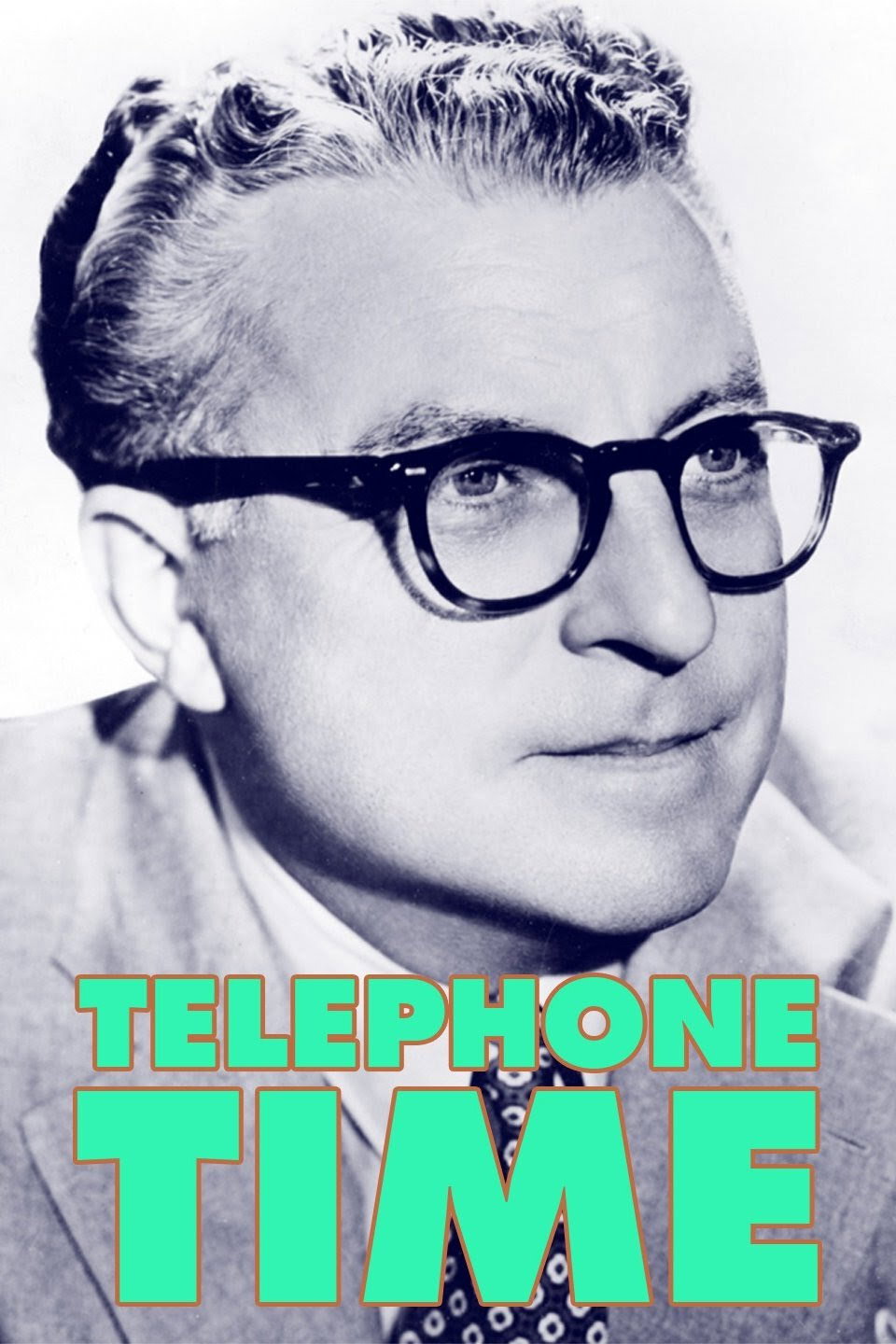
Telephone Time is an American anthology drama series that aired on CBS in 1956, and on ABC from 1957 to 1958. The series features plays by John Nesbitt who hosted the first season. Frank C. Baxter hosted the 1957 and 1958 seasons. The program was directed by Arthur Hiller.