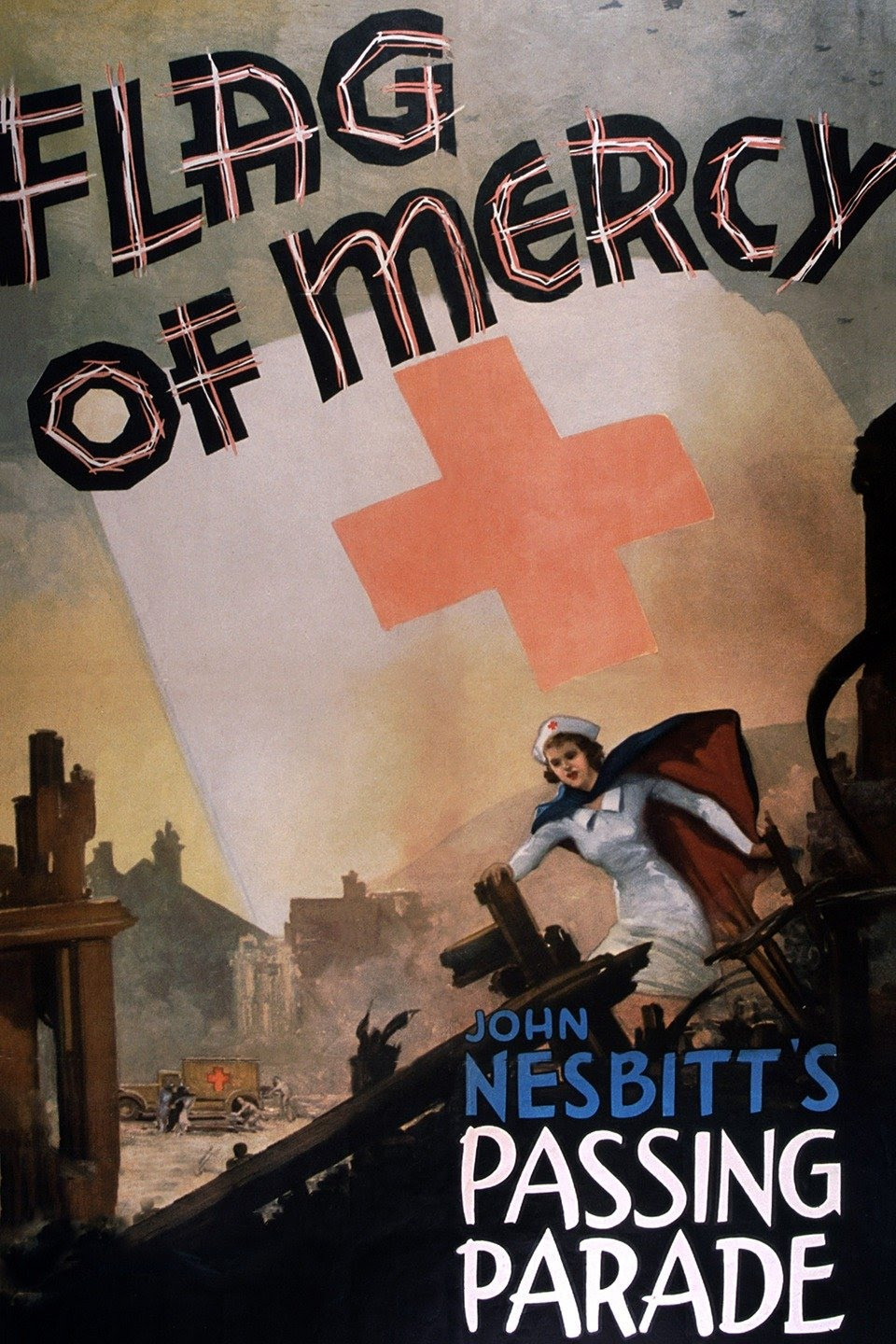
John Nesbitt — Producer (18)

Movie

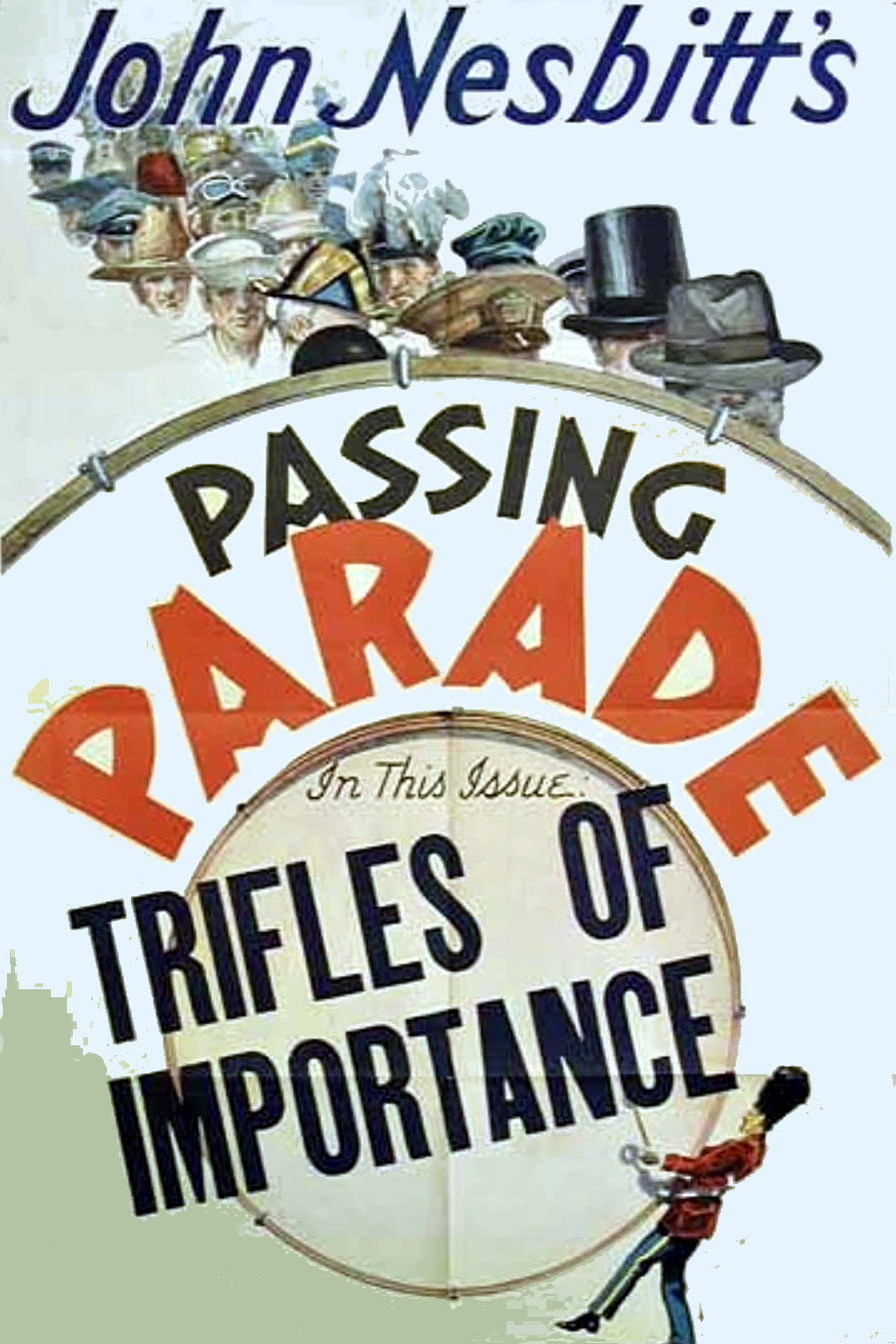
Trifles of Importance (1940)
Trifles of Importance IMDb TMDB
Part of John Nesbitt's Passing Parade series, this short shows how three seemingly unimportant things can affect people. The first is how the number 7 affects a student accused of theft charges. The second segment shows that a person's doodles can reveal personality traits. The final segment shows why certain items are on men's suits, such as lapels.

Movie

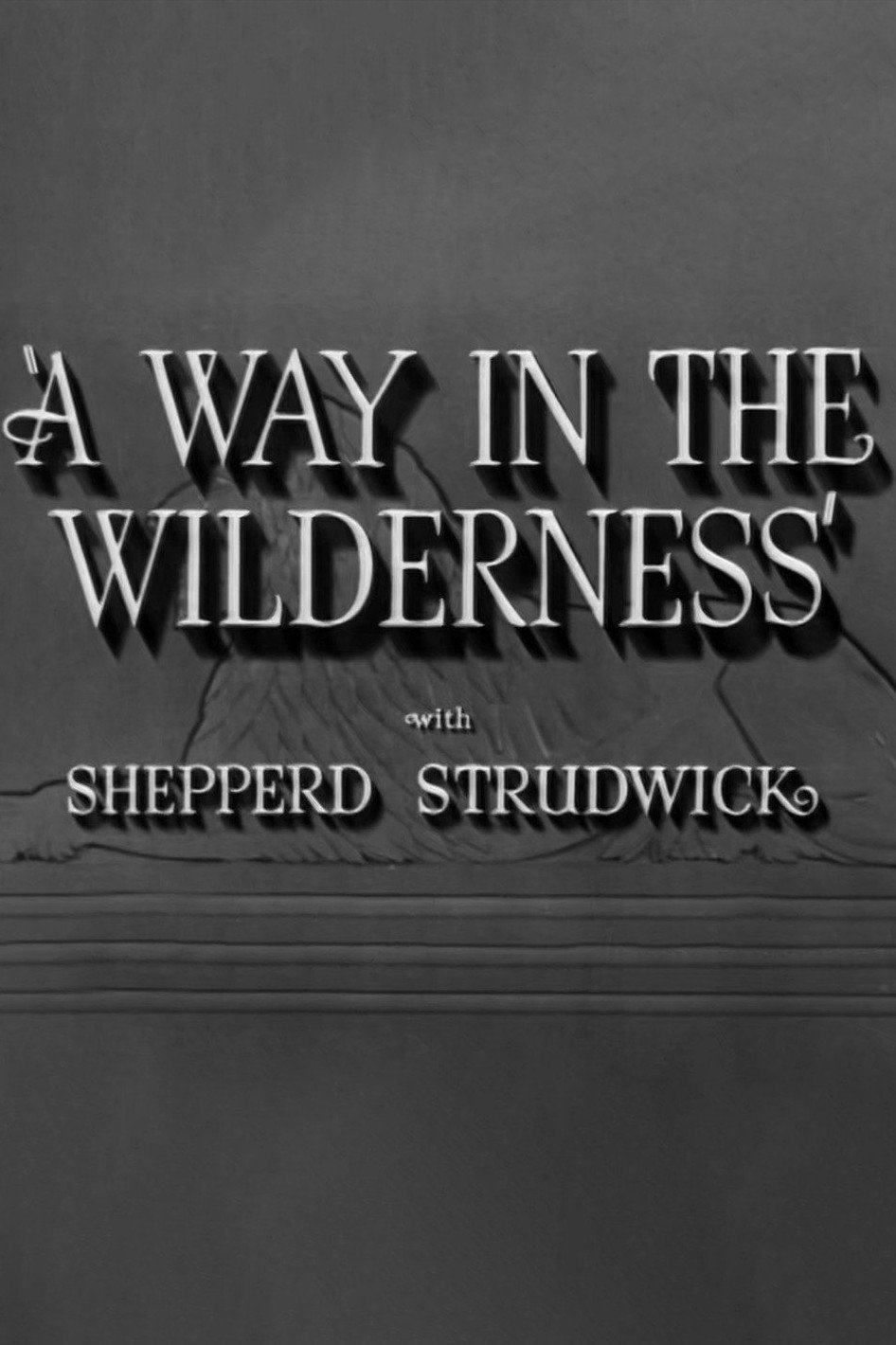
A Way in the Wilderness (1940)
A Way in the Wilderness IMDb TMDB
This Passing Parade entry tells the story of Dr. Joseph Goldberger (1874-1929), a Hungarian immigrant who devoted his life to finding the cause of pellagra, a disease that killed hundreds of thousands in the southern United States. Although the medical community believed that the condition was caused by a virus, Goldberger proved that a healthy diet was the cure.

Movie

Clues to Adventure (1949)
Clues to Adventure IMDb TMDB
actor: John Nesbitt / Mary Gordon …
This MGM Passing Parade series short presents how separate events led to the creation of three provisions - freedom of speech, freedom of the press, and prohibition of the infliction of cruel and unusual punishments - in the U.S. Constitution's Bill of Rights.

Movie

Our Old Car (1946)
Our Old Car IMDb TMDB
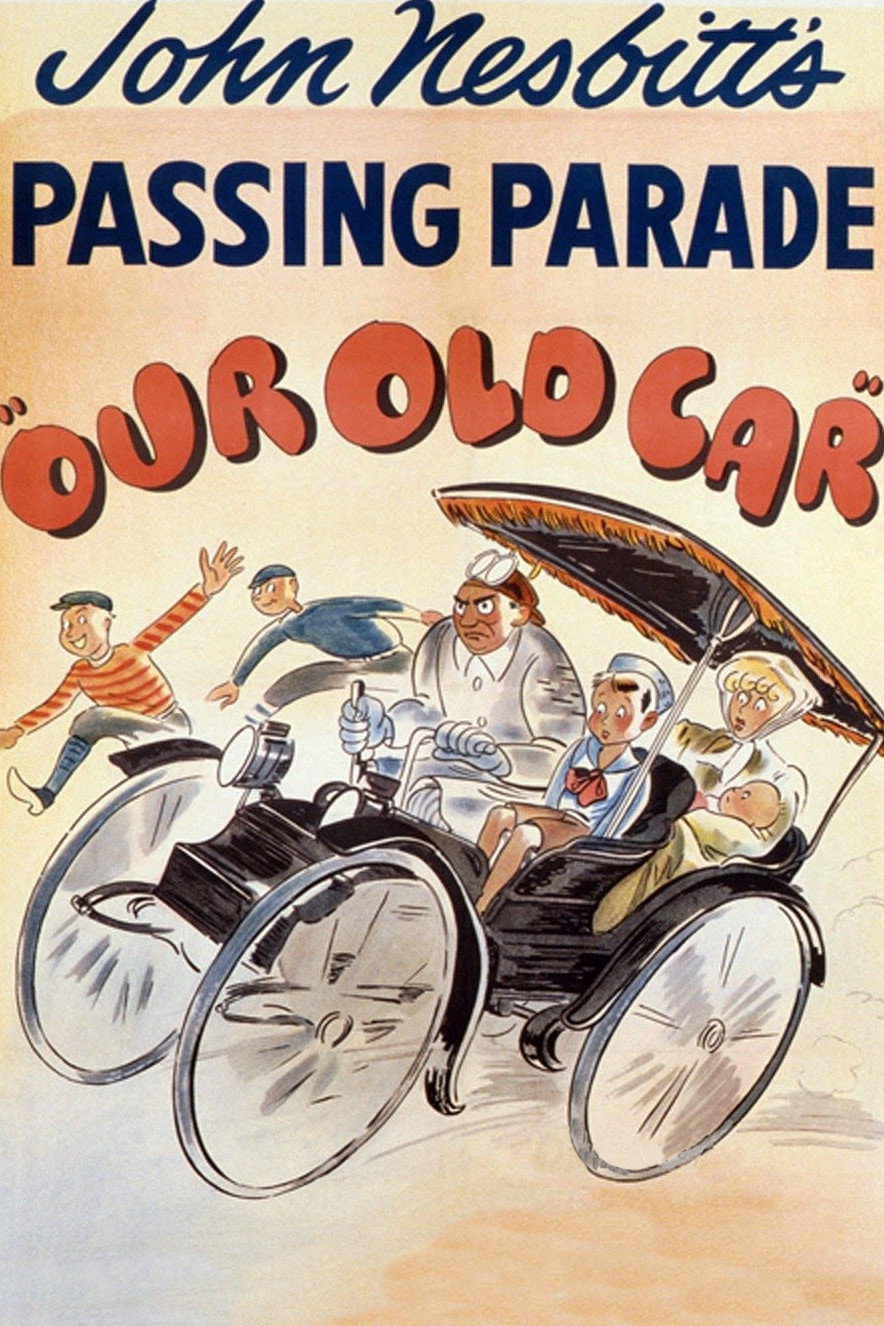
In this John Nesbitt's Passing Parade short, a man traces his history by the succession of cars his father owned. [This short appears in its entirety during MGM's short feature "The Great Morgan".]

Movie

Don't You Believe It (1943)
Don't You Believe It IMDb TMDB
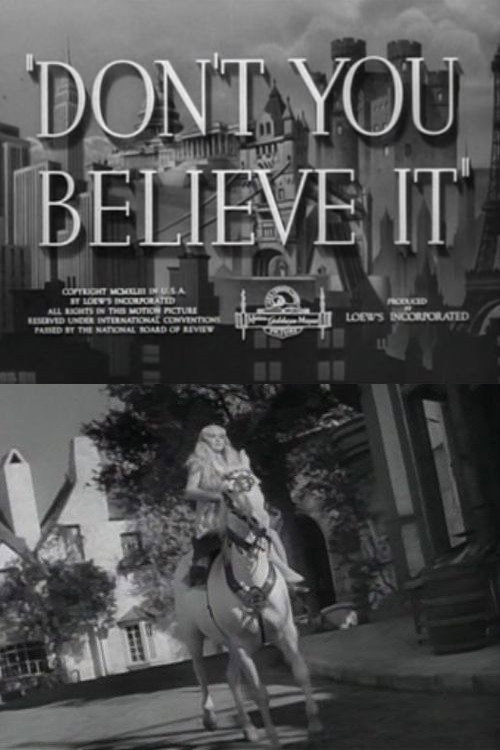
This Passing Parade entry looks at several historical "truths" that just aren't so: Steve Brodie never jumped off the Brooklyn Bridge; Mrs. O'Leary's cow did not start the great Chicago fire; Nero didn't fiddle while Rome burned; and Lady Godiva never rode naked through the streets of Coventry.

Movie

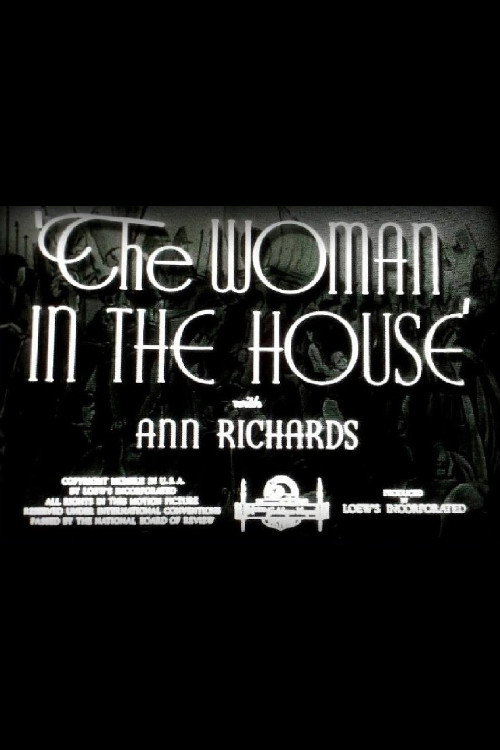
The Woman in the House (1942)
The Woman in the House WikiData IMDb TMDB
This short looks at the illness anthropophobia, the fear of people. In 1901, young Catherine Starr, who lives in a small English coastal town, has an argument with her fiancé. He leaves her house, goes off to serve in the Boer War, and dies of malaria. Catherine blames herself for his death and fears others will also blame her. She does not leave her house for forty years. Groceries are delivered to the house, but no one sees who retrieves them. When the Nazis bomb her house in September 1941, she is forced to cope with the outside world.

Movie

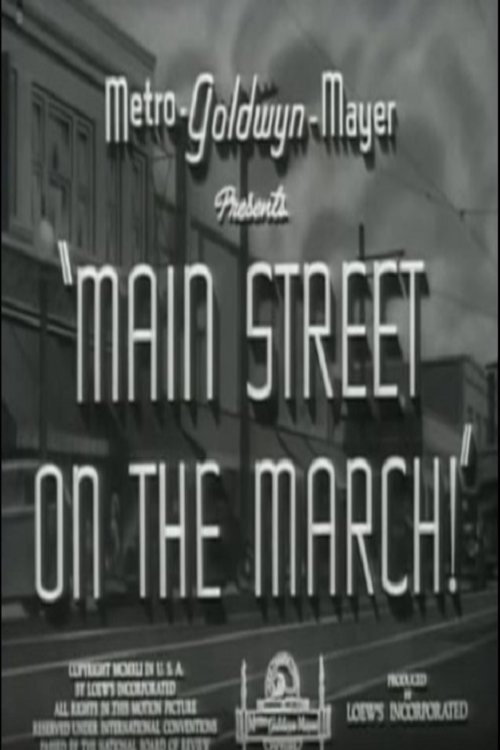
Main Street on the March! (1941)
Main Street on the March! WikiData IMDb TMDB
other title: 三月的大街
This Best Short Subject Academy Award winning film begins in the spring of 1940, just before the Nazi occupation of the Benelux countries, and ends immediately after the Japanese attack on Pearl Harbor. It chronicles how the people of "Main Street America", the country's military forces, and its industrial base were completely transformed when the decision was made to gear up for war. Original footage is interspersed with contemporary newsreels and stock footage.