Jimmy Cliff — Artist (14)
Music
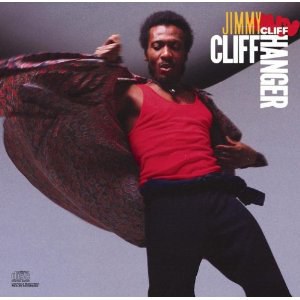
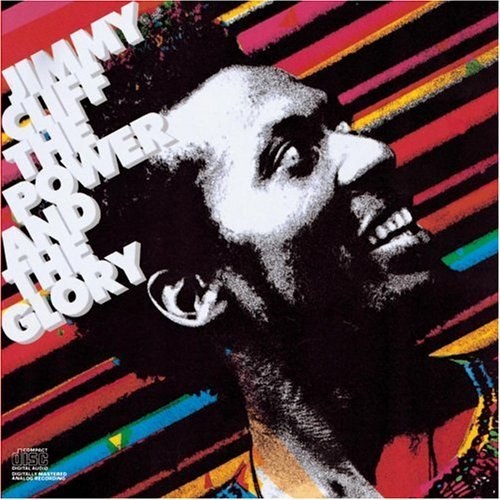
Cliff Hanger
Douban
Jimmy Cliff
genre:
Reggae
release date 1985-01-01
publisher:
CBS Records
Personnel
Jimmy Cliff – piano, vocals
Jaco Pastorius – bass
Ansel Collins – organ
La Toya Jackson - writer, arranger
Amir-Salaam Bayyan – synthesizer, guitar
Ronald Bell – keyboards, tenor saxophone
Harold Butler – keyboards
Wilburn Cole – drums
Peter Duarte – horn
Sly Dunbar – drums
Gary Henry – keyboards
Christopher Meredith – bass
Kim Palumu – guitar
Michael Ray – trumpet
Robbie Shakespeare – bass
Earl "Chinna" Smith – guitar
Kendal Stubbs – bass
Dennis White – horn
Curtis "Fitz" Williams – saxophone
Sidney Wolfe – percussion
Fernando Luis – guitar
Isidro Ross – percussion
Rick Iantosca – guitar, keyboards
Syd Judah – horn
Cliff Adams – trombone
Bertram "Ranchie" McLean – rhythm guitar

Music
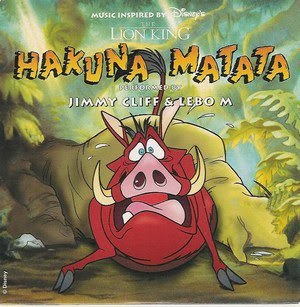
Hakuna Matata
Douban
Jimmy Cliff
genre:
Soundtrack
release date 1995-01-01
publisher:
Polydor
"Hakuna Matata" is a song from Disney's 32nd animated feature The Lion King. The song is based on Timon and Pumbaa's common catchphrase in the movie, Hakuna matata, which is a Swahili phrase. It is characterized by its simple 4/4 time, upbeat message and catchy lyrics.
Music
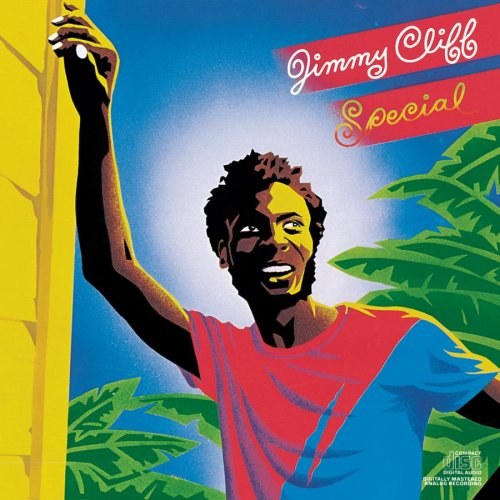
Jimmy Cliff (Dlx)
Douban
Jimmy Cliff
genre:
Pop
release date 2002-08-20
publisher:
Sanctuary Records
Jimmy的Reggae,一种亲切且别样的感觉,音乐出众,风格多样,融合了更多的世界音乐!
It's one of life's great ironies that today, outside of reggae circles, Jimmy Cliff is better known for his film appearances than his music. Even after a string of hits, the singer never quite managed to break into the mainstream, although in the late '60s/early '70s, he seemed poised for international stardom. The singer was born in St. Catherine, Jamaica, on April 1, 1948, with the less prosaic name James Chambers. His talent was obvious from childhood, and he began his career appearing at local shows and parish fairs. At 14, he felt ready for the big time, moved to Kingston, and took the surname Cliff to express the heights he intended on reaching. Cliff recorded two unsuccessful singles before he was spotted by Derrick Morgan, who brought him to Leslie Kong. His first single for the budding producer, "Hurricane Hattie," was an instant hit. Unusually, Cliff remained with Kong until the producer's death; most Jamaican artists flit from studio to studio. The singer's loyalty was rewarded, however, as the hits just kept coming. In the early years, the pair helped set the ska scene alight, both in Jamaica and in Britain, where the singer's singles were picked up by Island Records. "Miss Jamaica," "King of Kings," "One Eyed Jacks," and "Pride and Passion" were all classics from the ska era.
Music
Rebirth
Douban
Jimmy Cliff
genre:
Reggae
release date 2012-07-31
publisher:
Universal Music Catalogue
Music
Reggae Greats
Douban Discogs Spotify
Jimmy Cliff
genre:
Reggae
release date 1991-01-01
publisher:
Mango
雷鬼大师Jimmy Cliff的一张精选。
Music
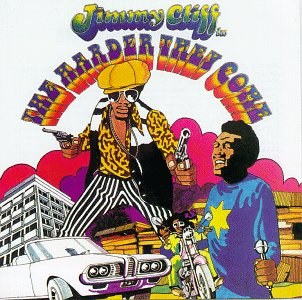
The Harder They Come
Douban Discogs Spotify
Jimmy Cliff
/
Original Soundtrack
genre:
Reggae
release date 1990-10-17
publisher:
Mango
In 1973, when the movie The Harder They Come was released, reggae was not on the radar screen of American pop culture. The soundtrack went a ways toward changing that situation. It is a collection of consistently excellent early reggae songs by artists who went on to thrive with reggae's increased popularity and others for whom this is the most well-known vehicle. Jimmy Cliff is both the star of the movie and the headliner on the soundtrack. He contributes three excellent songs: the hymnal "Many Rivers to Cross," "You Can Get It If You Really Want," and "The Harder They Come" (the latter two are repeated at the end of the album, but you probably wanted to hear them again anyway). Interestingly, the better production values of his songs actually seems to detract from them when compared to the rougher, but less sanitized, mixes of the other tracks. All the songs on this collection are excellent, but some truly stand out. Toots & the Maytals deliver two high-energy songs with "Sweet and Dandy" and "Pressure Drop" (covered by the Clash among others). Scotty develops a mellow, loping groove on "Stop That Train" (not the same as the Wailers' song by the same name) and the Slickers prove on "Johnny Too Bad" that you don't have to spout profanity or graphic violence to convey danger. The Harder They Come is strongly recommended both for the casual listener interested in getting a sense of reggae music and the more serious enthusiast. Collections don't come much better than this.