Sergei Parajanov — Playwright (5)

Movie

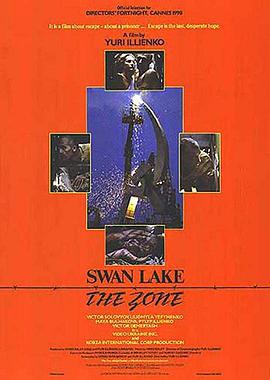
Swan Lake: The Zone (1990) Douban
Лебединое озеро. Зона
director: 尤里·伊利延科 actor: Viktor Solovyov / Lyudmila Yefymenko …
other title: 天鹅湖禁区 / Лебединое озеро. Зона …
The Reality Of Life In Soviet Era Ukraine. This film tells what it was like to live in the USSR with brutal reality.
A convict is forced to hide within a model of a hammer and sickle. Here a tragic romance ensues between the convict and woman worker; which is spoilt by the woman's jealous young son.
The convict is then forced to undergo a tragic bid for freedom which ends with the beauty of swans contrasted with the imprisoned convicts and the hopeful but ultimately tragic wait by the woman for her lover.

Movie

Arabesques on the Pirosmani Theme (1991) WikiData IMDb TMDB Douban
Арабески на тему Пиросмани
★ 6.6 (10 ratings) director: 谢尔盖·帕拉杰诺夫
other title: 皮罗斯马尼主题上的蔓藤 / Арабески на тему Пиросмани …
Arabeskebi Pirosmanis temaze (Arabesques on the Pirosmani Theme)
(1985), 25mins
A short mediation on the work of Georgian painter Niko Pirosmaniszvili (1862-1918).
Sergei Paradjanov was born in Tblisi, Georgia (former Soviet Union) in 1924. In 1964 he was able to direct 'Shadows of our Forgotten Ancestors'; a boldly conceived and astonishingly photographed blend of enchanting mythology, hypnotic religious iconography, and pagan magic introducing the world to a new idiosyncratic cinema talent.
In 1968 he created one of many masterpieces; "Sayat Nova" which was promptly banned by Soviet authorities. It was renamed (and re-edited without his approval) and entitled "The Color of Pomegranates". For religious sympathies and lack of conformity to the strict socialist realism of the former Soviet union Paradjanov was arrested in December of 1973 and sentenced to five years imprisonment - residing in various hard-labor camps.
An important group of world-famous filmmakers, artists and activists (including notables such as Federico Fellini, Tonino Guerra, Francesco Rosi, Poet Louis Aragon, Mikhail Vartanov, Giulietta Masina, Marcello Mastroianni and Bernardo Bertolucci) persistently protested Paradjanov was eventually released after 4 years. His activity remained monitored and he was limited by the Soviet authorities but 15 years after "Sayat Nova" he created "The Legend of the Suram Fortress"; a folk tale and adapted from the novella by Daniel Chongadze. Once again the cinema world was peering inside viewing vividly poetic and poignant imagery.
In 1986 Parajanov made yet another multi-award winning film, Ashug-Karibi (1988), based on a tale by Mikhail Lermontov, and he dedicated the film to his friend Andrei Tarkovsky. His stay in prison had crushed his health, and he passed away in July of 1990 of cancer, leaving the world a rich and unforgettable blend of unique and meaningful cinema but his legendary films live on and his picture adorns a postage stamp in Armenia.

Movie

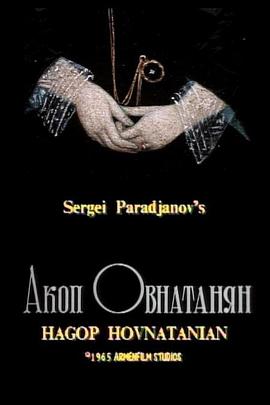
Hakob Hovnatanyan (1967) IMDb TMDB Douban
Hakob Hovnatanyan
★ 7.4 (13 ratings) director: 谢尔盖·帕拉杰诺夫
other title: 哈可布·赫夫那坦杨 / Hagop Hovnatanian …
Exploring the art of Armenian portraitist Hakob Hovnatanyan, Parajanov revives the culture of Tbilisi of the 19th century.

Movie

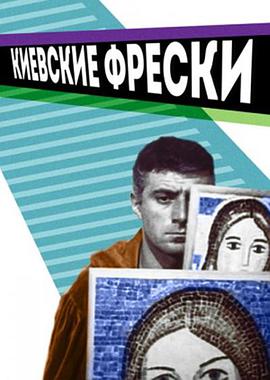
Kyiv Frescoes (1965) WikiData IMDb TMDB Douban
Киевские фрески
director: 谢尔盖·帕拉杰诺夫 actor: Tengiz Archvadze / Vladimir Artman …
other title: 基辅壁画 / Киевские фрески …
Edited screen tests of Parajanov's unfinished film. On the twentieth anniversary of the liberation of Kiev from the Nazis, a film director pays a stevedore to deliver a bunch of flowers to a general. By accident the director gives the wrong address and the stevedore delivers the flowers to a war widow who is currently working at an art museum.

Movie

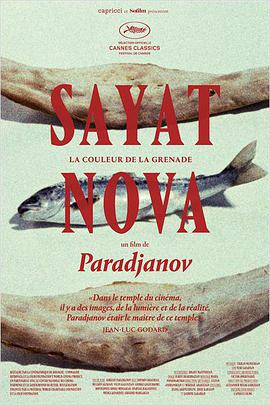
The Color of Pomegranates (1969)
Նռան գույնը
other title: 石榴的颜色 / Նռան գույնը …
The life of the revered 18th-century Armenian poet and musician Sayat-Nova. Portraying events in the life of the artist from childhood up to his death, the movie addresses in particular his relationships with women, including his muse. The production tells Sayat-Nova's dramatic story by using both his poems and largely still camerawork, creating a work hailed as revolutionary by Mikhail Vartanov.