Babette Mangolte — Director (5)
Movie
Trisha Brown: Watermotor (1978)
Douban
Babette Mangolte
actor:
Trisha Brown
other title:
Trisha Brown, Water Motor
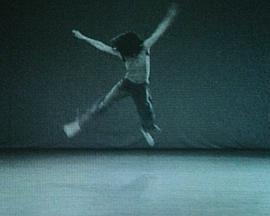
1978, Babette Mangolte made a film of famed choreographer Trisha Brown dancing a hyperkinetic solo called Water Motor. The first portion was filmed in "real time," at 24 frames per second, and the second at half-speed, or 48 frames per second. In the second take, Brown's movements appear elongated in time, the slowed frame rate making visible what was previously inaccessible to the naked eye. As Mangolte describes, "the movement takes on a luscious quality that informs the viewer of what was missed before." Filmmaker Yvonne Rainer called Water Motor "One of the best dance films ever made."
Movie
The Sky on Location (1983)
The Sky on Location IMDb TMDB Douban
Babette Mangolte
actor:
Babette Mangolte
/
Bruce Boston
…
A personal meditation on the landscape of the American West that tracks the ruling conception in nature in the 19th and 20th centuries from the pioneers through the instamatic tourists, at the same time that it obsessively follows the four seasons. The elemental vicissitudes of the weather, the exact moment of the day, the colour of the light and the soil and the trees form an acute visual record of the constantly changing mood of the landscape. The film successfully attempts, with quiet, passionate, almost single-minded firmness, to confront us as nakedly as possible with our cultural inability to see nature whole, without preconceptions.

Movie
What Maisie Knew (1976)
Douban
Babette Mangolte
actor:
Epp Kotkas
/
菲利普·格拉斯
…
A film made around the subjective camera, the vision of a child, and a re-reading of the Henry James novel. The concern is not with reality and appearance but the manner in which these terms come to be constituted.
Movie
The Camera: Je, La Camera: I (1977)
The Camera: Je, La Camera: I Douban
Babette Mangolte
actor:
香特尔·阿克曼
/
伊冯·雷奈尔
…
other title:
摄影机,我
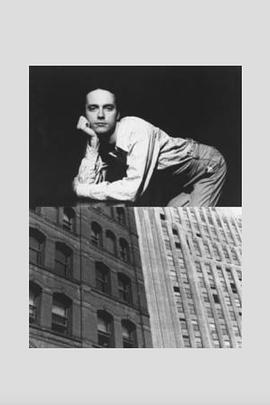
In this radical meditation on image-making, Babette Mangolte puts the viewer of the film in a vantage similar to that of the photographer looking at her subject. This structural device reveals a series of studio portraits not as neutral observational exercises, but as a subtle accumulation of interpersonal tensions and meanderings. In the film’s second half, Mangolte captures street scenes and reflections from SoHo buildings in a light-drenched metaphor of interiority and exteriority equal to the artist’s legendary work lensing the films of Yvonne Rainer and Chantal Akerman (who appears in the film). In a work replete with dualities, the most revelatory is the film’s existence as both “a description of the act of making photographs” and a self-portrait at a singular moment in time.