Paweł Łoziński — Director (5)

Movie

Gutter (1996)
Kratka WikiData IMDb TMDB
other title: Kratka
The film was made according to the idea and under the care of Krzysztof Kieślowski. A contemporary story about 10-year-old Sebastian and Eugene, a retired elevator man. Despite the age difference between them, they are struggling with a similar life situation - they are lonely, with no support in the family, forced to fight for survival, in a world that does not care about them. The fate of the characters is linked by a desire to get a 500-franc note, lost by a French pianist. The money fell into a deep sewage grid, from which it is not easy to take it out. They start a war with each other, use deceit, sometimes join forces to try to get the banknote on their own. With time, they become more and more exposed to each other.

Movie

The Balcony Movie (2021)
Film balkonowy WikiData IMDb TMDB Douban
other title: 阳台电影 / Film balkonowy …
Composed from the conversations that the director holds with people passing by in the street under his Warsaw apartment, each story in 'The Balcony Movie' is unique and deals with the way we try to cope with life as individuals. All together, they create a self-portrait of contemporary human life, and the passers-by present a composite picture of today's world.

Movie

100 Years of Polish Cinema (1995)
100 lat w kinie Douban
other title: 波兰电影一百年 / 100 lat w kinie
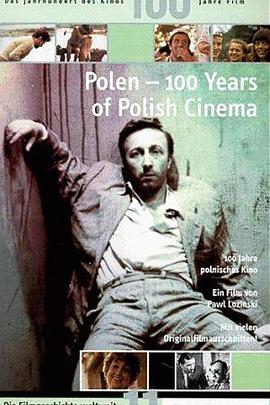
The Polish doco for the BFI’s Century of Cinema distinguishes itself from all the others in the series by being the only one not to have any film critics, academics, directors, etc providing a commentary. Instead it takes the refreshing route of having ordinary people of all ages talking about what’s special to them about movies – so we get some old folks describing their first trip to the cinema when a lot of people didn’t even know what a film was, memories of what it was like to go to the movies as children, teenagers, and adults before, during, and after WWII, and especially the key scenes from films that have made lasting impressions upon them (not unexpectedly, Wajda’s KANAL strikes a nerve), which are shown in accompaniment, so that it becomes the interviewees who ultimately decide what’s shown in the doco. This kind of stuff is what the ‘100 Years of Cinema’ celebration is really about.