Joe Alex — Actor (2)

Movie

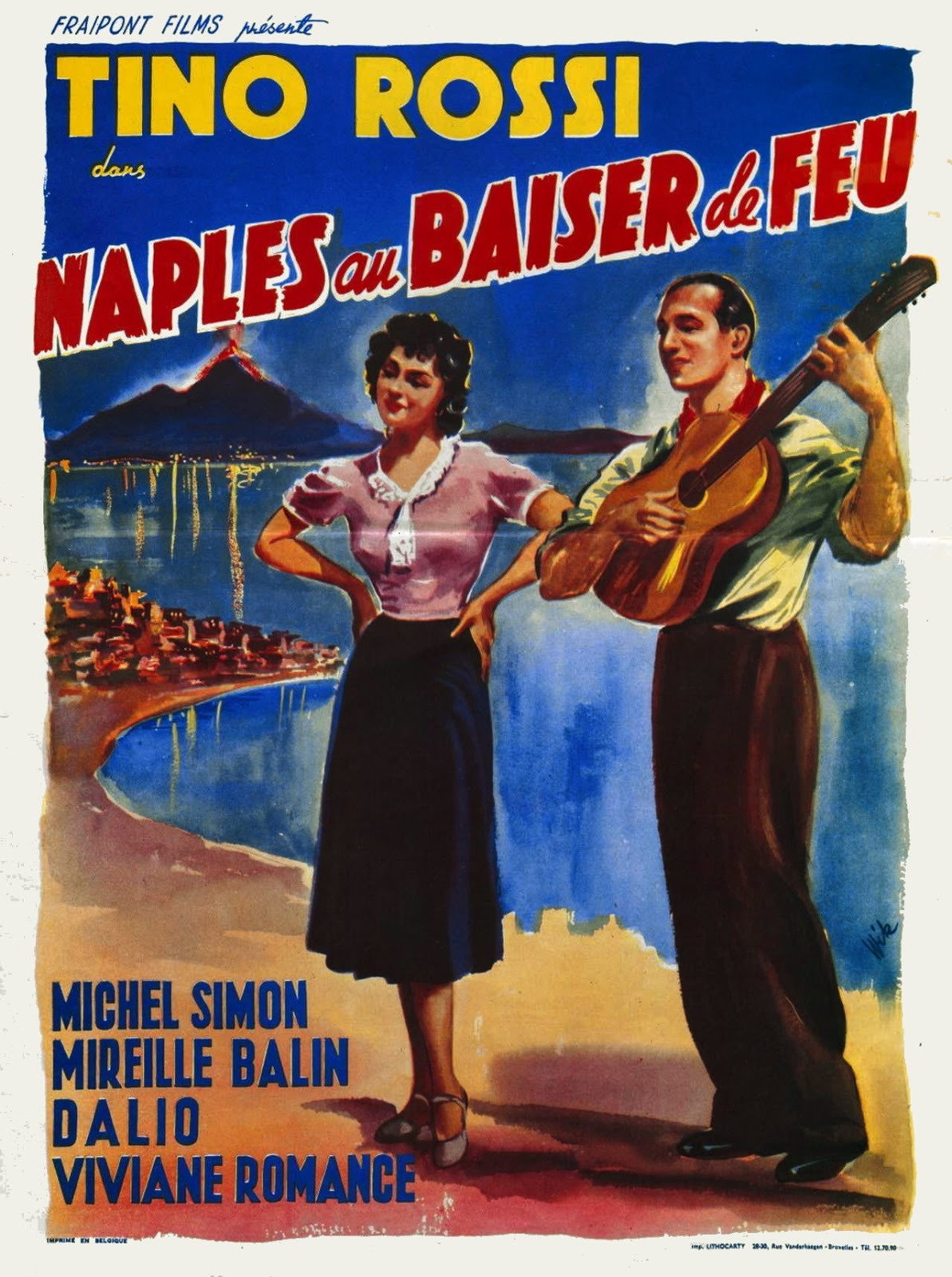
Naples Under the Kiss of Fire (1937)
Naples au baiser de feu WikiData IMDb TMDB
other title: Nächte in Neapel / Naples au baiser de feu …
Mario Esposito, who sings in a Neapolitan restaurant, is in love with Assunta, the niece of Teresa, the owner of the place. He shares his apartment with Michel, his best friend. This one has fallen under the spell of Lolita, a gorgeous adventuress he met at the cathedral where he officiates as the organist. But things go awry as, while Michel intercedes with Aunt Teresa for Assunta's hand in his favor, Mario in turn falls in love with Lolita. On the very day of his wedding with Assunta, Mario runs away with Lolita, thus betraying both his love and his friend. But it does not take long before the young singer realizes the big mistake he has made.

Movie

Little Lise (1930)
La Petite Lise WikiData IMDb TMDB Douban
other title: 小丽丝 / La Petite Lise …
Jean Grémillon’s first talkie, the 1930 LA PETITE LISE, is anything but talky. While opening and closing with soulful afro-Latin strains, something just above silence reigns throughout the film. Grémillon is already orchestrating the auditory menace of nuanced sound sculpting that would later pervade REMORQUES (1941), setting forth evolving rhythmic figures at an atmospheric whisper. Grémillon grafts this aural frieze onto smoldering b&w photography. Truly, the frame is often smoking for purposes of motif. In truth, this film has the most impressive use of sound I know of, including Bresson’s MOUCHETTE. It’s up for speculation as to how much technical issues played into his creative use of sound and off-screen. What is of particular note is that instead of milking the capability of sync sound dialogue, Grémillon uses it very sparingly, increasing the range of expressiveness. An abstract score of atmospheric insinuation is always in accompaniment with the imagery tonally, rhythmically and dynamically. Listening carefully, ambient sound isever at work in a subliminal music score. The story of LA PETITE LISE belongs to the sandbox of melodrama, but Grémillon grinds it into expressionistic minimalism. What is this story? Perhaps it will suffice to say that it is the reunion of a father fresh out of prison with his daughter now grown up, all prepared under a pressure cooker of lens and mic. Conflagrations arise periodically from the embers of troubled quiet, with lighting flickering to and from peaks of intensity. Emblazoned gestures extend from the sustain of affective brood, while conversations flare up before subsiding back into the simmering cauldron.