Muriel Ostriche — Actor (3)

Movie

The Hand Invisible (1919)
The Hand Invisible WikiData IMDb TMDB
Steel magnate Rodney Graham divorces his wife, Alice, after she suffers an injury that renders her unable to give him an heir. He pursues debutante Katherine Dale, whose fiancé, Dick Allen, died on the eve of their wedding. With the help of Katherine's ambitious mother, Rodney persuades her to marry him. Katherine dies after giving birth to Rodney, Jr., and the elder Graham's stepbrother, Arthur Haynes, angrily predicts the magnate's sad demise. Rodney devotes himself to raising his son, who later falls in love with Arthur's' daughter, Ruth. Although he objects to the match, Rodney is persuaded by Alice to allow it. Upon discovering that his son was actually Dick Allen's child, Rodney plans to disinherit the boy, but is paralyzed by a stroke before he can change his will. He attends the wedding in a wheelchair and dies soon after.

Movie

The Birth of Character (1916)
The Birth of Character IMDb TMDB
A prologue shows an alchemist about to be burned at the stake. Before dying, he claims that his theory is correct: in an effort to overcome external conditions, man develops his character. In modern times, Harry Thorn loves Grace Dupont, but after losing his money he drifts toward crime. He steals a necklace, and when Grace finds out she cancels their engagement. Harry decides to give himself up, thereby finally establishing some strength of character. When he gets out of jail, Grace takes him back, but Harry has to face one more temptation. Alice Farley, who loves him but whom he has spurned, tries to lure him back to crime, but with Grace's help Harry manages to resist.

Movie

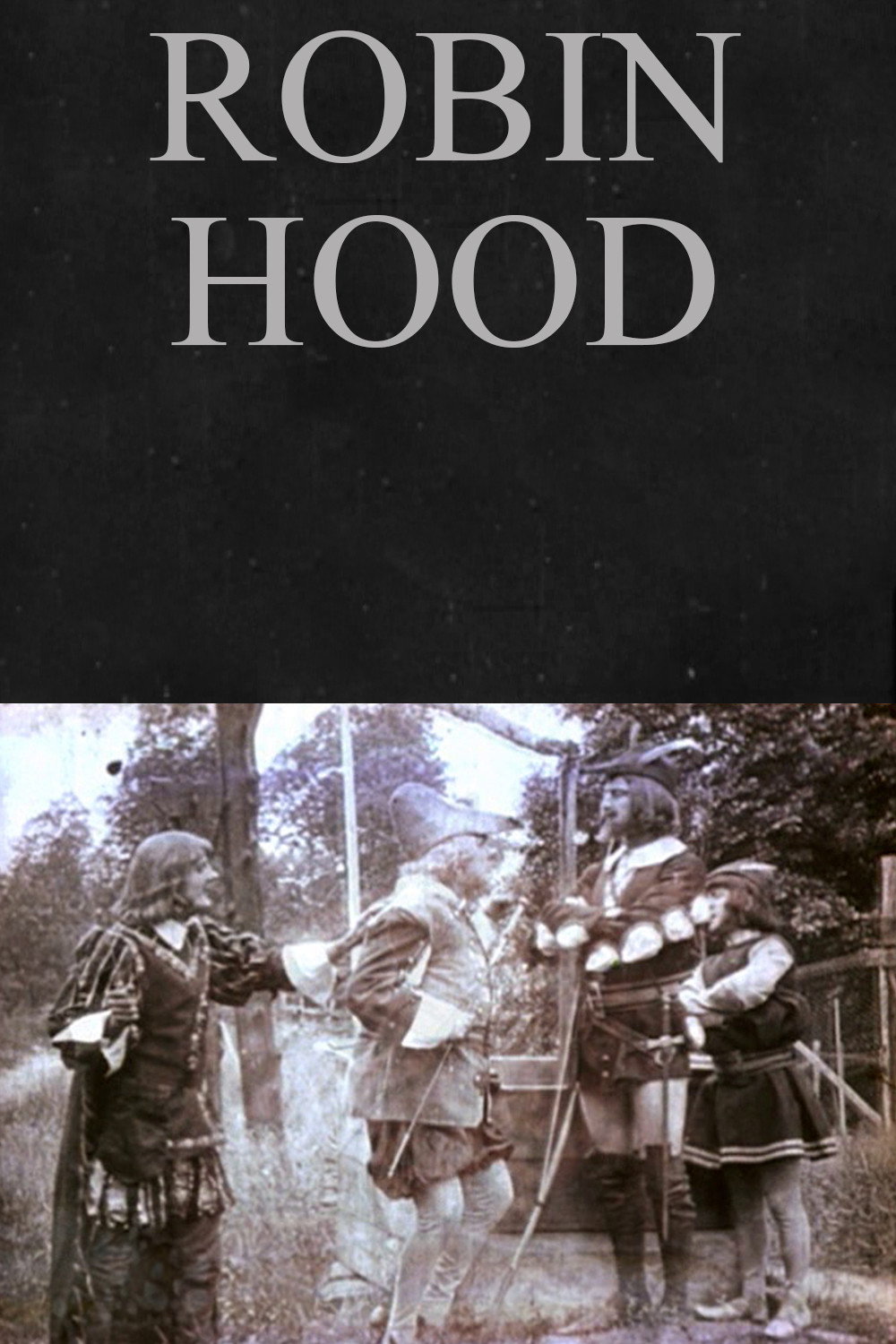
Robin Hood (1912)
Robin Hood WikiData IMDb TMDB
Robin Hood is a 1912 film made by Eclair Studios when it and many other early film studios in America's first motion picture industry were based in Fort Lee, New Jersey at the beginning of the 20th century. The movie's costumes feature enormous versions of the familiar hats of Robin and his merry men, and uses the unusual effect of momentarily superimposing images different animals over each character to emphasize their good or evil qualities. The film was directed by Étienne Arnaud and Herbert Blaché, and written by Eustace Hale Ball. A restored copy of the 30-minute film exists and was exhibited in 2006 at the Museum of Modern Art in New York City.