Gregory J. Markopoulos — Director (8)

Movie

Eros, O Basileus (1967)
Eros, O Basileus WikiData IMDb TMDB
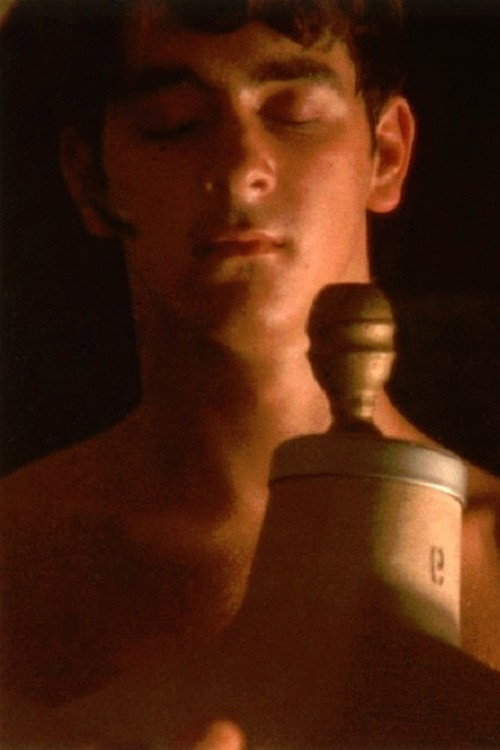
Structured in nine tableaux each a study of a simple action or situation involving a lone, naked figure, the blind Eros, searching for fulfilment, for self. The objects he touches - books, paintings - can be seen as icons of the creative spirit; there is also a motor cycle and film equipment. In succeeding scenes he appears to try on identities offered by institutional doctrines of religion and social traditions of (overt) masculinity. Much of the film was constructed in-camera with a small amount of editing afterwards. An innovation was the use of in-camera fade-outs as phrase markers, not as terminal points, within a single set-up or shot.
Movie

Psyche (1948)
Psyche WikiData IMDb TMDB
other title: Du sang, de la volupté et de la mort, part I: Psyche
Psyche 1947, made while a student at USC, shows Markopoulos’ developing style and his sensuous use of colour and composition. Shot in the Hollywood hills, the film was inspired by an unfinished novella by Pierre Louÿs. - Tate Modern

Movie

Gammelion (1968)
Gammelion WikiData IMDb TMDB
Gammelion 1968, filmed at Il Castello Roccasinibalda in Rieti, Italy, is a major work in Markopoulos’s oeuvre, marking the transition into his late period and anticipating his epic final film, Eniaios 1947–91. Shot with only two rolls of film, the work extends seven minutes of footage to almost one hour of viewing time using hundreds of fades in and out. - Tate Modern

Movie

Galaxie (1966)
Galaxie WikiData IMDb TMDB Eggplant.place
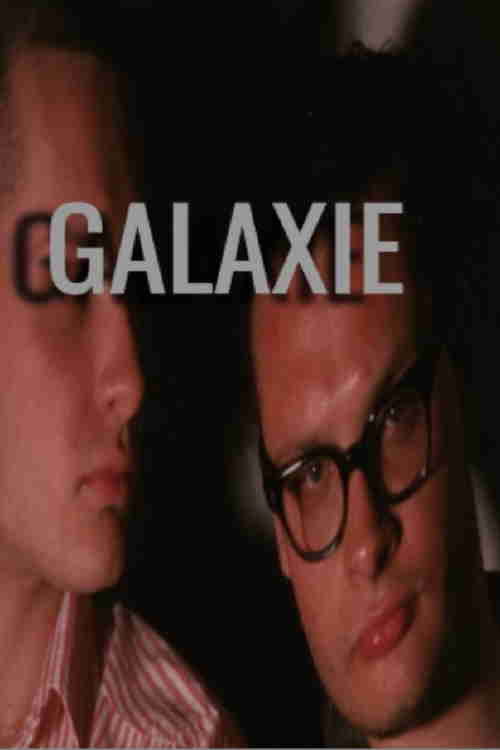
In March and April of 1966, Markopoulos created this filmic portrait of writers and artists from his New York circle, including Parker Tyler, W. H. Auden, Jasper Johns, Susan Sontag, Storm De Hirsch, Jonas Mekas, Allen Ginsberg, and George and Mike Kuchar, most observed in their homes or studios. Filmed in vibrant color, Galaxie pulses with life. It is a masterpiece of in-camera composition and editing, and stands as a vibrant response to Andy Warhol's contemporary Screen Tests. Preserved by the Academy Film Archive in 2001.

Movie

Twice a Man (1963)
Twice a Man WikiData IMDb TMDB Douban
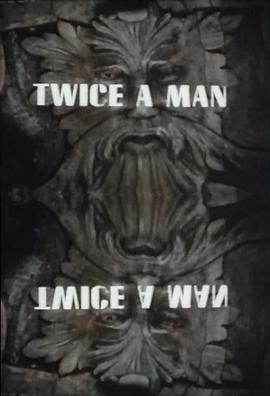
“Twice A Man is a fragmented re-imagining of the Greek myth of Hippolytus, who was killed after rejecting the advances of his stepmother. Markopoulos’ vision transposes the legend to 1960s New York and has its main character abandon his mother for an elder man. Employing sensuous use of colour, the film radicalised narrative construction with its mosaic of ‘thought images’ that shift tenses and compress time. One of the touchstones of independent filmmaking, Twice A Man was made in the same remarkable milieu as Scorpio Rising and Flaming Creatures by a filmmaker named ‘the American avant-garde cinema’s supreme erotic poet’ by its key critic P. Adams Sitney.” —Mark Webber Based on the story of Hippolytus. Featuring Paul Kilb, Olympia Dukakis, Albert Torgesen. Music: Excerpt from Manfred Symphony by Pyotr Tchaikovsky op. 58. Filmed in New York City, Staten Island, Long Island and Bear Mountain Park.

Movie

The Illiac Passion (1967)
Douban
格雷戈里·马科普洛斯 actor: Richard Beauvais / David Beauvais …
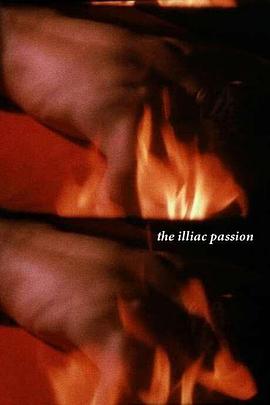
The Illiac Passion, which features chiaroscuro passages reminiscent of Anger's Inauguration of the Pleasure Dome of 1954, and incorporates 25 characters, is loosely based on Aeschylus ‘Prometheus Bound’.

Movie

Christmas USA (1949)
Douban
Here, Markopoulos uses fragmentary editing and intercuts between claustrophobic and mundane scenes of domestic life ?shaving, vacuuming, setting the table ?and images of the carnivalesque, the mysterious, the magical. While a young man gets ready for the day and interacts with his family, Markopoulos cuts in shots of carnival rides, a mysterious ritual taking place in the woods, and a strange dream-like scene in which the man gets out of the bath to encounter a creepy moving toy. The theme seems to be the discovery of the fantastic and the wondrous amid the trappings of the everyday.

Movie

Sorrows (1969)
Douban
乔治•马可波罗(George Markopoulos,1928-1992年)18岁时开始涉足前卫电影,其经典之作是三部曲《血》、《愉悦》、《死亡》(1947-1948年)。在随后的电影中,诸如《乡村少年》(Swain,1950年)、《一个人的两次》(Twice a Man,1963年)和《神秘事物》(Mysteries,1968年),他对色彩、作曲、节奏和碎片的结构叙事作出了原创性运用。马可波罗的电影常受益于经典希腊神话的启发,并结合他自己发明的结构手段探索一种抽象叙事,包括摄影机内编辑。以Aeschylus的《普罗米修斯的束缚》(Prometheus Bound)为蓝本的《Illiac Passion》(1964-1967年)影片角色中的神话人物由60年代的著名人物扮演,安迪•沃霍尔扮演波寒冬(Poseidon),杰克•史密斯(Jack Smith)扮演俄尔菲斯(Orpheus),泰勒•迈得(Taylor Meade)扮演斯浦瑞(Sprite),肯尼恩•金(Kenneth King)扮演安东尼(Adonis),贝法斯兄弟理查德(Richard)和大卫(David)扮演普罗米修斯(Prometheus)和他的良心。1967年,马可波罗移居欧洲,制作了一百多部电影,其中大部分是未完成的。