Mario Soldati — Director (12)
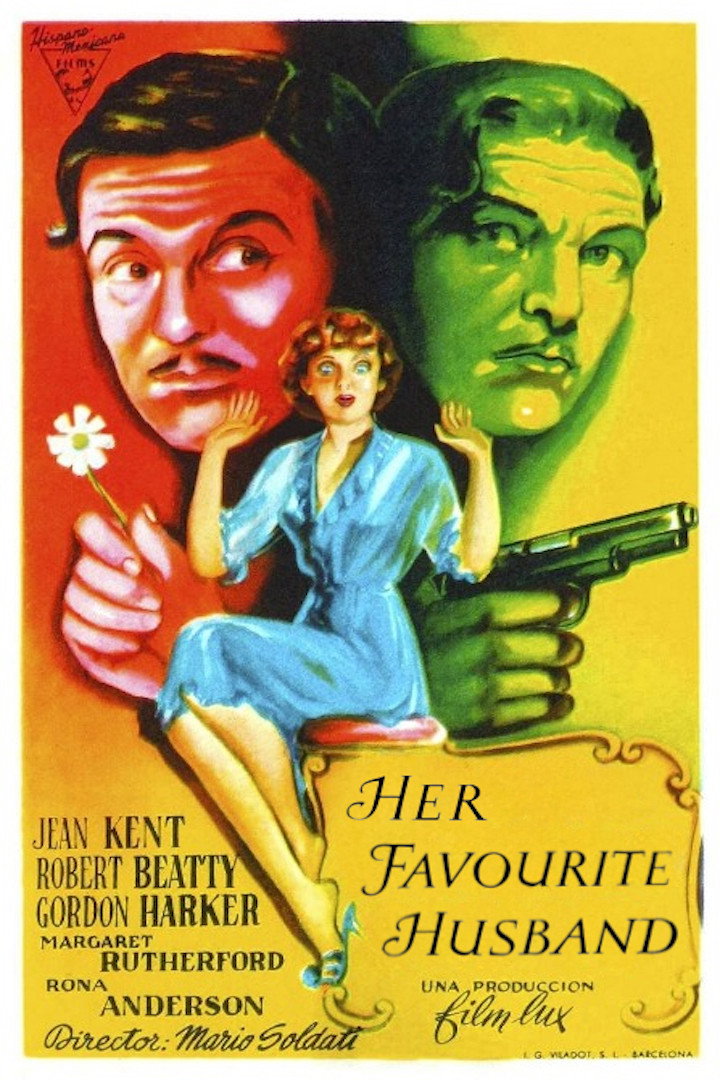
Her Favourite Husband (1950) [Movie] WikiData IMDb TMDB
Quel bandito sono io
director: Mario Soldati actor: Jean Kent / Robert Beatty
other title: Quel bandito sono io
While casing a bank he intends to rob, gangster Leo discovers one of the clerks, Antonio, is his exact double. He kidnaps Antonio and robs the bank, posing as Antonio. But Leo hadn't accounted for the involvement of Antonio's wife, Dorothy.
Woman of the River (1954) [Movie] WikiData IMDb TMDB
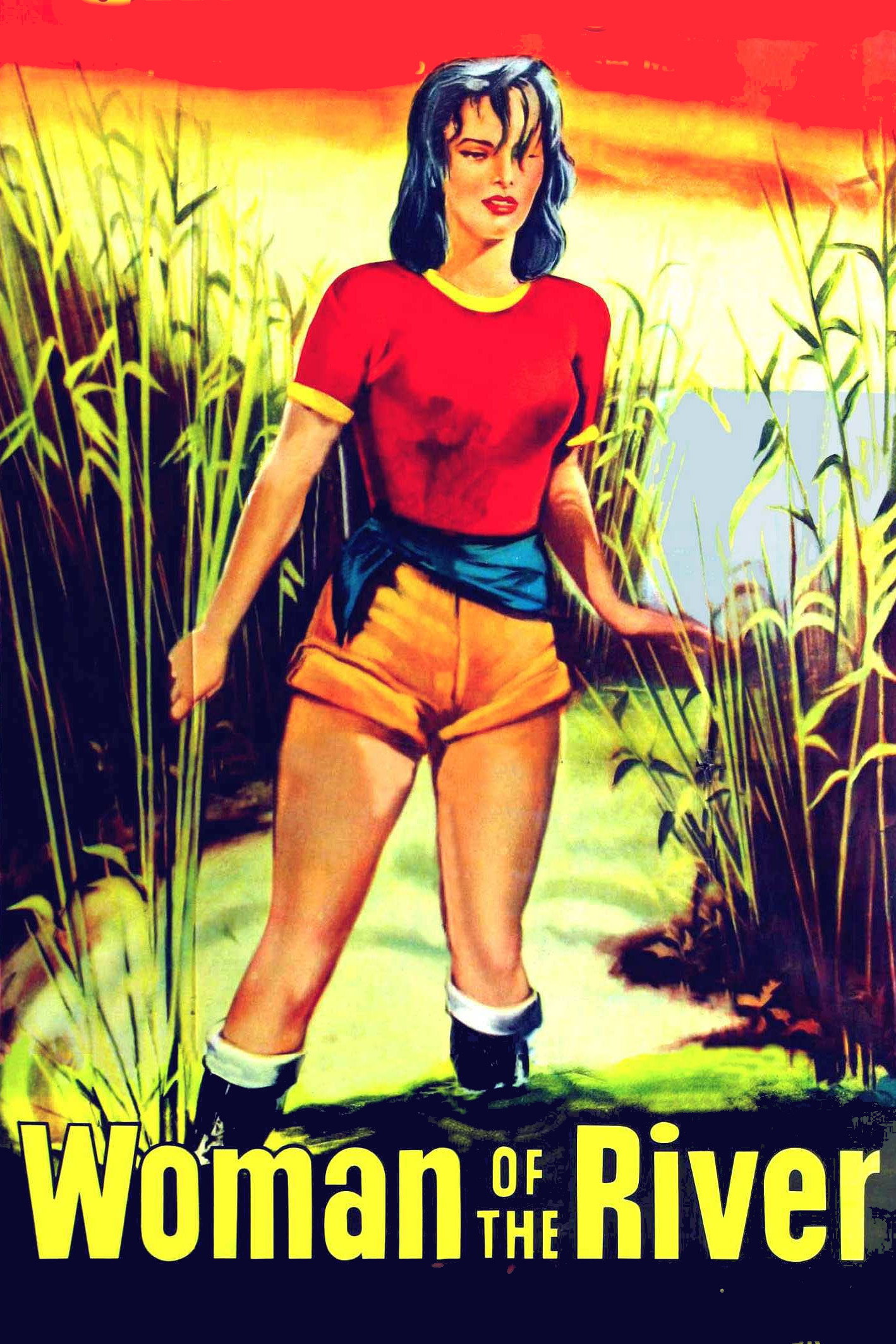
La donna del fiume
director: Mario Soldati actor: Sophia Loren / Gérard Oury
other title: A Mulher do Rio / Die Frau vom Fluss
When peasant girl Nives is deserted by smuggler Gino Lodi, she betrays him to the police. Police officer Enzo Cinti, who loves Nives, traces her to the Po River cane-fields, where she is working as a cutter to support herself and an infant son, and warns her that Gino has escaped from prison and is seeking revenge. She rejects his offer to protect her. Gino finds Nives, mourning the drowning death of their son. He surrenders himself to the police and then walks at Nives' side in the funeral procession.
The Virtuous Bigamist (1956) [Movie] WikiData IMDb TMDB
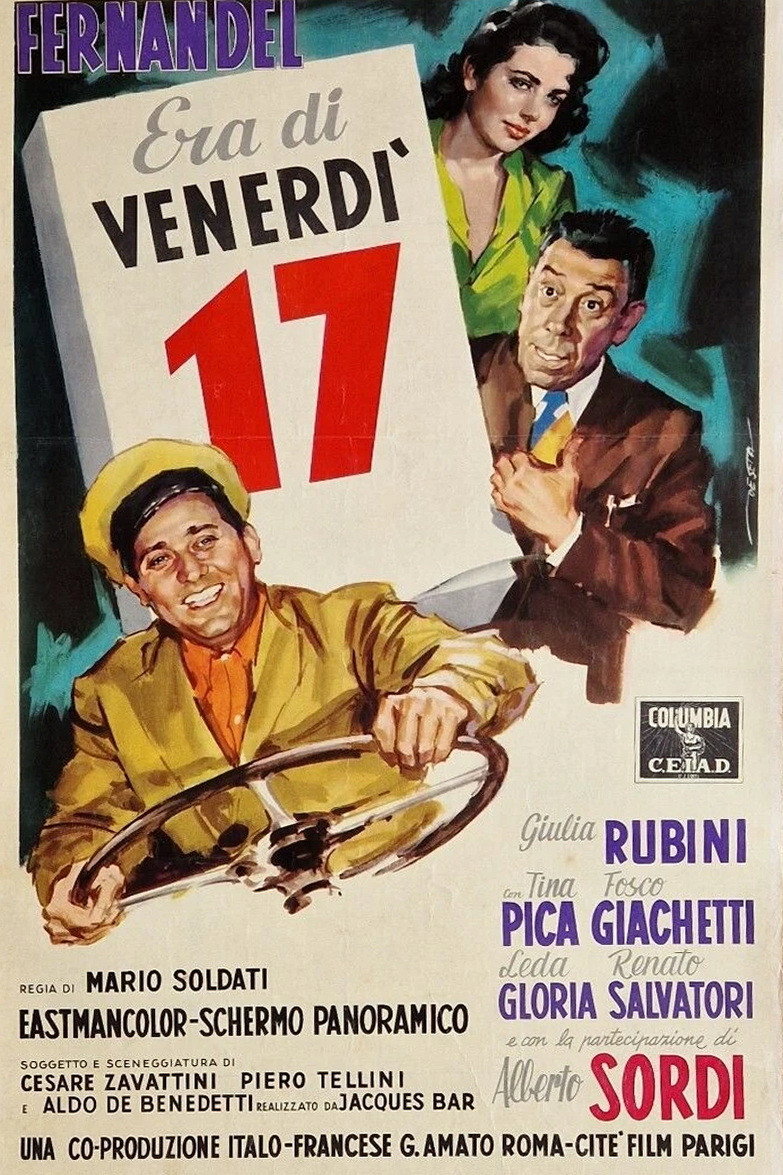
Era di venerdì 17
director: Mario Soldati actor: Fernandel / Giulia Rubini
other title: Vater wider Willen / Sous le ciel de Provence
The Provence, somewhere in the 1950's. Paul Verdier, traveling salesman, leaves his home and his quarrelsome wife for his weekly round. On the train he meets a young woman, Marie, who looks a little lost. No wonder. Marie is pregnant but lacks the customary husband. She's returning to her village but is not exactly looking forward to the confrontation with her parents and the villagers, all pretty conservative people. After getting to know Paul a little better (for which there is ample time during the trip by train and bus) Marie decides to ask Paul to act as her husband, just to allay the suspicions of her family. After some hesitating Paul accepts, charmed by the girl and unaware of the complications such is bound to cause to his own life.
Of Life and Love (1954) [Movie] WikiData IMDb TMDB
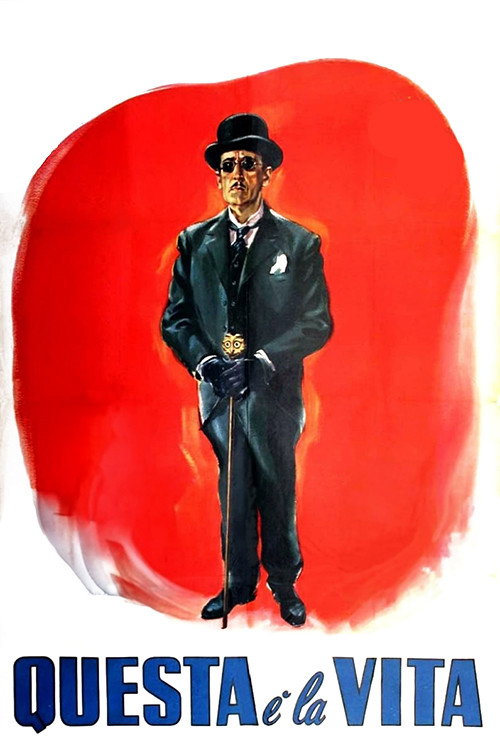
Questa è la vita
other title: 生活與愛情之間 / 生活与爱情之间
A film made up of four episodes: a jar repairer gets trapped in a vat because of his hunch; a young unmarried mother is forced to beg to buy herself a fan; Rosario Chiarchiaro appears before a law court for casting spells; the discomfort of an overtight jacket gives a wedding witness the strength to persuade the bridegroom's reluctant parents to bless his union.
Malombra (1942) [Movie]
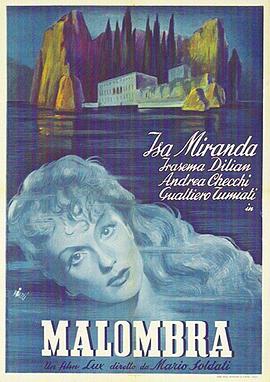
Malombra
other title: 马隆布拉
This utterly gorgeous Gothic melodrama would be widely hailed as a masterpiece, had it not been made in Italy during the Mussolini regime. A gross injustice, as Malombra - unlike Piccolo Mondo Antico, Mario Soldati's earlier film of an Antonio Fogazzaro novel - contains not one moment of triumphalist flag-waving or Fascist family values. Oddly akin to Rebecca in its atmosphere of death-haunted romance and voluptuous doom, it reaches a peak of visual refinement of which Hitchcock could only dream.
Its star is Isa Miranda (famous, and not without reason, as Italy's answer to Garbo and Dietrich) playing a headstrong but unstable young noblewoman, confined by her uncle to a gloomy villa on the shores of Lake Como. A yellowed and crumbling letter, found in an old spinet, convinces her that she is the reincarnation of her uncle's first wife - another troubled beauty who died a virtual prisoner after being caught in a forbidden love affair. When a handsome young writer (Andrea Checchi) comes to stay, Miranda decides that HE is the reincarnation of the dead woman's lover. Gradually, she lures him into her web of sex and revenge...
What more to say without spoiling the fun? Miranda gives a performance to rival any of the great divas of Hollywood. Only Davis and Stanwyck, perhaps, could play a bad girl so boldly without losing all sympathy. The evocation of 19th century aristocracy, in its full decadent splendour, is visually and dramatically flawless - a model for such later Italian gems as Visconti's Senso and The Innocent.
It helped, perhaps, that Soldati himself was a leading novelist. Blessed with an absolute respect for the classics he adapted, but in no way inhibited by them. He was also the guiding spirit of the now-forgotten 'calligraphic' movement, which brought the Italian cinema to such wondrous aesthetic heights during World War Two, only to collapse before the horror of Neo-Realism. Can we blame Soldati for giving up film-making in disgust and going back to writing novels?
So if you've ever felt (as I do) that Rossellini's much-touted Rome - Open City is the work of an amateur...well, Malombra is the film you have to see!