James Kent — Playwright (3)

Movie

Chopin Saved My Life (2012)
Chopin Saved My Life Douban
other title: 肖邦拯救人生
肖邦的《G小调第一叙事曲》总长仅九分钟,诞生至今已有近二百年,却依然有着特殊的魅力,不但在视频网站上创下数百万的点击率,更影响着今天许多人的生活。本片讲述了两个普通人——苏格兰青年保罗和日本中学生桃香,在各自经历了人生的不幸之后,因肖邦的叙事曲而重新振作,勇敢面对今后的生活。伊莫金·库珀、弗拉基米尔·阿什肯纳齐、朗朗、斯蒂芬·霍夫等钢琴演奏家也将轮番登场,详细剖析这首不同寻常的钢琴曲,为我们揭开音符中的奥妙。 This hour-long documentary, directed by BAFTA and Emmy award winning director James Kent, meets Japanese teenager Momoka and Scottish music student Paul Murray to explore how Chopin’s extraordinary Ballade Number 1 transforms the lives of ordinary people and illustrates how classical music still penetrates contemporary life in unexpected and powerful ways. Momoka, is a 15-year-old pianist from Sendai, Japan, whose community was decimated by the 2011 tsunami and earthquakes. For Momoka, the Ballade embodies the anguish and rebellion she feels but doesn't allow to surface. For 22-year-old Paul from Glasgow, the piece is life-changing. Paul grew up in Bellshill, a working class suburb of Glasgow. He first played piano at 15, and it opened up a whole new world for him. During his first term studying on the B.Mus (Hons) degree programme at the University of Aberdeen, Paul was diagnosed with a brain tumour and then MS which both eventually caused him to lose the ability to walk and to play with his right hand. Waiting in his hospital bed in between operations over three months, he played the Ballade again and again on the iPod his dad Stephen had given him. It was that single piece's emotional pull that Paul credits with the return of his memory. Paul told us some more about his involvement in the programme: "I have been for some time now transcribing the Ballade in g minor for the left-hand alone. The reason being I played this piece back in high school and with the medical complications lost the ability to play perhaps my favourite piece of all time. Luckily for my this piece was going to be the subject of a major documentary and with my story and attachment to the Ballade I was selected to be involved!" The film includes interviews with some of the world's greatest pianists including Stephen Hough, Lang Lang and Vladimir Ashkenazy. It was shown on Channel 4 in August and trailers can still be viewed on YouTube: / The documentary was awarded 2nd place in the 'Halo' Best Arts Documentary award category at the awards ceremony on Monday, 4 November 2013 at the Queen Elizabeth Hall at London’s Southbank Centre. The ceremony was filmed and shown on Sky Atlantic.

Movie

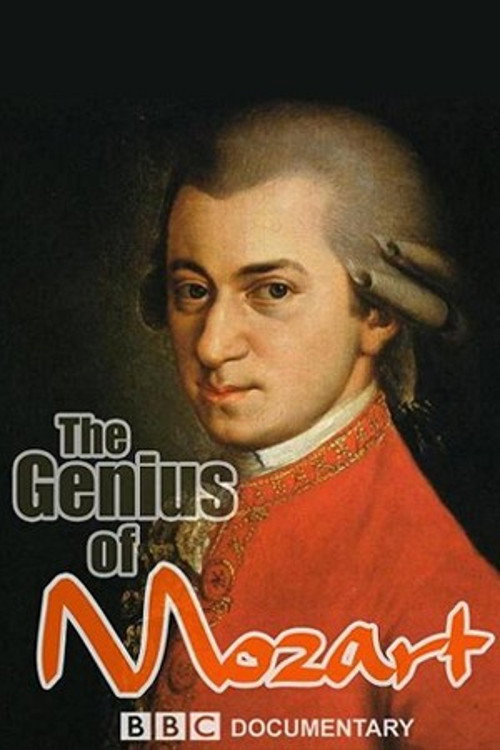
BBC: The Genius of Mozart (2004)
BBC: The Genius of Mozart Douban
詹姆斯·肯特 actor: Ed Pearce
other title: 天才莫扎特 / BBC 天才莫扎特
The story begins with the composer's father Leopold with whom Mozart conducted a passionate and tortured correspondence. It is Leopold who knows Mozart's secrets. And there is another voice: that of the music itself. Music is the key to unlocking the emotions of Mozart, starting in this film with the great piano works. Without this key, how can we ever understand the emotions that gave birth to some of the most beautiful sounds the world has ever heard? The first great phase of Mozart's brief life was that of the travelling child prodigy - gifted as a performer and writer of music - who grew into the genius who, working within the restrictions of his time, began to rewrite the musical rules.But there was another facet to Mozart - the adult thinker aware of the bigger picture, passionately attached to the progressive values of the Enlightenment - impressively well-read, a speaker of most European languages (even a little English), an Austrian Catholic, a Freemason and above all a composer at the height of his formidable powers, determined to succeed in the most difficult and lucrative area of all - Opera. Towards the end of his life, Mozart mastered the language of instrumental and orchestral writing - and how both love and loss provoked in him an extraordinary burst of creativity. This was essentially crystallised in three ambitious works that changed the future course of music: his last, great trilogy of symphonies - numbers 39, 40 and 41 - which he wrote in six short weeks.