
Yen Yi-wen — Actor (30)

Movie
Family Matters (2025)
我家的事 WikiData IMDb TMDB Douban
other title:
我が家の事
/
我家的事
Elder sister, Spring, seeks her origins before heading to university, Autumn, the mother, grapples with conceiving a child through artificial insemination, Summer, the younger brother, tries to engage with a paternal figure he barely knows just before his military service, and Winter, the father, desperately tries to change his fate as problems mount up.

Movie
Daddy-To-Be (2022)
有了?! IMDb TMDB Douban
other title:
有了?!
/
できちゃった?!
As Jun waits leisurely to enlist in the army, everything starts to go sloppy after two lines appear on his girlfriend’s pregnancy test. Jun, who lost his father as a child, is at a loss because of his sudden “fatherhood”. Meanwhile, his mother Jia-ling gives Jun a golden watch, a relic from his father. Looking at the oldfashioned watch, Jun wonders if he can become a reliable man.


Movie
After School (2023)
成功補習班 WikiData IMDb TMDB Douban
other title:
成功补习班
/
成功補習班
…
As they are going to visit their former teacher, Micky, who is seriously ill, three men who were buddies back in their high school years are reunited. Moreover, they go back to the old cram school, reminiscing about their rebellious youth. In the 1990s, that cram school was known for its strict rules and the trio, who loved making trouble, had given the director a big headache until Micky arrived as a new teacher. He not only tamed the boys but became a good friend to them. Micky often talked about romantic relationships and sexuality to the students and made documentaries to speak up for the gay community. It is because of him that the students got to understand the homosexual or even themselves.

Movie
傻瓜与睡美人 (2016)
傻瓜與睡美人 Douban
other title:
傻瓜與睡美人
/
红酒炖牛肉
…
葉晨曦(白歆惠)在丈夫趙永傑的幫助下,開了一間廚藝教室,教導學生料理。但是,受到器重的指揮家永傑,三不五時就得到國外出差,常常留下寂寞孤單的晨曦,一個人在台灣。
李峰(鐘承翰)也是寂寞的都市人之一,放棄了人人稱羨家族事業,待在家裡當家庭主夫,期待能多一點時間,陪伴常加班到深夜的妻子蘇莉雯。李峰透過網路找到晨曦開的廚藝教室,想去學幾道菜,為加班回家的老婆端上熱湯熱菜,慰勞她的辛苦。
沒想到,因為處境一樣寂寞,兩人越走越近,對彼此甚至有了不單純的情愫,本來平靜的婚姻有了波瀾,兩對夫妻都面臨了婚姻破碎的考驗。李峰及晨曦開始 檢討自己對婚姻的付出,究竟值不值得?永傑及莉雯為了挽回婚姻,開始重新調整工作型態,將重心擺回家庭,只是這一切來得及嗎?兩對夫妻能有圓滿的結局嗎? 在婚姻裡,究竟誰才是沈睡的那個人,哪個人又是只知道付出的傻瓜?


TV
含笑食堂 (Flavor of Life) (2013)
part of TV Series: 含笑食堂 Douban美麗的宜蘭,美麗的陽光農園,住著美麗的三代女人
60歲的秋鑾、40歲的含笑、20歲的心慧,
她們溫柔卻勇敢,善良卻智慧,
任何的逆境,她們也能牽手走過。
秋鑾,可以不在意丈夫多年棄家,留在小三身旁,
含笑,可以成全深愛男人的孝心,默默放手離去,
心慧,有了阿嬤和母親的愛,單親的人生空缺不算什麼…
四十歲生日那天…
含笑終於辭去當初為五斗米折腰,與夢想背道而馳的房仲專員工作
決定將父母經營的食堂重新開張,展開新人生…
然而,
棄家多年的父親貴德罹患失智症,被外遇多年的對象送回家裡…
面對拋家棄子的丈夫,重回家庭懷抱,秋鑾情何以堪?
20年不曾享受過親情的含笑姊弟與心慧,如何調適?
跟隨記憶,老父回到家中…
追隨夢想,「含笑食堂」重新開張與經營…
含笑,發現做女兒、做自己的老闆,原來都是這麼不容易…
從此以後,含笑的人生,再也不一樣,
母親的委屈、自己的承擔、女兒的感情波濤,
將驅使她直接面對女人和女人之間,彼此在不同角色上的另一種心情與態度…
在老天近乎捉弄的安排下,
種種逆境,看似委屈,
走下去才知,
一切都是最好的安排…
含笑食堂,
來自百年老街上,20、40、60的三代女人…
面對人生挑戰的愛情智慧和婚姻哲學。


Performance
A Dream Like A Dream
Douban
赖声川
genre:
theater
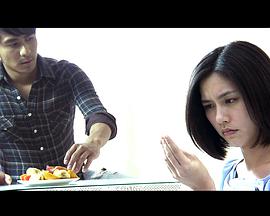
故事發靭於《西藏生死書》第 269頁,敘述一位醫學院剛畢業的學生第一天到醫院上班,結果病房中五位病人,當天死了四位。這位醫生恐慌的發現,她多年來在學校的訓練和所學的技能,完全沒有教她如何面對死亡的這一刻。她只能站在一邊,當一個無助的旁觀者。醫生的表妹告訴她,西藏密宗有一種「自他交換」的方法,可以幫助瀕臨死亡的病人,如果做不成,也可以傾聽病人敘述他們自己的故事,也會對病人有很大的幫助。醫生花很多時間接近瀕臨死亡的「五號病人」,讓他說出他的故事,從他的故事進入其他角色:五號病人的妻子、來自大陸的江紅、上海年近百歲的奇女子顧香蘭、法國領事亨利伯爵的故事,以及他們的夢……於是角色的今生、過去的前世及死亡交織在一起,幻化成生命的旅程。

Movie
我愛耳邊風 (2009)
Douban
郑皓诠
actor:
张毓晨
/
郭彦甫
…
other title:
人生劇展:我愛耳邊風
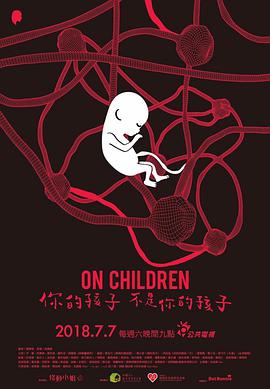
有些人在爱情裡昏了头,除了爱慕的人之外谁也看不见;有些人追求不切实际的美梦,却看不清眼前清晰的现实。每个人或多或少都会在某些时刻、面对某些人或某些问题时,心理上的昏迷指数会突然从15降到3之间不等。而选择逃避、依然故我,或对他人视而不见、充耳不闻。冰冰(张家慧 饰)是一位纯朴天真的傻大姐,有一位交往多年的男友芋头(郭彦甫 饰),两人的感情稳定而甜蜜。冰冰一心怀著明星梦,这天,她终于如愿的得到试镜的女主角,却因为她的粗心出了车祸。然而,爱幻想的她,在昏迷的情境裡,建构出一个想像世界;而在现实中,躺卧病床上的她,却在仅存一丝可以甦醒的意识中,选择继续昏迷…《我爱耳边风》尝试以奇幻的形式,清新的观点,幽默诠释现代男女之间既亲密又疏离的互动关系。

Movie
Way Back Into Love (2011)
愛。回來 Douban
other title:
爱回来
/
愛。回來
杨晓晴,一个带着五岁女孩回到家乡花莲的女子。过去,她以优异的成绩,到了都市就学,大学毕业后又远离家乡,远赴美国。 30岁那年,她回到了家乡。 在无可奈何、却也顺应情势的状态下,接下父亲经营的民宿……回到家乡,回忆以往,她才知道,乡愁一直都在,家乡才是她一直想望的地方。 原本只是回家参加母亲过世两周年祭日的晓晴,发现父亲为了母亲心愿而经营的民宿,竟然欠下银行不少贷款,面临被拍卖的危机。为了父亲的身体健康,晓晴力劝父亲卖掉民宿,安心养老,父亲却坚持不卖。就在两人立场不同而争吵之后,父亲因修理房子而摔断腿,晓晴意识到父亲随时可能离去,自己不能再丢父亲一人在台湾。晓晴决定留在台湾,帮助父亲解决债务并继续经营民宿。晓晴辞去美国的工作,并请人将重要的东西寄回台湾。没想到,寄回来的,除了行李,还有一个五岁的小女孩,HOLLY!

Movie
An Impossibly Small Object (2018)
An Impossibly Small Object WikiData IMDb TMDB Douban
王洪飞
actor:
王洪飞
/
卢燕
…
other title:
小玩意
A Dutch photographer (played by David Verbeek himself – also a talented photographer in real life) takes a picture of a girl in a parking lot in nighttime Taipei as she plays with her kite. The photo transports us into her life. She is eight years old and is about to lose her best friend, a boy from a wealthy family who is moving to America. Back in the Netherlands, the photographer is confronted with his own constant loneliness. The photo of the girl evokes memories of his own childhood, when he still felt at home somewhere.



TV
My Dear Boy (2017)
Douban养成一个好男人,需要良好的家庭教育外,爱情是进阶的必要课程。男孩在爱情里受了伤,于是一点一滴的成熟为一个男人,但那慢慢愈合大的痂大多是丑陋的,它教育了男人怎麽用自私武装自己的恐惧、以名利成就自己的筹码。有一种幸运的男孩,他会遇到生命中的贵人,那贵人往往是一位「好姊姊」。关于那些好姊妹教他们的事,是实战的、非教条的、生动而且造就了一段美丽的回忆。
罗小菲(林心如 饰)是从基层做起的广告公司CF导演,与安庆辉(张轩睿 饰)有段姊弟情;广告公司老板萧也时(高圣远 饰),是个有品味的熟男,演艺圈颇负盛名的姊姊级女神是他稳定交往多年的女友。小赖(李李仁 饰)是名公务员,平时是辅育院义工,下班后成了国标舞舞者。