Kōji Wakamatsu — Producer (16)

Movie

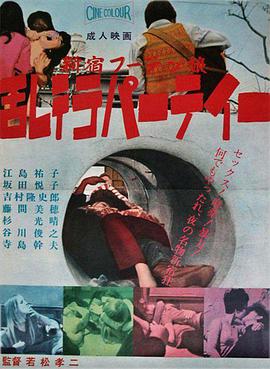
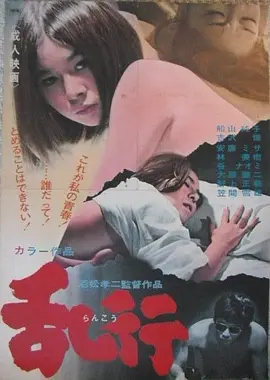
The Orgy (1967) WikiData IMDb TMDB Douban
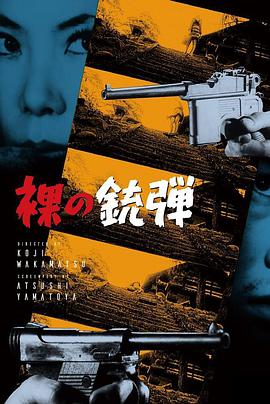
乱行
director: 若松孝二 actor: 吉沢健 / 渡美樹
other title: Ranko / 乱行 …
A professional hitman, turned against the world that made him and sensationalizes what he does, kills in the hope to one day take back pieces of his past. It's a world void of connections, trust or meaning, embroiled by fleeting encounters with fugitive women, who along with the other usual croutons sprinkling similar films of the time - diversions and subversion, greed and hijinks, the nameless political element, egalitarian dreams coming up against walls of economy - make a Wakamatsu salad where every ingredient has its untold price that everyone will be made to pay.

Movie

Hika (1971) IMDb TMDB Douban
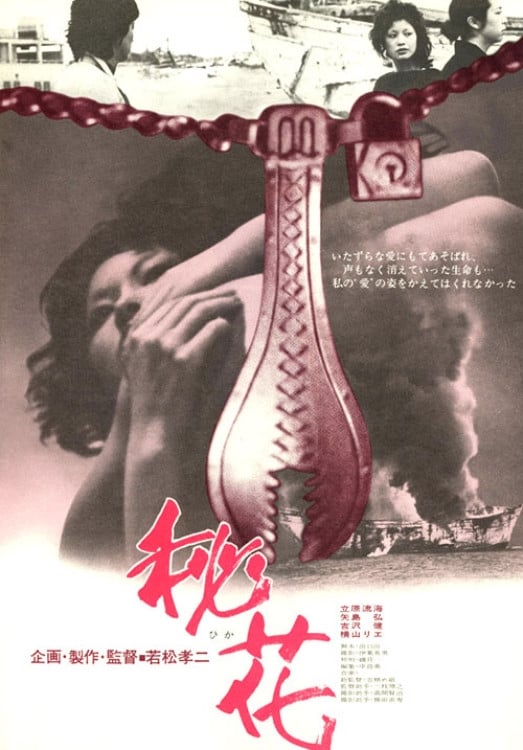
秘花
director: 若松孝二 actor: 横山リエ / 吉沢健
other title: 秘花 / La Fleur Secrète …
A very rare ATG distributed Wakamatsu, starring Ken Yoshizawa and Rie Yokoyama as two pieces of a destructive love-triangle. Has all the usual Wakamatsu themes of politics, suicide and twisted love, as well as stylish Hideo Ito cinematography and great use of the more or less single set (a beach with an abandoned boat on it). As there's not that much dialogue, it could make a fairly 'easy' translation project (hint hint)

Movie

The Embryo Hunts in Secret (1966) WikiData IMDb TMDB Douban
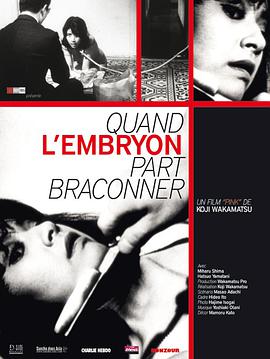
胎児が密猟する時
★ 7.1 (7 ratings) director: 若松孝二 actor: 山谷初男 / 大谷义明
other title: 胎儿密猎时刻 / 胎児が密猟する時 …
A man keeps his girlfriend tied up in his small apartment and tortures her. She is undressed, subjected to various types of bondage, whipped, and tortured with a razor blade.

Movie

Wet Dice (1974) IMDb TMDB Douban
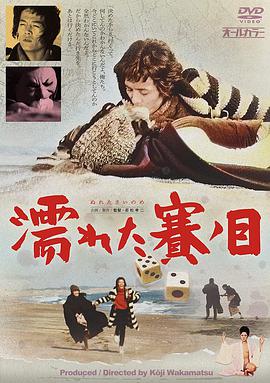
濡れた賽ノ目
director: Kōji Wakamatsu actor: 司美知子 / Hatsuo Yamaya …
other title: 濡れた賽ノ目 / Nureta sai no me …
Kayo, who is famous for her beauty, own a bar in a port town. The establishment is always crowded with customers infatuated with her. For the past three years, Kayo has been in a relationship with Murakami, a city councilman. One day, a young man and woman, Jun and Yoko, come to town. They are planning to stow away somewhere, but no one will take them in. Exhausted, they happen to come to Kayo's bar. Eventually, Kayo's past and the man she used to be with are revealed, and Jun and Yoko's desperate actions lead to the story's conclusion...

Movie

Seihanzai (1967) IMDb TMDB Douban
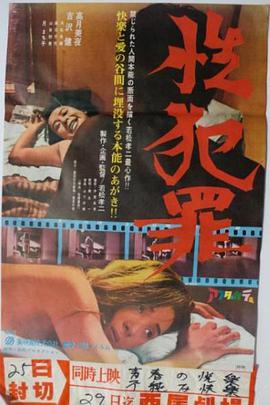
性犯罪
director: 若松孝二 actor: 吉泽健 / 高月美夜 …
other title: 性犯罪 / Sex Crimes
About the escape of a boy and his girlfriend who murdered a friend. Inspired by Godard and the nouvelle vague movement.

Movie

Dark Story of a Sex Crime: Phantom Killer (1969) IMDb TMDB Douban
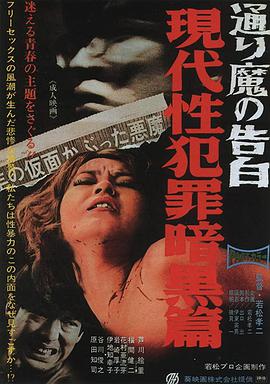
通り魔の告白 現代性犯罪暗黒篇
director: 若松孝二 actor: Kenji Fukuma / Eri Ashikawa …
other title: 現代性犯罪暗黒篇 ある通り魔の告白 / Gendai sei hanzai ankokuhen: aru torima no kokuhaku …
The film follows a frustrated young man who yearns to be in the company of women. If at first he seems unable to make any kind of meaningful connection with them, he awakens dark feelings that will drive him to commit violent crimes after his first sexual experiences.

Movie

The Woman Who Wanted To Die (1971) WikiData IMDb TMDB Douban
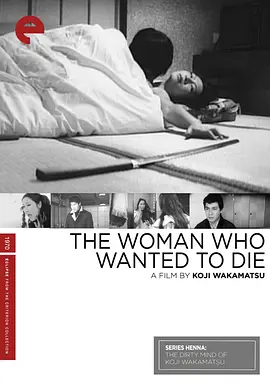
性輪廻 死にたい女
director: 若松孝二 actor: 島絵梨子 / 矢島宏 …
other title: 性轮回:寻死之女 / 性輪廻 死にたい女 …
While Mishima has just committed suicide in public, two couples accidentally meet in an inn in the countryside: the man and the woman, now with different companions,had known each other years ago…

Movie

A Womb to Let (1968) IMDb TMDB Douban
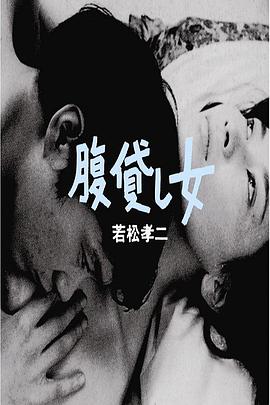
腹貸し女
director: 若松孝二 actor: 門麻実 / 吉沢健 …
other title: 代孕女 / 腹貸し女 …
A slightly experimental entry by Wakamatsu that is full of the 60s hippy culture. A wife with a fertility problem wants to use her sister's womb to have children, but her sister is enjoying her boyfriend and sexual freedom. The husband is a commanding chauvinist and this soon turns out to be an uninteresting study on authority, patriarchy and conservatism vs. free love and youth culture. The cinematography uses many artsy superimpositions, compares a man breathing hard while running, to sex and gynecology visits, and employs mixtures of color, tints, B&W, and dream sequences while the people have sex, orgies and a bloody abortion.

Movie

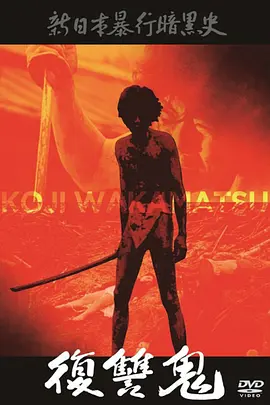
New Underground History of Japanese Violence: Vengeance Demon (1969) IMDb TMDB Douban
新日本暴行暗黒史 復讐鬼
director: Kōji Wakamatsu actor: 吉沢健 / 津島明子
other title: 新日本暴行黑暗史·复仇的恶魔 / 新日本暴行暗黒史 復讐鬼 …
A brother and sister live as outcasts from their hamlet due to a belief that mental illness runs in their family. A group of villagers plot to steal their property by beating and hanging the brother and gang-raping the sister. Believing the brother to be dead, scheming to kill the sister, and making both deaths look like accidents... unbeknownst to them, the brother survives and proceeds on a mission to slaughter those responsible in the hamlet.

Movie

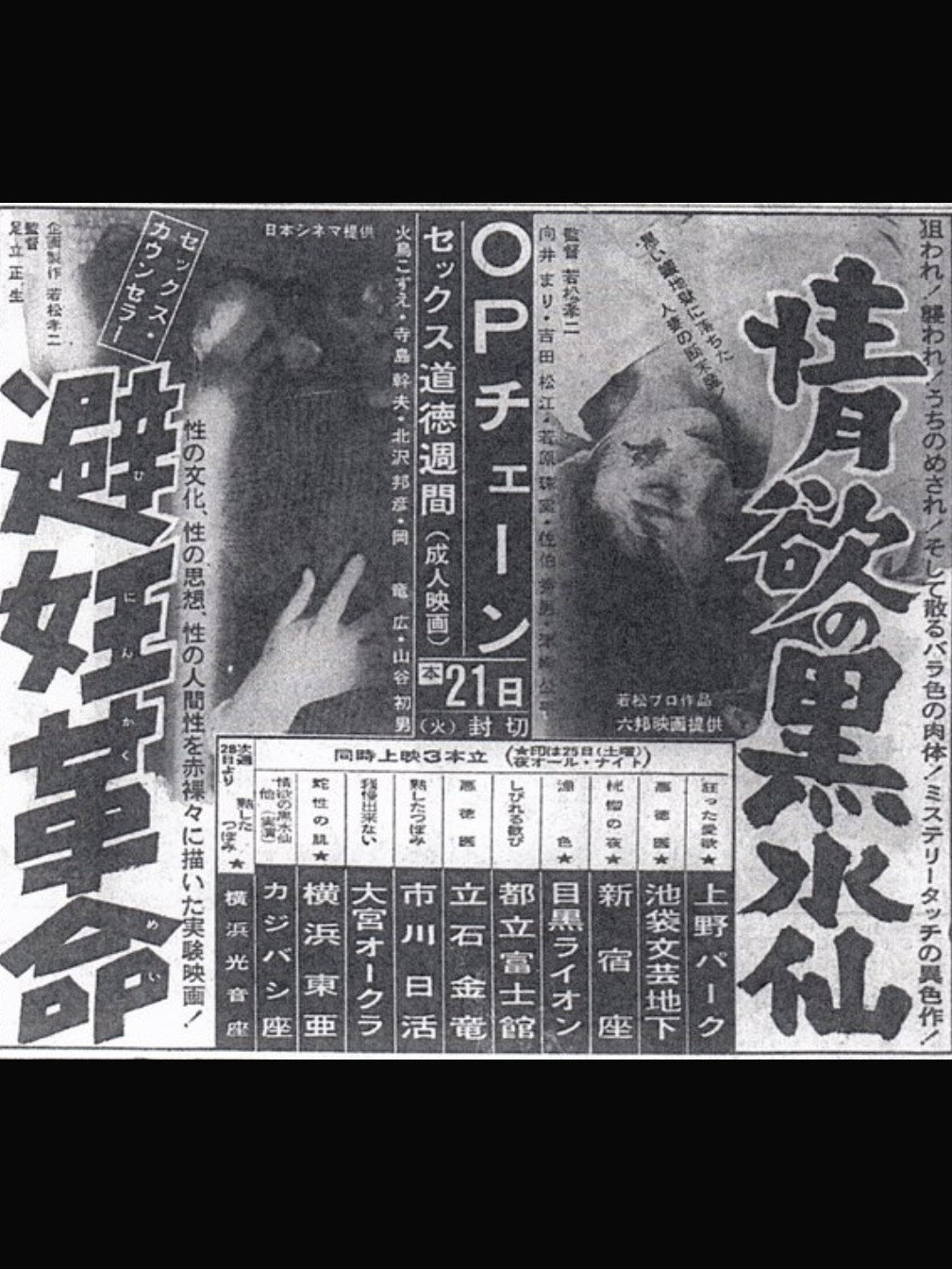
Shinjuku Mad (1970) WikiData IMDb TMDB Douban
新宿マッド
director: 若松孝二 actor: 谷川俊之 / 江岛裕子 …
other title: 新宿的疯狂 / 新宿マッド …
*Shinjuku Mad* was one of
Koji Wakamatsu's six films from 1970. Grim and gritty, stark and steady, burdened with anti-moralizing, generously padded with sex, and totally redeemed by a soundtrack that needs to be released NOW. I knew nothing about this film, loading it up on to my laptop, and every last one of this film's sixty-sixty minutes kept me riveted.
Bear with me. The film opens with the band cycling through a jazzy rave-up, the black and images depict dead Japanese throughout a modern city. From the alleyways of the slums, to center of the park, you catch glimpses of bodies everywhere. This introduction is capped off by a lingering shot of a blood-soaked naked woman, face down. By this point, the band has reached a sort of peak. There's a cut, the band changes the direction of the song a bit, and then we're treated to a series of exterior shots from downtown, the lunch hour, maybe. You see a lot of storefronts and stairwells, people moving about. All of the people in these splices are done in negative image.
What follows can only be described as harrowing. After the credits, the reel switches to color. We're treated to the on-screen stabbing of a young man in a toga, his attackers strip his special lady-friend of her toga, spend about two minutes smearing her breasts with still-warm blood, and then take turns raping her. She doesn't seem to put up much of a fight. The scene is lensed with all of the enthusiasm of a television spot for a whole foods market.
Well, that's a fucked up way to start a movie. If you're still reading, I'll have you know the brutality eases up a little, but the camera's tendency to seek out each scene's more lurid details is relentless. The band never lets up, either. Another constant feature of the film is the protagonist's alienation from society. That's a pretty dated-concept, in a way. This film is cashing in on what could loosely be called the Existential demographic in 1970's Japan. Parts of it could have been written by Oe. Others by Mishima. It definitely, at times, addresses a bit of that lingering air of revolution, but more on that later.
The father of the kid stabbed in Technicolor shows up in the nest reel, in the same apartment his son was murdered in. This confused, grieving father asks a totally baked Shoko Asahara for information about the events leading up to his son's death. The long-haired no-goodnik is toking on a Sharpie-sized doobie. He gets so fucking high he passes out and the dad is left there in the empty apartment, getting a major contact-buzz.
So, the plot is basically that kind of exchange in larger and larger settings, intercut with glorious shots of the disillusioned father walking through industrial slums. The father, searching for the "Why" to his son's death goes on his quest and pisses just about everyone he comes into contact with off. He goes into subway stations and totally kills some beatniks' buzzes. Then he bullies a Hare Krishna ROCK AND ROLL SUPERSTAR and his belly-dancing percussionist at a park. Then he heads off to a bar, and we're treated to what must have been Tokyo's Greatest Garage Band getting low-down and sleazy here. This scene pretty much sums up what the film is about. As you dig the scuzz and the fuzz, the camera catches all manner of degeneracy and wanton reefer-use. And the bar has no less than three groups of people making out. And they get excessive with the groping.
Eventually, the father catches the ringleader of the vicious band of murderer-rapists. "Shinjuku Mad," is his name. After an unbelievably long and convoluted exchange between the protagonist and Shinjuku Mad, it comes out that Mad and the boys are rebelling against all of Japan. It's open season on everyone but them. His son was only a casualty, nothing personal. Their intent is to go on rebelling against society through random acts of violence against people and property.
After going through all the trouble of finding Shinjuku Mad, the old man's mind is blown by revolution for revolution's sake. After a few pummellings, he manages to turn the fight around. He winds up leaving with a nude girl that had been tied to a post for the entire scene.
He goes back to the apartment his son was murdered in to find his special lady-friend naked with six other dope-smoking cats grooving on free love and blue balls.
He decides he's happier with Shinjuku Mad alive and kicking, the band is at another one of its high points, and the camera pans out to the railroad yard, telephones wires, and the bare sides of modern buildings.
That was Japan, thirty-seven years ago.
Movie

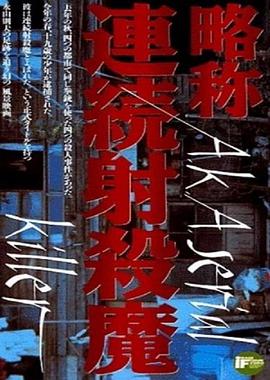
A.K.A. Serial Killer (1969) WikiData IMDb TMDB Douban
略称・連続射殺魔
★ 7.5 (6 ratings) director: 足立正生 actor: Masao Adachi
other title: 略称:连环射杀魔 / 略称・連続射殺魔 …
A horrifying series of murders, committed by a teenaged killer in 1968, prompted a group of filmmakers to chart his path, capturing the things he might have seen before committing his crimes. Their result is this provocative, rarely-screened meditation on geography and society.
In 1969, Adachi, who had already made a number of important films, led a group of people, who were all in the vanguard of filmmaking in Japan, in making a film called “AKA. Serial Killer.” The camera eye mostly shows various landscapes across Japan, following the itinerary of a young informal worker, Norio Nagayama, who ended up committing a series of shootings in these places. Then a relatively known film director made a narrative film about Nagayama’s miserable upbringing and tried to make a statement about the social inequality that was supposed to have been responsible for his crime (The film is “Naked Nineteen -Hadaka no Jyuukyuu-sai-” directed by Kaneto Shindo, 1970). Meanwhile this group decided to pursue a totally different approach, which, precisely speaking, is neither a story film nor documentary. It is an attempt to see exactly what Nagayama saw along his itinerary looking for a better job, a better place, which never existed. The resulting film shows a series of terrains that have been transformed to the effect of losing genius loci or the singularities of place and became a series of postcard-like landscapes. This was the most straightforward critique of capital’s “real subsumption,” namely, the overall commodification of the everyday, which corresponds to the critique of “spectacle” by Guy Debord (The key word used in the debate provoked by the film was fukei in Japanese, which is commonly translated as “landscape.” As opposed to that, the music critic Yuzo Sakuramoto suggested to use “spectacle.”).
足立正生 Masao Adachi
男,生于1939年5月13日,福冈
他为大岛渚和若松孝二写下了不少杰出的剧本。
当他还是大学生的时候,他来到了若松的制片公司,要求加入,若松说:欢迎,我会好好折磨你的。足立写剧本很快,两天一个。后来若松回忆起来,说当时的确对他很狠,甚至说:如果下雨,就是你的错。
1971年,足立加入日本赤军,成为领袖之一,后来转战中东,1997年2月15日被黎巴嫩警方逮捕。2000年3月18日被黎巴嫩政府送回日本,在成田机场,足立被日本警方逮捕。

Movie

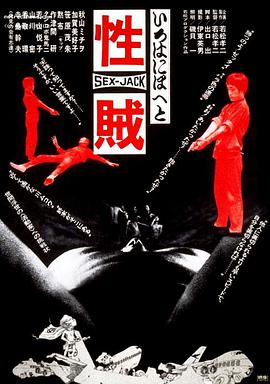
Sex Jack (1970) WikiData IMDb TMDB Douban
セックスジャック
★ 6.6 (11 ratings) director: Kōji Wakamatsu actor: 秋山未知汚 / Kazuo Komizu …
other title: 性賊 セックスジャック / 성의 도적:섹스 잭 …
A small gang of revolutionary students is hidden away by a small-time thief. While they are in hiding, everyone except the thief takes turns engaging in sexual activities with a girl who appears unhappy and perhaps unwilling, having had the misfortune of getting involved with them.

Movie

Caterpillar (2010) WikiData IMDb TMDB Douban
キャタピラー
★ 5.8 (24 ratings) director: 若松孝二 actor: 寺岛忍 / 大西信满 …
other title: 芋虫 / キャタピラー …
The story of a village woman given the grueling task of looking after (and fulfilling the sexual needs of) her quadruple amputee husband, a Japanese soldier in the Second Sino-Japanese War who has been decreed a "War God" by the Emperor.