Movie
Heart Attack (1967)
Zawal serca Douban
沃杰西奇·维斯尼维斯基
actor:
沃杰西奇·维斯尼维斯基
other title:
心脏病
/
Zawal serca
早逝的东欧电影怪才。波兰电影馆出品2DVD包括他的8部实验短片和实验纪录片。
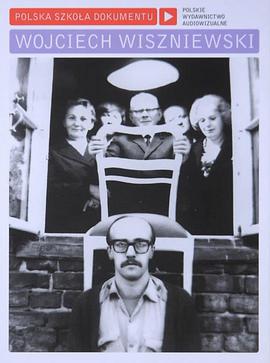
Wojciech Wiszniewski (1946-1981)Born in 1946 and prematurely died in the age of 35, Wojciech Wiszniewski has been traditionally regarded as the most radical representative of the so called creational current in Polish documentary of the 70s, which boasted such filmmakers as Grzegorz Krolikiewicz, marek Koterski, Piotr Szulkin and BOgdan Dziworski. This school renounced cognitive passivity and minimalism of form, hitherto seen as documentary attributes, as well as the view that all a documentary filmmaker had to do was merely observe and record reality with the use of a fraction of the available means of expression, i.e. by relinquishing all the cinematic tools regarded as strictly reserved for feature films. In the 70s, when the lin ebetween a documentary and fiction was precisely deifned and not to be crossed, this bordered on heresy. Representatives of the creational approach broke conventional shackles by employing bold techniques oforaming, photographing and distorting sound, as well as through metaphoric use of editing, special effects, orchestrated scenes and devices aimed at creating rather than portraiting the reality before the camera. Wiszniewski thus pioneered an exceedingly radical approach, hence the ongoing, heated debate as to the genre into which his films should fall.
Wojciech Wiszniewski was a son of a lawyer Wlodzimierz Wiszniewski, who died when the boy was only five. In order to make ends meet his mother Irena Czajkowska decided to rent rooms in their apartment to the students of the Film School in Lódz. Thanks to that her two sons got acquainted with a lot of future renowned film directors, such as Roman Polanski, Andrzej Kostenko, Stefan Schabenbeck or Henryk Kluba. The two brothers got so fascinated with cinema and carefree lives of film-makers that they decided to make their living in the same way. And they both succeeded in it. Wojciech became a director, while his elder brother Wlodzimierz Wiszniewski started his acting career.
Between 1965 and 1969 Wojciech Wiszniewski was a student at the world-famous PWSFTviT (Polish National Academy of Film, Theatre and TV in Lódz). The first two years he spent in the Department of Cinematography and then moved to the Department of Directing due to various health problems (bad eyesight, heart failures). Wiszniewski was one of the school's best and most promising students. His fellow students on the same year included Marcel Lozinski, Tomasz Zygadlo and Maciej Wojtyszko.
He managed to make merely 12 films (6 student shorts, 5 documentary short subjects and 1 TV feature) before his premature death of heart attack at the age of 34. In spite of this Wiszniewski has been considered one of the most outstanding personalities of his generation and without a doubt a classic of Polish documentary cinema. Although his shorts made him a master of innovative documentary film-making, most of them were shelved by the government censors, who also disabled him to eventually make his own feature debut. The last years of his life he spent fighting for making an adaptation of the novel "Królobójcy" ('King Slayers') by Jerzy Lojek about the kidnapping of King Stanislaus Augustus Poniatowski by the Bar Confederates. Wiszniewski died suddenly a few days before the shooting was scheduled to begin.