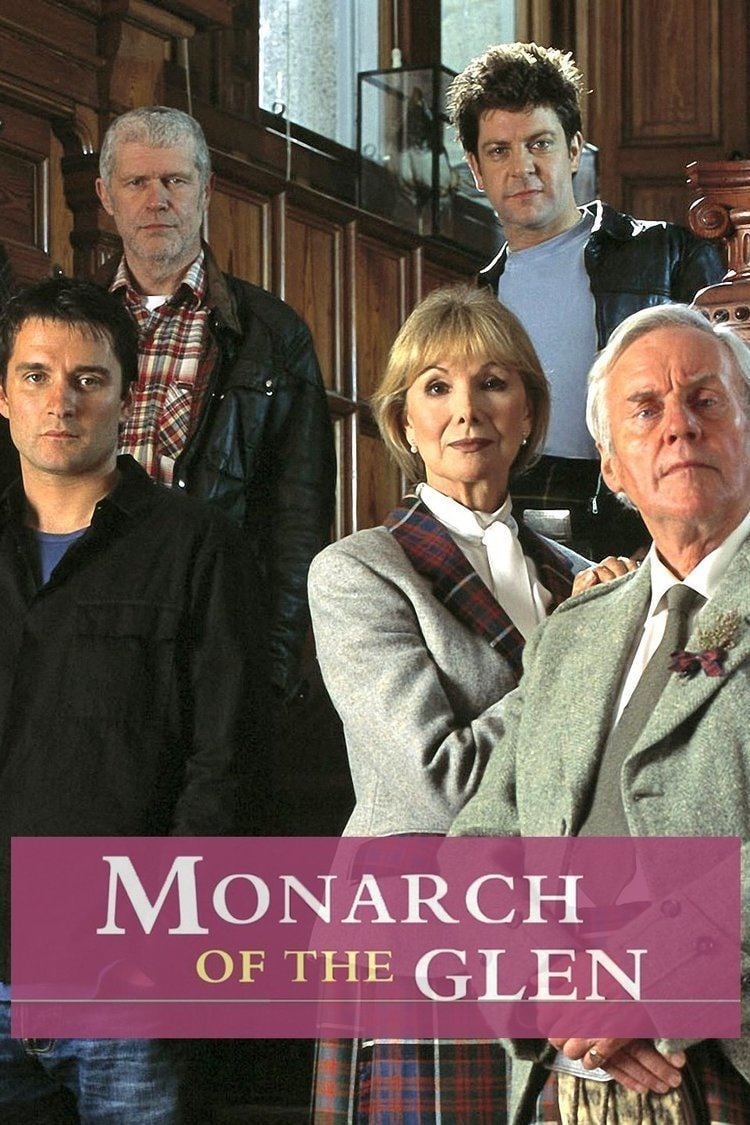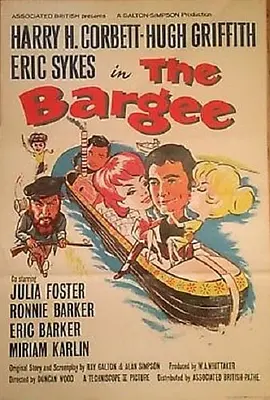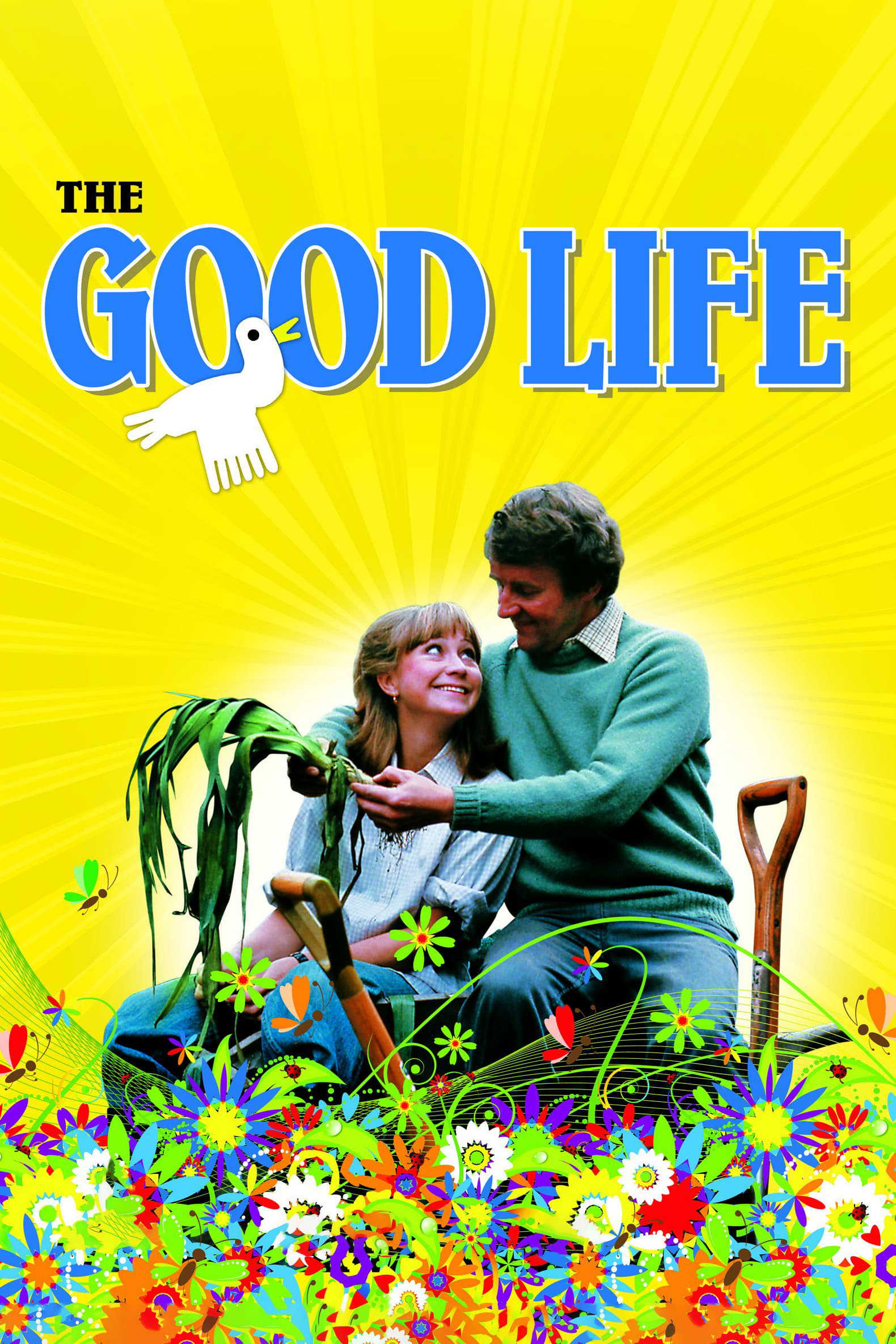
Richard Briers — Actor (15)

TV

One-Upmanship (1976)
One-Upmanship IMDb TMDB
A quintessentially British comedy-of-manners. Based at the fictional Yeovil College of Lifemanship, Richard Briers plays Stephen Potter and is joined by Peter Jones as the snooty Gatling-Fenn and Frederick Jaeger, complete with monocle, playing Cogg-Willoughby. "The world is divided into two types of people," Potter says, "winners and losers, the one-up and the one-down. He who is not one-up is surely one-down".

Movie

Skallagrigg (1994)
Skallagrigg IMDb TMDB
Back in the 'bad old days' when the physically and mentally disabled were locked away in institutions a legend grew of someone who could stand up to the authorities and help them. This charming story is how a group of disabled people went to chase that legend. To assist them John is forced to come to terms with his daughter and her friends.

TV

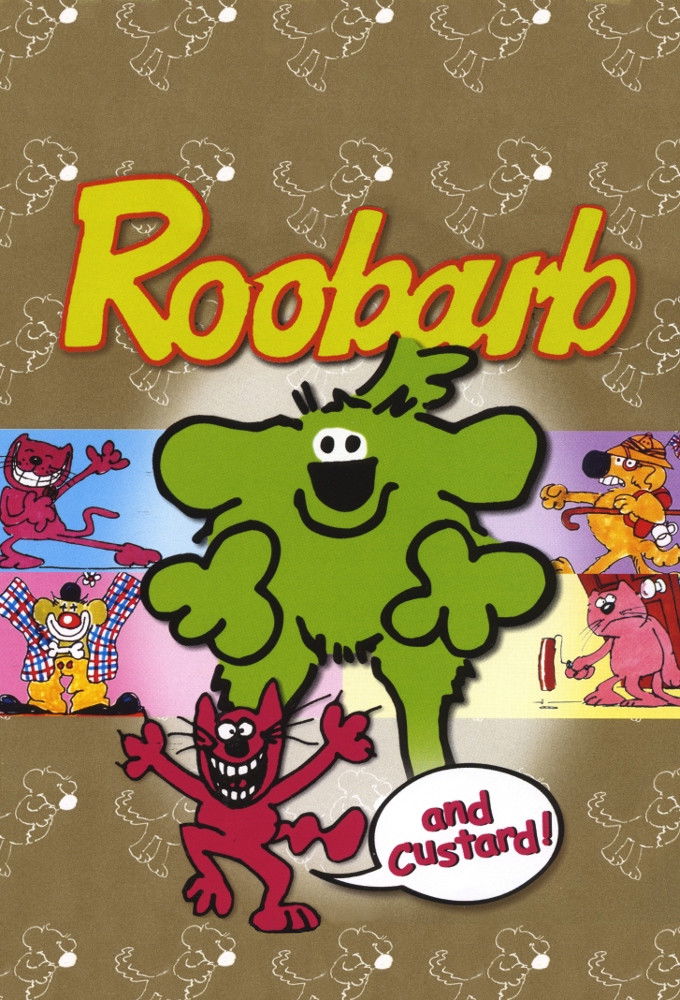
Roobarb (1974)
Roobarb WikiData IMDb TMDB
other title: 熟大黃
Roobarb is a British animated children's television programme, originally shown on BBC1 just before the evening news. Each cartoon, written by Grange Calveley and animated by Bob Godfrey, was about five minutes long. Thirty episodes were made, and the show was first shown on 21 October 1974. The theme is that of the friendly rivalry between Roobarb the green dog and Custard the pink cat from next door. The narration of the series was provided by the actor Richard Briers. On 18 February 2013, Briers died, followed four days later by animator Godfrey.

Movie

A Home of Your Own (1965)
Douban
Jay Lewis actor: Ronnie Barker / Richard Briers …
Wordless comedy about the trials and tribulations which abound when a young couple attempt to build their dream home.

Movie

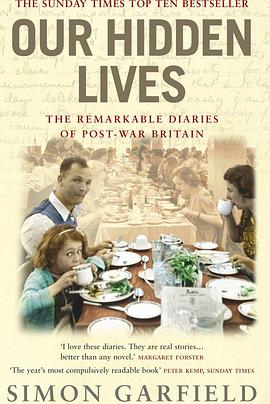
Our Hidden Lives (2005)
Douban
Based on the best-selling book by award-winning writer Simon Garfield, four stories from Britain's 'lost decade' (1945 - 1955) are presented from the diaries of four very distinct people. In his book, Garfield selected some of the most expressive diarists, and focused on the post-war years giving a vivid portrait of how Britain coped in the post-war years and how little, or how much, attitudes have changed over the past 60 years.