Živojin Pavlović — Playwright (4)

Movie

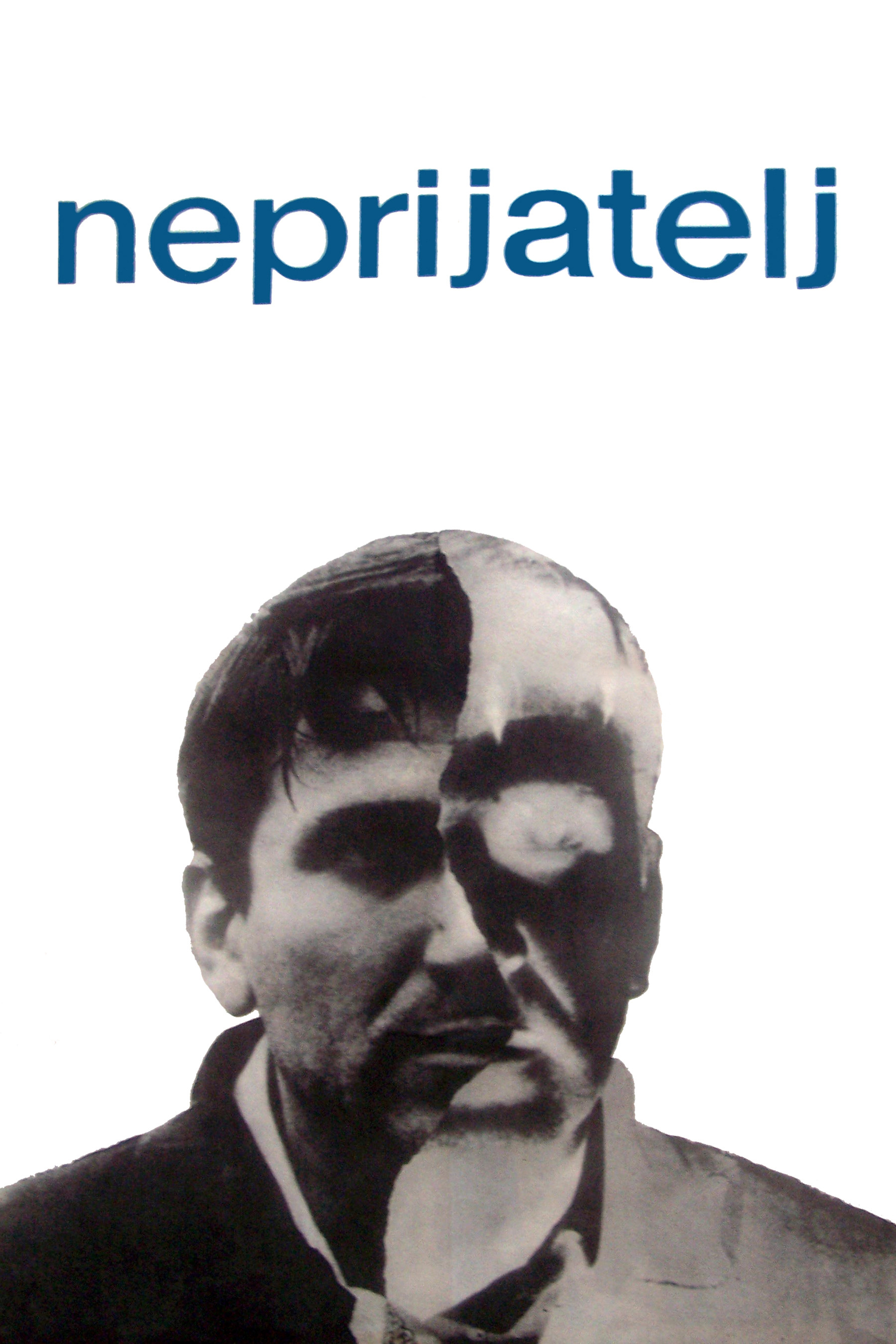
The Enemy (1965)
Neprijatelj WikiData IMDb TMDB
other title: 敌人 / Neprijatelj
An ex-soldier named Slobodan Antic, referred to by a friend as one of the last idealists, finds himself losing control over his own life when a man identical to him starts following him around, claiming to be a friend but behaving suspiciously. Before long his dealings with this doppelganger begin to cost him and his professional and romantic life grow more and more confused.
Movie

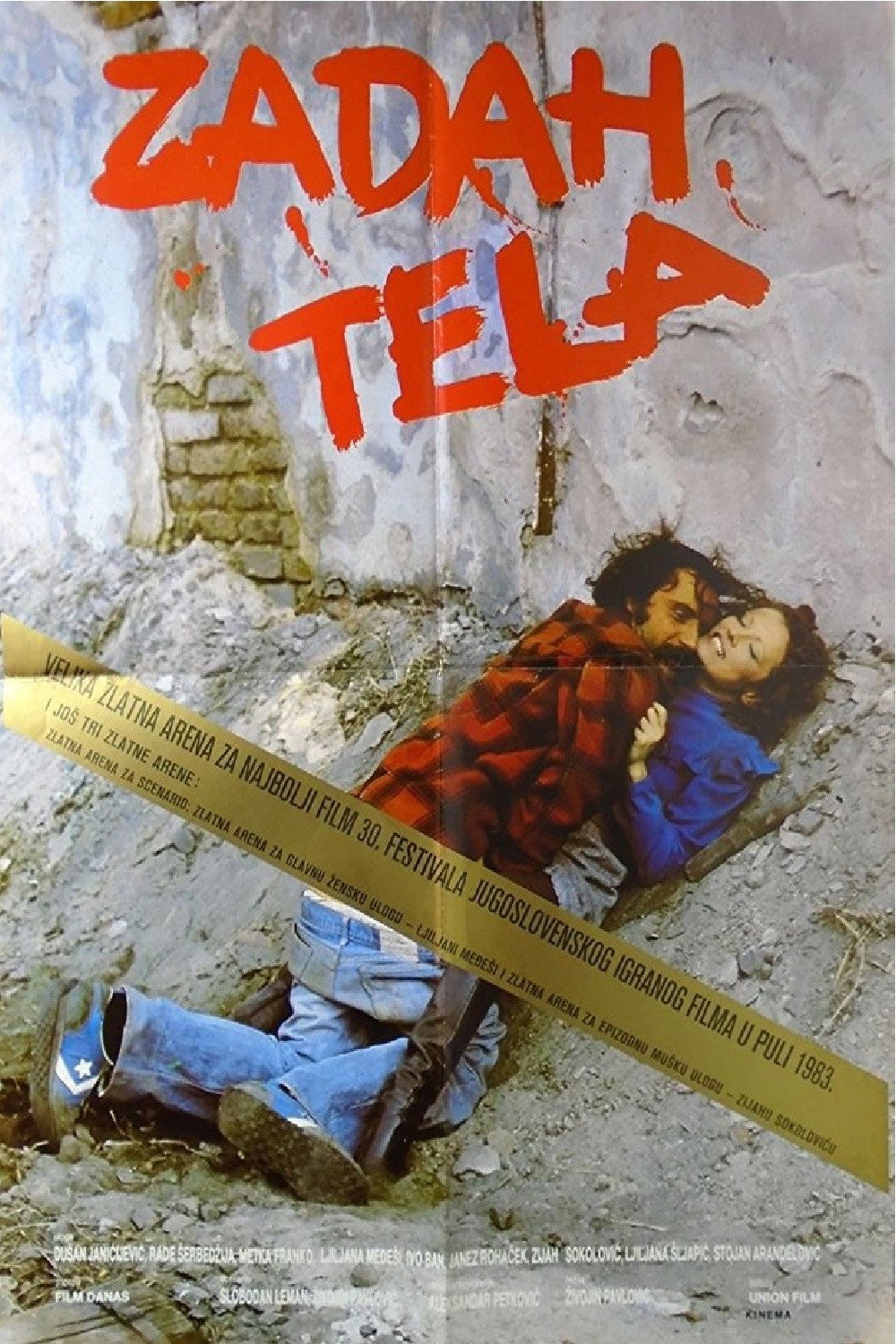
Body Scent (1983)
Zadah tela WikiData IMDb TMDB
other title: Zadah tela
Due to misunderstanding and hard life, a man divorces his wife and leaves the city. He comes to a new environment, meeting new people and new wife. Crucified between two worlds, he does everything to bring her two sons on the right track, and getting on with his own life. Lost in that space, powerless to change things significantly, he commits murder.

Movie

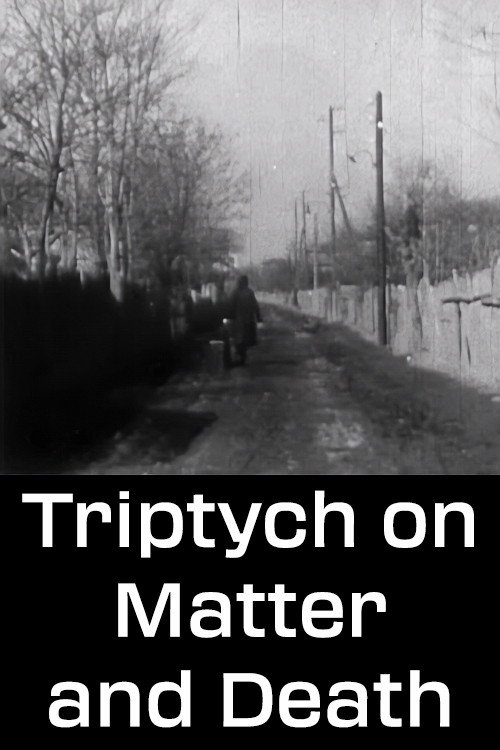
Triptych on Matter and Death (1960)
Triptih o materiji i smrti IMDb TMDB
other title: 存在与死亡的三联画 / Triptih o materiji i smrti
A young woman, injured and alone, desperately seeks refuge in an empty house before finding an abandoned train car. Haunted by surreal visions, she repeatedly collapses. At dawn, her motionless form draws the curiosity of local children, leaving her fate uncertain.

Movie

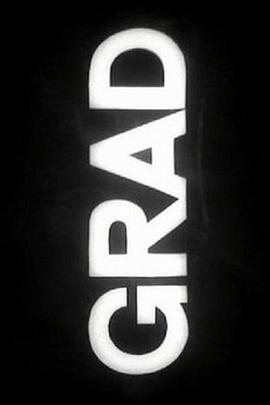
Grad (1963)
Grad Douban
日沃因·帕夫洛维奇 / 马尔科·巴巴茨 … actor: Branka Jovanovic / Mihajlo Kostic-Pljaka …
other title: 城市 / Град
Grad is a psychological drama about the thin line that separates depression and melancholy. It gives us the opportunity to understand that the alienation of the modern socialist man is not just a social problem, but also a poetic aestheticization of urban thinking and behaviour. For Pavlovic, Bapca, and especially Rakonjca, self-destruction is not a defence mechanism, but a lifestyle. Exploring new areas of old sites, Grad is, in a figurative sense, the first Yugoslavian film that deals with the suburb as a metaphor of alternative culture. Through their analysis of public consciousness, the three directors project their secret Bauhaus, seeking its shadow in the hidden areas of obsolete thought, in the everyday of Socialism. The film ends up in a real suburb of Belgrade, defining a new border area between intimacy and claustrophobia, Neoclassicism and Constructivism, night and day, village and city, sound and images, present and future.