Kōji Shitara — Actor (3)

Movie

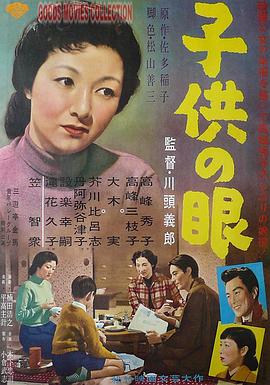
Eyes of Children (1956) Douban
子供の眼
director: 川头义郎 actor: 設楽幸嗣 / 丹阿弥谷津子 …
other title: 孩子的眼睛 / 子供の眼 …
郊外の都営住宅に住むサラリーマンの三田村俊二は妻を喪うと、歯科医の幸子を後妻に迎えた。幸子は結婚後も実父の医院へ手伝いに出かけるので二人が出勤したあとは、先妻との間に生まれた修と俊二の妹で母代りの喜世子の二人暮らしというわけである。やがて幸子の実家の肝入りで、喜世子が硫安工場で働く藤田と見合いをしたころ、俊二は名古屋に転任ときまった。ところが幸子の母は一人娘の彼女を手許から離す気になれず、幸子もまたそうした母にひきずられているようだった。俊二はひとりで名古屋に発った。喜世子は急に冷たくなった藤田の態度が納得できず、勇を鼓して会ってみると、意外にも幸子の母から縁談解消の申し入れがあったからだと判った。だが、二人の心は却って強く結ばれた。喜世子の手紙で委細を知った俊二は、幸子と別れる覚悟で上京したが、一方、幸子も修のためによき母となる決心で実家から帰ってきた。俊二の呼び声を聞きながら、裏の原っぱで石を投げている修の眼は、うれし涙で濡れていた。
Movie

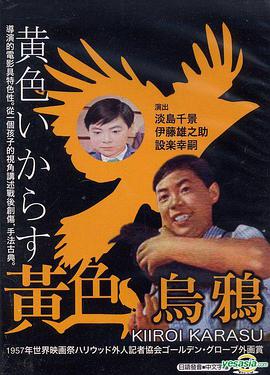
Yellow Crow (1957) WikiData IMDb TMDB Douban
黄色いからす
other title: 黄色乌鸦 / 黄色いからす …
Ichiro Yoshida, the father of the boy Kiyoshi, who has been repatriated from China, returns home after a ten-year separation. The father, who has been estranged from his son for many years, pays no attention to the boy, often punishes him unfairly, and gives all his tenderness to his little daughter, who was born after his return. The boy sees all the injustice of his father and, offended, leaves home. The father realized that he was wrong, that he was guilty before his son. The mother finds the boy and brings him home. The father and the son become friends from that day on.

Movie

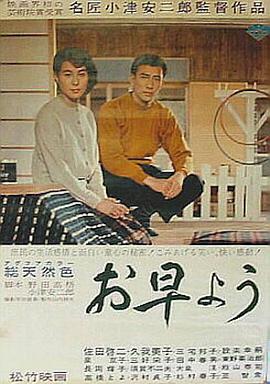
Good Morning (1959)
お早よう
★ 8.7 (155 ratings) director: 小津安二郎 actor: 杉村春子 / 笠智众 …
other title: Buon giorno / お早よう …
A lighthearted take on director Yasujiro Ozu’s perennial theme of the challenges of inter­generational relationships, Good Morning tells the story of two young boys who stop speaking in protest after their parents refuse to buy a television set. Ozu weaves a wealth of subtle gags through a family portrait as rich as those of his dramatic films, mocking the foibles of the adult world through the eyes of his child protagonists. Shot in stunning color and set in a suburb of Tokyo where housewives gossip about the neighbors’ new washing machine and unemployed husbands look for work as door-to-door salesmen, this charming comedy refashions Ozu’s own silent classic I Was Born, But . . . to gently satirize consumerism in postwar Japan.