Kajirō Yamamoto — Director (19)

Movie

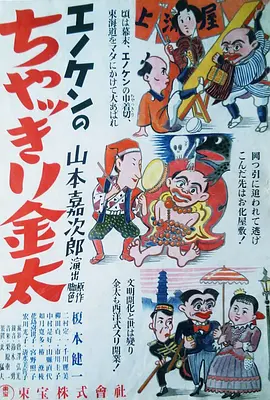
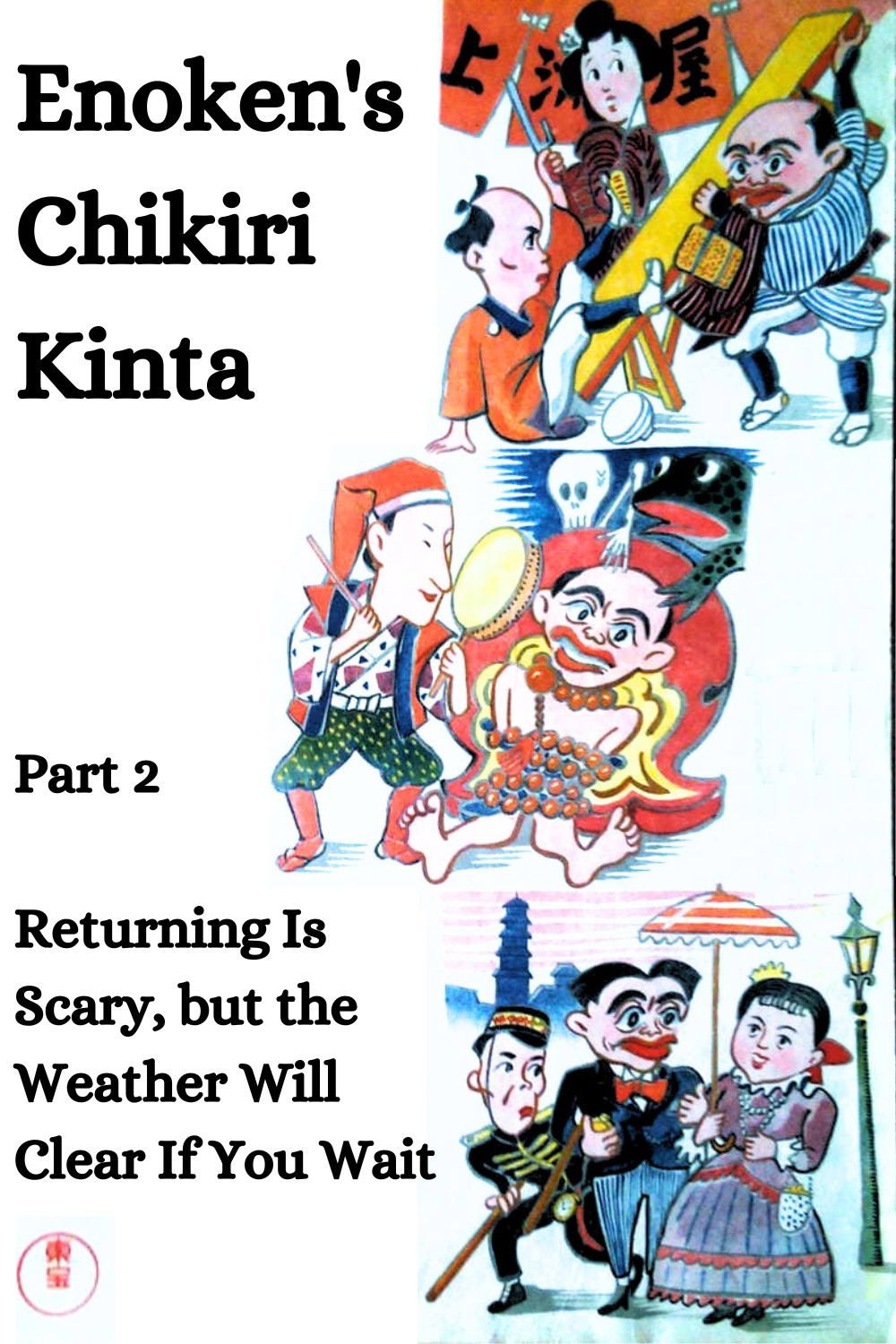
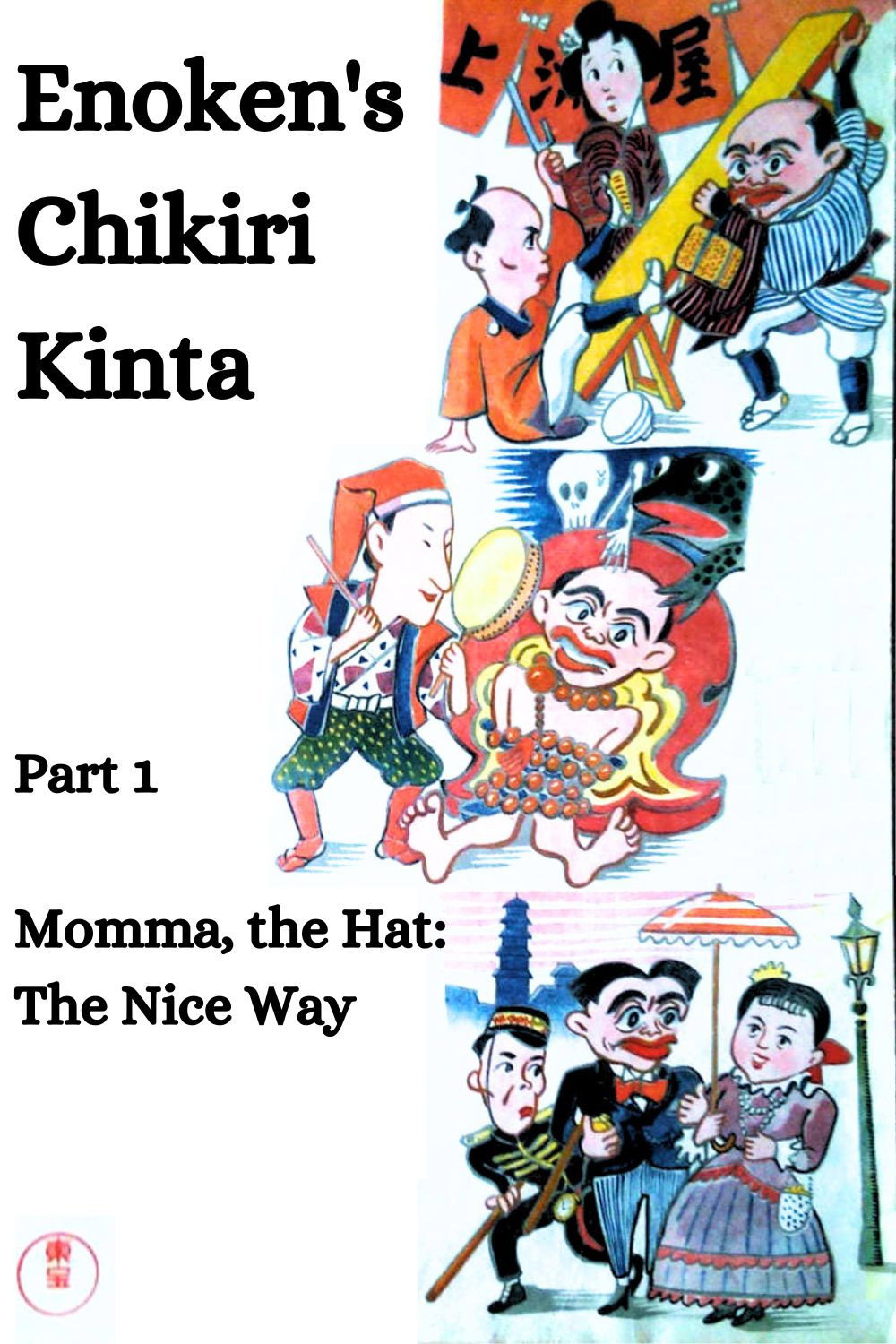
Enoken's Chikiri Kinta Part 1 – Momma, the Hat: The Nice Way (1937)
エノケンのちゃっきり金太 WikiData IMDb TMDB
other title: エノケンのちゃっきり金太 / Enoken’s Kinta the Pickpocket
A comedic tale told in four parts, this film follows the antics of the pickpocket Kinta as he is pursued by a low ranking deputy named Kurakichi. The two get into all manner of peccadilloes and encounter a range of peculiar characters as their game of cat and mouse moves across the countryside in the last days of the Tokugawa Shogunate.

Movie

Enoken Has His Hair Cropped (1940)
エノケンのちゃっきり金太 IMDb Douban
山本嘉次郎 actor: 榎本健一 / Sadaichi Yanagida …
other title: 榎健的茶切金太 / エノケンのちゃっきり金太 …
Enoken's pickpocket Kinta (returned from the Chakkiri Kinta movies) finds some unexpected trouble: a stolen diamond necklace he just can't seem to get rid of!

Movie

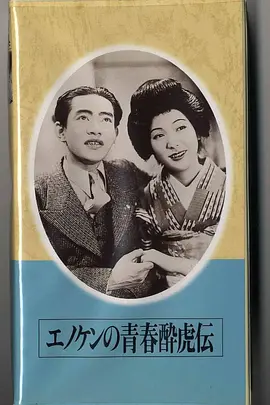
Enoken's Story of a Young, Drunken Tiger (1934)
エノケンの青春酔虎伝 IMDb TMDB Douban
other title: エノケンの青春酔虎伝 / Romantic and Crazy …
This, the first Enoken film, was made in 1934. Production was proposed to Pierre Brillante (PB), Enoken's theatrical troupe based at the Shochikuza Theater in Asakusa, by Iwao Mori, a producer at P.C.L. (Photo Science Laboratory), a new film company that had just been established in 1932. P.C.L. was known for its modern style, as exemplified by its first film, “Hoyoyohi Jinsei” (1933). For Enoken, who was strongly influenced by Hollywood musicals and Broadway reviews, the prospect of making a P.C.L. film that would be released in a Western-style theater was a no-brainer. Therefore, he chose Kajiro Yamamoto, who had been active at Nikkatsu Kyoto, to direct the film. The reason for this was “because he understands musical scores. Enoken and Yamamoto's goal seems to have been to make a Hollywood style musical. In particular, they took their inspiration from the Eddie Cantor comedies that were released in rapid succession between 1931 and 1933. Cantor, who moves chokomaka with his small body, is characterized, like Enoken, by his large, circling eyeballs. The opening song, Printemps, sung by Sadakazu Futamura, Kanta Kisaragi and Enoken with the female students in the open air, is Yes, Yes, My Baby Said Yes, Yes (composed by Con Conrad), a song from Cantor's Whoopee! (1931). It is also performed in the middle of Romantic and Crazy in a scene where Enomoto is teased by Rirako and other female students, but visually, a similar situation can be seen in the Yes. Yes! number in Whoopee. Boku wa yuutsu da sung while studying for exams is also originally My Baby Just Cares For Me also from Cantor's Whoope!.
Movie

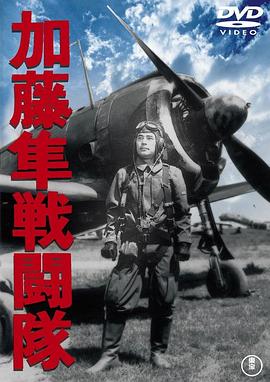
加藤隼战斗队 (1944)
加藤隼戦闘隊 Douban
other title: 加藤隼戦闘隊 / Colonel Kato's Flying Squadron
加藤隼战斗队,二战著名空战大片,44年的日本电影 大部分空战镜头都是航拍的,扮演敌人的就是缴获的P40和F2A水牛。日本的是陆军的1式奥斯卡 /

Movie

あるぷす大将 (1934)
Douban
吉川英治の長編小説(雑誌「日の出」に浜帆一の筆名で1933年8月号~1934年6月号連載。単行本は改造社から1934年12月刊行)及びそれを原作とした1934年公開の日本映画。

Movie

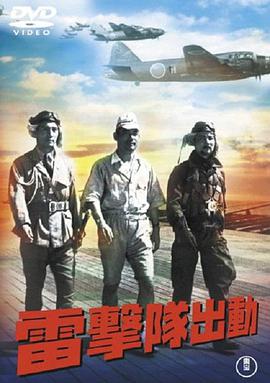
雷手队出动 (1944)
雷撃隊出動 Douban
other title: 雷撃隊出動
三上、村上、川上三人是號稱雷擊之神的黃金組合。後來三上奉命以隊長的身分調派到中太平洋的基地,另外兩人則留在船上待命,然而基地不斷的遭受敵軍攻擊,讓村上和川上非常的擔心。終於基地提出申請補充飛行員的要求,而這兩人也就到了基地。就在兩人抵達基地的時候,無線電傳出發現敵軍的報告,於是三上與村上馬上出擊,並將敵軍全部消滅,可是卻也失去了不少同袍戰友的生命。

Movie

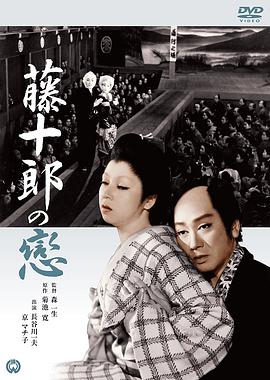
藤十郎之恋 (1938)
藤十郎の恋 Douban
other title: 藤十郎の恋 / Tojuro's Love
元禄時代の京都。南座の役者・坂田藤十郎は、芸に悩んだ末、友であり師である近松門左衛門に脚本を依頼する。しかし、あがってきた新作狂言『大経師昔暦』をみて、その写実的な濡れ場に困惑する藤十郎。役づくりの目処がたたない彼は、ある女に偽りの恋をしかける。林長二郎改め長谷川一夫の東宝移籍第一回作品。

Movie

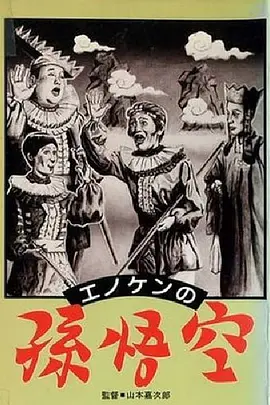
孙悟空 (1940)
孫悟空 Douban
other title: 孫悟空 / エノケンの孫悟空 …
ちゃっきり金太」「どんぐり頓兵衛」などに代表される山本嘉次郎=エノケンのコンビが贈る戦前最後の作品。日劇ダンシング・チームのレビューが散りばめられたドタバタ喜劇。中でもエノケンとのトンでるかけ合いは笑える。日米開戦直前の作品にもかかわらずポパイのほうれん草のギャグもある。

Movie

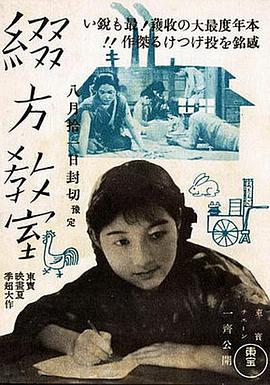
Composition Class (1938)
綴方教室 WikiData IMDb TMDB Douban
other title: 课堂作文 / 綴方教室 …
Masako, the daughter of an impoverished itinerant tinsmith, wins a grammar school composition contest with an essay about her neighborhood. The much publicized essay ends up causing the family problems and their chronic money troubles threaten Masako's further education.

Movie

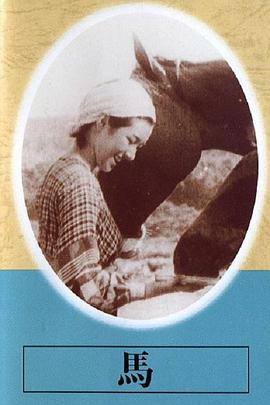
Horse (1941)
馬 WikiData IMDb TMDB Douban
other title: 马 / 馬 …
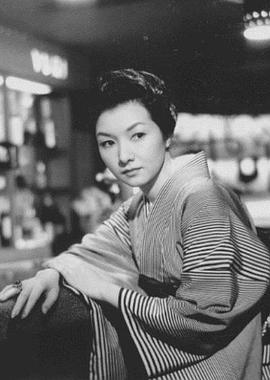
The story of the film is simple: A young girl in the countryside raises a young horse and develops a deep relationship to the animal. But the war is becoming part of life, so in the end she has to sacrifice her horse and sell it to the military. The idea of propaganda film has been discussed by various scholars. Donald Keene mentioned that it only takes the ending of a film like uma to turn an overall innocent story into propaganda. The film was in 1941 officially supported and praised by the Japanese government. An official government statement commented: “Feel Gratitude in your hear and lend yourself to support the war effort” and Army Minister Tojo Hideki commented: “Only by means of the heartfelt affection of the breeders can fine horses – a mobile weapon that will become increasingly necessary in the future – be raised.” A film about a teenager fond of horses, that turns into a propaganda film – so why should you be interested? Uma directed by Kajiro Yamamoto is often regarded as being the first film with a major involvement of Akira Kurosawa – who apart from his job as assistant director was said to have a love affair with the film’s teen aged star Takamine Hideko. Takamine herself was already one of the greatest stars of Japanese cinema, affectionately referred to as “Deko-chan” by her fans. After the war she would appear in many famous movies, most prominently in the works of Kinoshita and Naruse.