Sut Jhally — Director (9)

Movie

The Codes of Gender (2010)
The Codes of Gender IMDb TMDB
Arguing that advertising not only sells things, but also ideas about the world, media scholar Sut Jhally offers a blistering analysis of commercial culture's inability to let go of reactionary gender representations. Jhally's starting point is the breakthrough work of the late sociologist Erving Goffman, whose 1959 book The Presentation of the Self in Everyday Life prefigured the growing field of performance studies. Jhally applies Goffman's analysis of the body in print advertising to hundreds of print ads today, uncovering an astonishing pattern of regressive and destructive gender codes. By looking beyond advertising as a medium that simply sells products, and beyond analyses of gender that tend to focus on either biology or objectification, The Codes of Gender offers important insights into the social construction of masculinity and femininity, the relationship between gender and power, and the everyday performance of cultural norms.
Movie

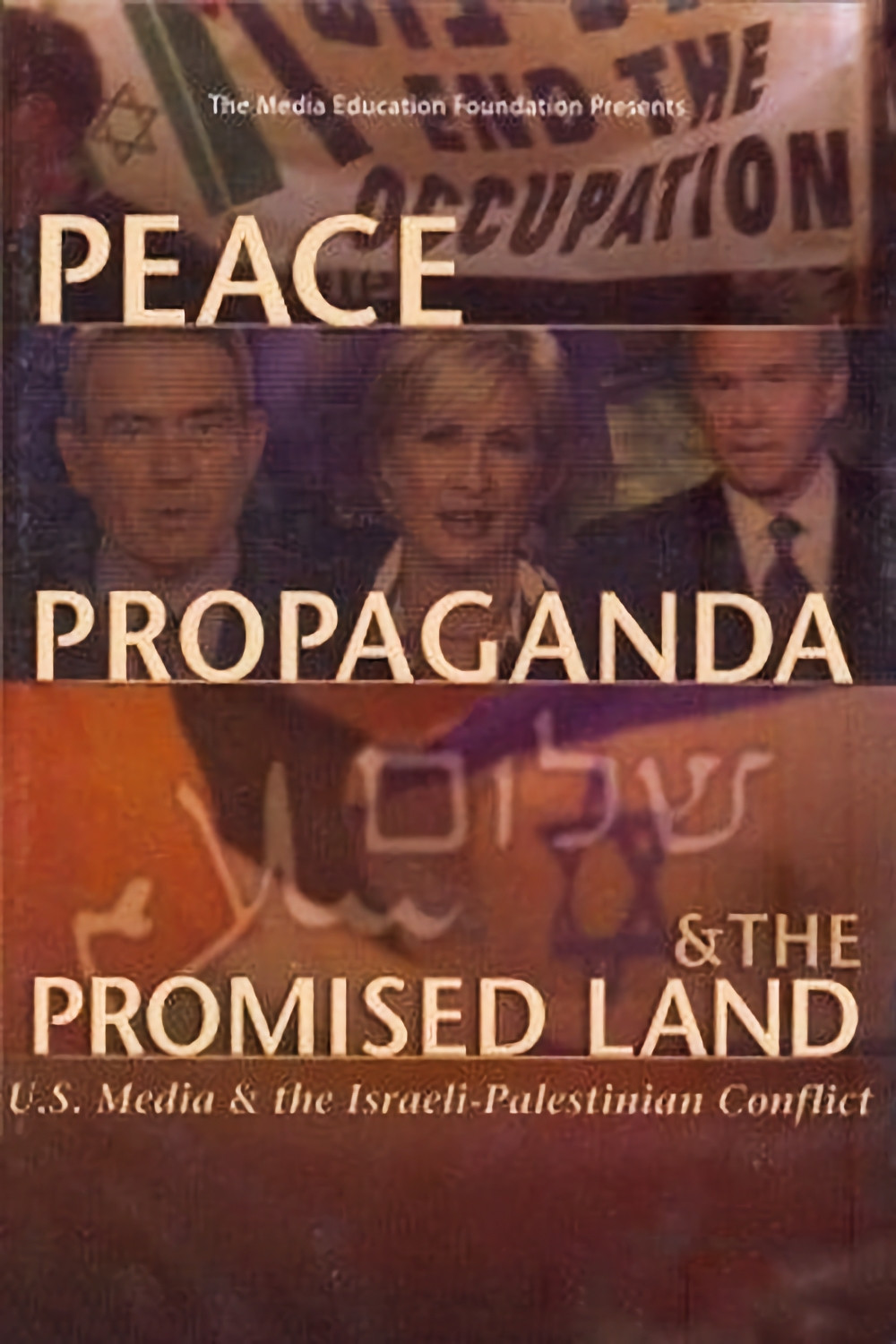
Peace, Propaganda & the Promised Land (2004)
Peace, Propaganda & the Promised Land WikiData IMDb TMDB
This video shows how the foreign policy interests of American political elites-working in combination with Israeli public relations stratgies-influence US news reporting about the Middle East conflict. Combining American and British TV news clips with observations of analysts, journalists and political activists, Peace, Propaganda & the Promised Land provides a brief historical overview, a striking media comparison, and an examination of factors that have distorted U.S. media coverage and, in turn, American public opinion.

Movie

Western Attitudes Towards the Middle East (1998)
IMDb Douban
other title: On Orientalism
In this adaptation of his paradigm-shifting book, Edward Said examines the origins and evolution of Western attitudes towards the Middle East. Said shows how perceptions of the Middle East as an exotic land full of villains and terrorists are deeply rooted in the Western imagination, and argues that this caricatured cultural heritage continues to blind too many Europeans and Americans to the complexity and diversity of the region. "That's the power of the discourse of Orientalism. If you're thinking about people and Islam, and about that part of the wold, those are the words you constantly have to use. To think past it, to go beyond it, not to use it, is virtually impossible, because there is no knowledge that isn't codified in this way about that part of the world." - Edward Said

Movie

No Logo (2003)
No Logo IMDb Douban Eggplant.place
In the age of the brand, logos are everywhere. But why do some of the world's best-known brands find themselves on the wrong end of the spray paint can # the targets of anti-corporate campaigns by activists and protestors? No Logo, based on the best-selling book by Canadian journalist and activist Naomi Klein, reveals the reasons behind the backlash against the increasing economic and cultural reach of multinational companies. Analyzing how brands like Nike,The Gap, and Tommy Hilfiger became revered symbols worldwide, Klein argues that globalization is a process whereby corporations discovered that profits lay not in making products (outsourced to low-wage workers in developing countries), but in creating branded identities people adopt in their lifestyles. Using hundreds of media examples, No Logo shows how the commercial takeover of public space, destruction of consumer choice, and replacement of real jobs with temporary work # the dynamics of corporate globalization # impact everyone, everywhere. It also draws attention to the democratic resistance arising globally to challenge the hegemony of brands. Written by Loretta Alper

Movie

Reel Bad Arabs: How Hollywood Vilifies a People (2006)
Reel Bad Arabs: How Hollywood Vilifies a People WikiData IMDb TMDB Douban
other title: 坏阿拉伯人:好莱坞如何中伤一个民族 / Reel Bad Arabs …
This documentary dissects a slanderous aspect of cinematic history that has run virtually unchallenged form the earliest days of silent film to today's biggest Hollywood blockbusters. The film explores a long line of degrading images of Arabs--from Bedouin bandits and submissive maidens to sinister sheikhs and gun-wielding "terrorists"--along the way offering devastating insights into the origin of these stereotypic images, their development at key points in US history, and why they matter so much today.

Movie

Killing Us Softly 4: Advertising's Image of Women (2010)
Killing Us Softly 4: Advertising's Image of Women Douban
★ 10.0 5 ratings
Sut Jhally actor: Jean Kilbourne
other title: 温柔的杀害4
This is short documentary, only 45 minutes. It consists of Jean Kilbourne delivering a lecture with slides. She has done this many times. She is organised and clear. Every point she makes she emphasises with real world examples of ads from magazines. With those example, there is no way anyone could contradict her.