Gábor Bódy — Playwright (5)

Movie

Self-Fashion Show (1976)
Öndivatbemutató IMDb TMDB
other title: Öndivatbemutató
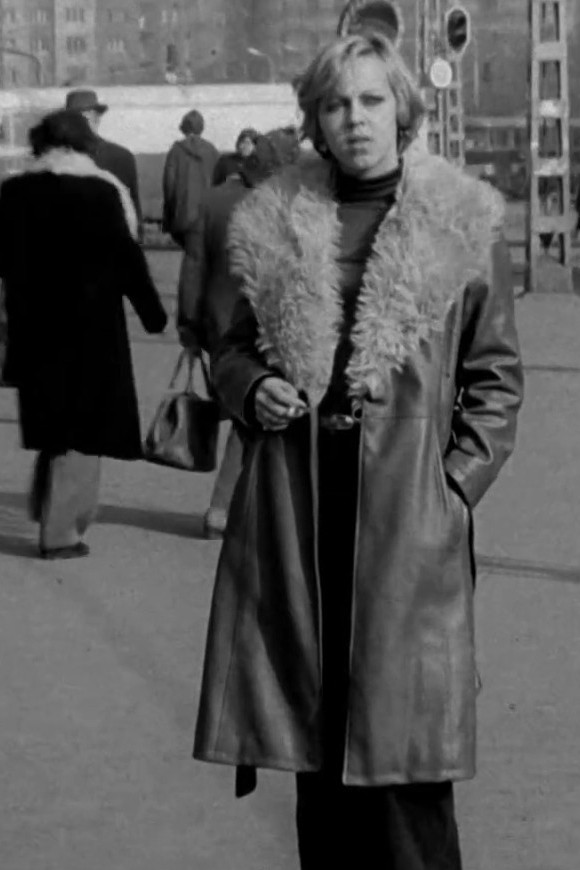
According to Peter Brook, all that is needed for an act of theatre to be engaged is for a man to walk across an empty space whilst someone else is watching him. Thus, an empty space becomes a bare stage. However, this raises countless questions about the relationship between reality, everyday presence and role-playing, something experimental filmmakers coming from the 1970s world of theatre dealt with in detail. Tibor Hajas explored the topic in a short experimental film made at BBS.


Movie

美国未完成 (2005)
Amerikai anzix Douban
伽柏·博迪 actor: Sándor Csutorás / György Cserhalmi …
other title: Amerikai anzix
《美国未完成》是加伯的首部长片,影片讲述三个匈牙利人在南北战争时期美国西部的奇异经历,据说灵感来自于美国传奇作家安布罗斯·比尔斯(Ambrose Bierce)的小说,加伯在影像上故意使用老旧的黑白胶片,并用间隔嚗光等手法营造出像默片一样的美感,音乐和对白也是用录音机后期加上去的,但在其中的一些追逐场面又使用到了慢速摄影这样的现代方法制造出一种古怪的诗意,甚至有些场景是用破碎的镜头拍摄的,令人诧异。 Three Hungarians find themselves in the American West during the Civil War era, and they discuss love and surveying technology. One of them is a rationalist who gets ahead by the things he's achieved, the other is a tragical-fatlist and the third is an emotional Hungarian man who cleaves to his roots. This film, said have been inspired by a story by Ambrose Bierce, has deliberately been distressed, to give it an authentically "old" flavor. A mixture of avantgarde and "audience-movie".

Movie

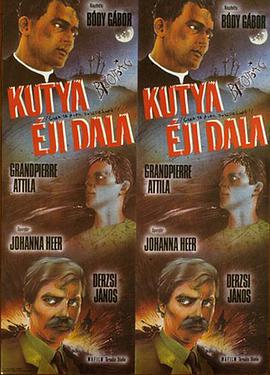
The Dog's Night Song (1983)
Kutya éji dala Douban
other title: 狗夜曲 / Kutya éji dala …
《犬之夜鸣曲》是他最后一部电影,与前两者不同的是本片把时代背景放在了现代,通过一个牧师对人们内心的探询展现八十年代初匈牙利社会道德体系下的另类现象,影片情节前后跳跃,纪录与虚构相结合,普通胶片与16毫米胶片穿插剪接,再加上当时一批重要的匈牙利本土地下朋克乐队的参与,具有很强的迷幻感。

Movie

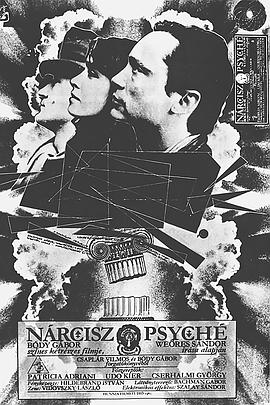
Narcissus and Psyche (1980)
Nárcisz és Psyché WikiData IMDb TMDB Douban
伽柏·博迪 actor: 帕德里西亚·阿德里亚尼 / 乌多·基尔 …
other title: 纳西斯和塞茜 / Nárcisz és Psyché …
Narcisus and Psyche is based on a novel by Sandor Weores which was adapted by Vilmos Csaplar and director Gabor Body for a feature-length film. Borrowing the character of Psyche from mythology and placing her in Europe in the 19th century, the authors give her a "modern" life. She is an attractive young woman - and remains so throughout the film, in spite of one hardship after another. Psyche is libidinous, and her prurient interests shock her staid contemporaries. For reasons that the viewer is left to ponder, her life is almost a living punishment for her sexual laxity. Her child is taken away and killed, and although she is in love with her tutor, who has syphilis, she marries another man. She is suffering herself from some affliction, which leads to hospital scenes that are acerbic commentaries on 19th c. Western medicine. Psyche is about to leave for America with her husband, when the story takes another abrupt turn.