Jeanine Meerapfel — Director (7)

Movie

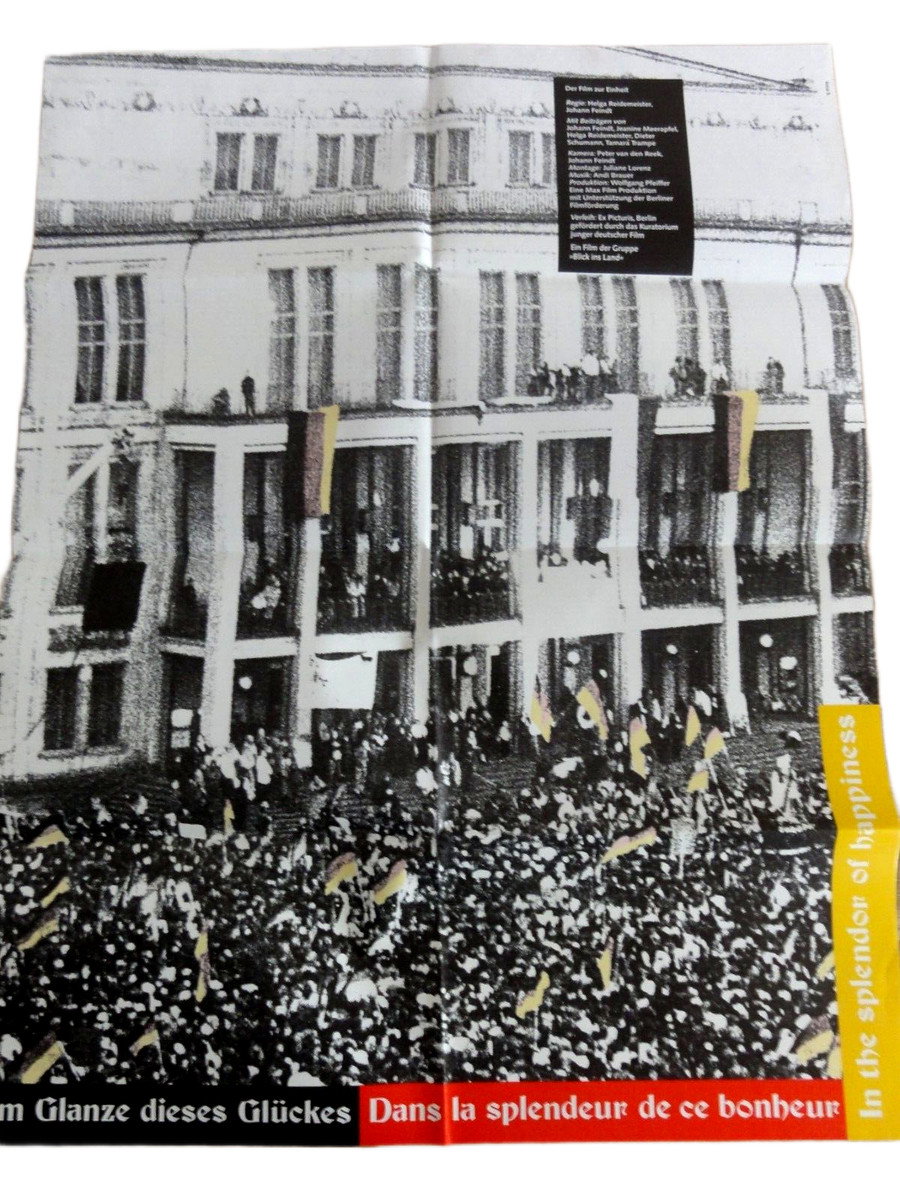
In the Splendour of Happiness (1990)
Im Glanze dieses Glückes WikiData IMDb TMDB
other title: Im Glanze dieses Glückes / Dans la splendeur de ce bonheur …
Citizens of East Germany talk about their experiences and feelings in the face of upcoming elections that will lead to reunification with the West. The past is tinged with regret, frustration and anger, while the future is uncertain.

Movie

Mosconi - Or To Whom the World Belongs (2008)
Mosconi - Oder wem gehört die Welt IMDb TMDB
other title: Mosconi - Oder wem gehört die Welt
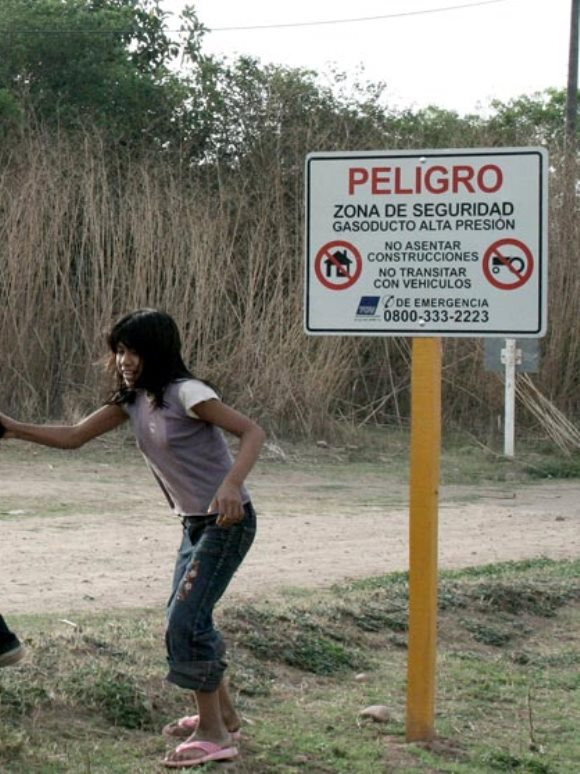
General Mosconi is a small town in the North of Argentina, rich with oil and gas. 1993 the state owned enterprise, YPF, that gave work, health care and education to the whole region, was privatised. The unemployment rate climbed to 70 percent, the whole infrastructure system collapsed. The town is an example for what is today understood as the loss of state and politics.

Movie

Malou (1981)
Malou Douban
Jeanine Meerapfel actor: 英格丽·卡文 / Grischa Huber …
other title: 马露
Malou feels that the difficulties she is experiencing in her relationships lie in her past and so she searches out information about her mother. Her mother, a nightclub singer who lived in Germany, France and Argentina, becomes the focus of a series of flashbacks through which we learn of her mother's stormy life and the difficulty she had in bringing her up. These insights enable Malou to sort out the difficulties in her own life.

Movie

Days to Remember (1987)
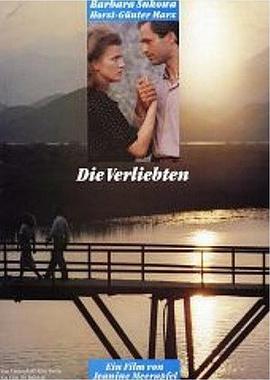
Die Verliebten Douban
other title: 似水年华 / Die Verliebten
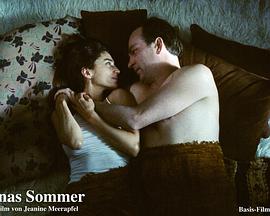
87年柏林电影节金熊奖提名. A successful young girl, journalist, Yugoslav by origin, arrives to Yugoslavia on business and goes to visit her mother, who hopes that her daughter will return some day. By the way, she meets a young German who follows the trail of his father, ex-soldier of Reich who fought in Yugoslav area. A young boy belongs to that generation of Germans which questions their fathers' role in war. These two young people, each with his own specific burden, fall in love, wishing to establish a serious relationship. Jeanine Meerapfel was born in Buenos Aires as daughter of German Jewish parents that had fled the Nazis. In 1964 she came to Ulm to study filmmaking, and since then stayed to live in Germany. However, she still is a traveler between different worlds and has assumed the issues of exile, immigration, asylum, social rights of foreign workers as themes for her films, time and again. In 1980 she made her first feature film, "Malou" for which she wrote the script and Michael Ballhaus did the camera. The film won prizes in Cannes, Chicago and San Sebastian. Her next feature films were "Die Verliebten" (In love, 1986/87), "La Amiga" (The friend, 1987/88) which won the Bundesfilmpreis as well as "Amigomio" (My friend, 1993/94). Her documentaries between 1981 and 1990 received as well different prizes: "Im Land meiner Eltern" (In the country of my parents) – Mannheimer Filmwoche, "Die Kummelturkin geht" (Melek leaves) – among others the German Filmcritique, "Desembarcos – es gibt kein Vergessen" (Impossible to forget) - the city of Strassburg. Jeanine Meerapfel is member of the Academy of Arts in Berlin and since 1990 professor of Film and Television at the Superior Institute for Media Studies of Cologne. The scriptwriter and filmmaker was given the Artists prize of Nordrhein-Westphalen for the totality of her work in the area of film direction, with the mention "for the strength and clarity of her images, which are narrating human destinies in such a poetic and sensible way that nobody stays unmoved". Her latest film "Anna's Summer" had it′s first screening in Germany at the Berlinale 2002
Movie

The German Friend (2012)
El amigo alemán WikiData IMDb TMDB Douban
珍妮·米瑞菲 actor: Riemelt / 本杰明·萨德勒 …
other title: 德国朋友 / El amigo alemán …
It’s the late 1950s, and in an affluent and quietly respectable part of Buenos Aires, young Sulamit Löwenstein strikes up a friendship with her next-door neighbour Friedrich over the whereabouts of her family dog. She is the daughter of German-Jewish immigrants to Argentina, he is the son of a senior SS officer, a tragic political legacy from whose shadow both characters struggle to escape over the next three decades. Following the teenaged Friedrich to Germany, Sulamit finds him caught up in the radical politics of late-1960s student life; and she’s forced to make important decisions about her attitude to her homeland when Friedrich returns to Argentina to join the fight against the military junta.