Lawrence Jordan — Director (8)

Movie

The Visible Compendium (1991)
The Visible Compendium IMDb TMDB
The Visible Compendium constructs bits of unnamed meanings, fragments of light. Photography is, to me, not about things, but about light. Light is our primary reality when we are at the movies. Light which suggests things, the secondary reality, a construct by the mind.
Movie

Visions of a City (1978)
Visions of a City IMDb TMDB
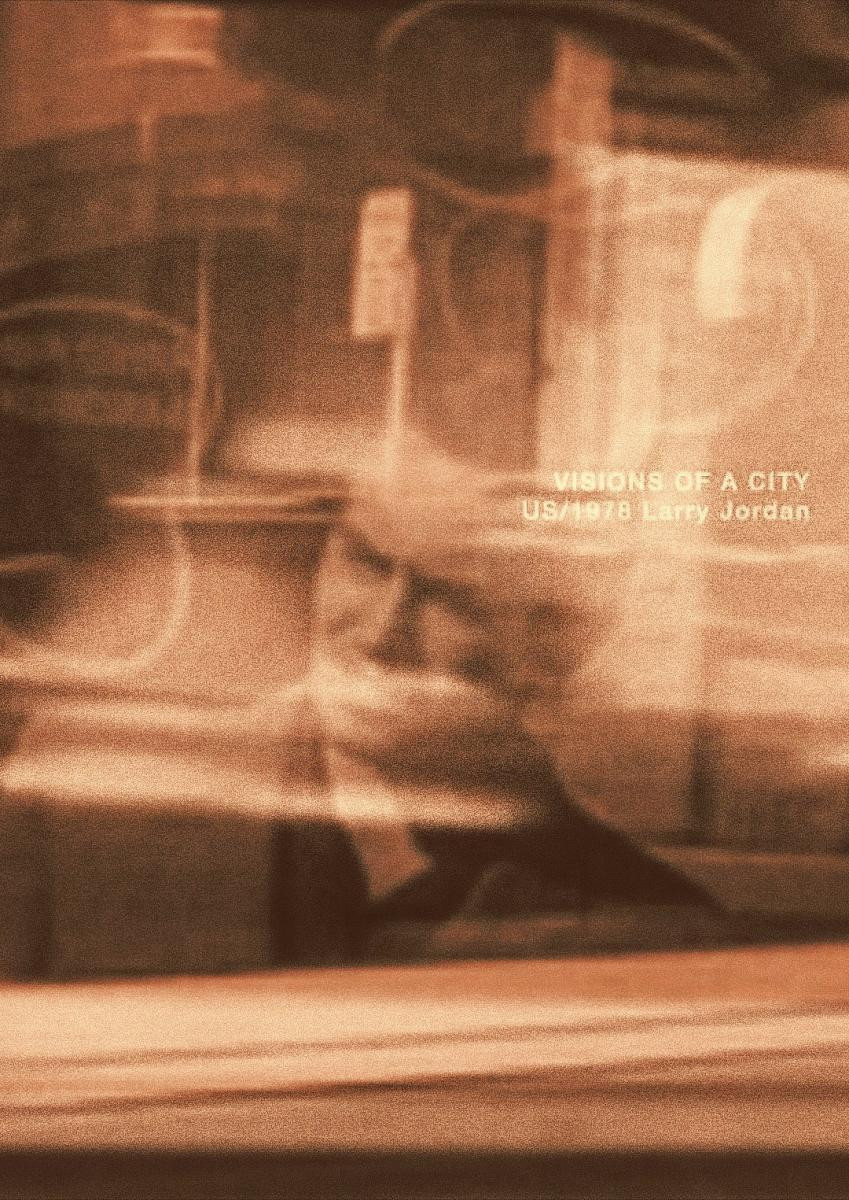
Sepia toning lends a romantic (even wistful) quality to Larry Jordan's film Visions of a City, which he shot in San Francisco in 1957 and edited in 1978. The pace is un-irritating, in contrast to the San Francisco of today; but unlike the equal weight Helen Levill gives to all her subjects, there is an internal evolutionary development in the Jordan film that ultimately delivers a story. Until the introduction of the human protagonist, poet Michael McClure, we are treated to an extravagant display of visual delights.

Movie

Solar Sight (2011)
Solar Sight IMDb TMDB
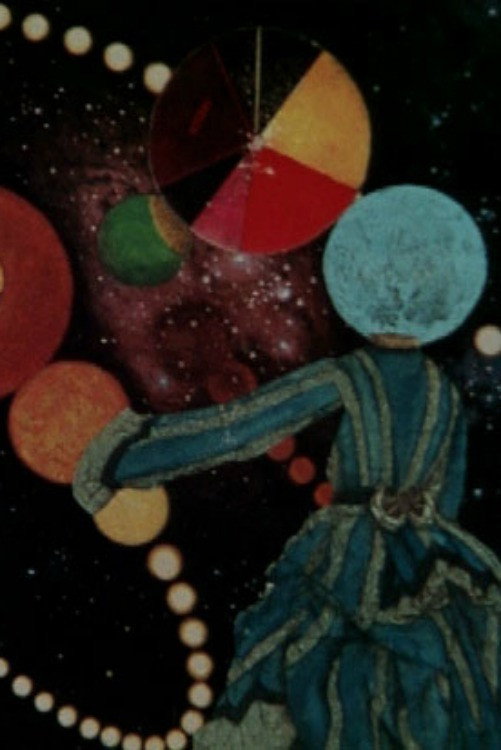
In describing the foundations for SOLAR SIGHT, artist Lawrence Jordan writes, "A question I had in mind was: what's the place of the human being in the cosmos? More and more we think about what is 'beyond.' Less and less is art concerned. I don't know why. The question seems a bit grandiose but I approached it quite simply. I have never worked with color photography as primary background to cut-out animation before. I was surprised that the result was so powerful (helped by John Davis' very resonant music). It was liberating to release human figures into an apperception of suggested space, along with the primordial enigma of the revolving sphere."

Movie

Hamfat Asar (1965)
Hamfat Asar IMDb TMDB
"The strangeness of this film is laced with carefully moulded apocalypses as the filmmaker explores a vision of life beyond death – the Elysian fields of Homer, Dante’s Purgatorio, de Chirico’s stitched plain. A moving single picture. Evolving the structure or script for the film involved a process of controlled hallucination, whereby I sat quietly without moving, looking at the background until the pieces began to move without my inventing things for them to do. I found that, given the chance, they really did have important business to attend to, and my job was to furnish them with the power of motion. I never deviated from this plan." —Canyon Cinema

Movie

Our Lady of the Sphere (1969)
Our Lady of the Sphere WikiData IMDb TMDB Douban
other title: 星球女士 / 球形聖母
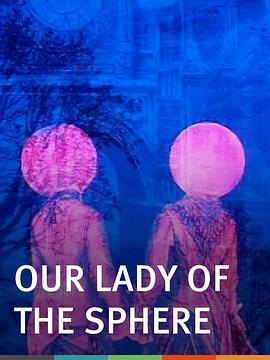
Moving spheres, such as balloons and bubbles, are superimposed on static backgrounds to suggest travel and discovery. There are perils: a boy falls, a lion roars. The lyric flights of hot-air balloons, flying machines, and dirigibles, and their accompanying music of the spheres, are sometimes interrupted by a jangling buzz. Circus images take over. Then, mechanical rhythms abound while a balloon-headed doll, perhaps alien, moves through a jungle scene. We end in a garden.

Movie

Gymnopédies (1965)
Gymnopédies IMDb TMDB Douban
other title: 月光曲
This article is about the American filmmaker. For the American publisher and writer, see Larry N.Jordan. Larry Jordan is an independen t filmmaker who has been working in the Bay Area in California since 1955, and making films since 1952. He has produced some 40 experimental and animation films, and three feature-length dramatic films. He is most widely known for his animated collage films. In 1970 he received a Guggenheim Fellowship to make Sacred Art of Tibet. His animation has shown by invitation at the Cannes Film Festival. Jordan is one of the founding directors of Canyon Cinema Cooperative. He has shown films and lectured throughout the country. He is presently chairman of the film department at the San Francisco Art Institute.