Thomas Sauvin — Author (3)

Book

Until Death Do Us Part Douban
★ 8.1 (7 ratings) author: Thomas Sauvin / 苏 文 publishing house: Jiazazhi Press 2015 - 5
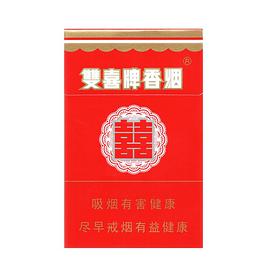
Until Death Do Us Part focuses on the unexpected role cigarettes play in Chinese weddings. As a token of appreciation, it is customary for the bride to light a cigarette for each and every man invited. The bride and the groom are then invited to play some cigarette-smoking games o f an unprecedented ingenuousness. This publication pays homage to a tradition in which love and death walk hand in hand.
These photos come from the Beijing Silvermine project, an archive of half a million negatives salvaged over the years from a recycling plant on the edge of Beijing.
《双喜》关注的是香烟在中国婚宴上扮演的令人意想不到的角色。
“敬烟”是中国婚宴上的一个约定俗成的规矩。新娘子要给每一位到场的男士点烟,以示感谢。同时,新郎新娘会被要求完成一些粗糙却也充满想象力的“抽烟”游戏。这个出版物即是向这个爱与死亡完美结合的传统致敬。
里面的全部照片来自“北京银矿”——一个由50万张从北京边缘垃圾站逐年抢救回来的废旧底片组成的资料库。
Book

Talk Soon Douban
author: Erik Kessels / Thomas Sauvin publishing house: Atelier Éditions 2021 - 3
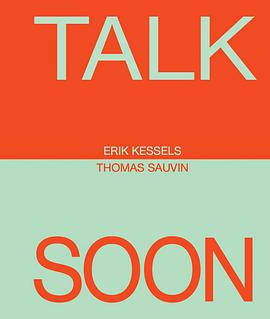
Talk Soon is the wordless quarantined dialogue between Dutch artist Erik Kessels and French artist Thomas Sauvin.
Every day, throughout that tumultuous spring of 2020, Erik and Thomas sent one another idiosyncratic, uncaptioned photographs; catalysing an organic, free-associative exchange of some 120 archival images.
Atelier Éditions’ author Kingston Trinder then composed an equally free-associative, altogether-whimsical narrative with which to further entwine the duo’s eclectic photographs. These two archives of vernacular photography, one from the East, the other from the West, achieve a dialogue through the recurrence of photographic practices, aesthetics, and subjects.
Talk Soon, a tearaway postcard book, allows readers to endlessly juxtapose the delightful photographs selected by the two quarantined artists.

Book

17 18 19 Douban
author: Thomas Sauvin publishing house: VOID 2019
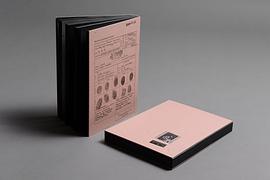
Thomas Sauvin kept the negatives presented in this series un-scanned for almost a decade. Even though the artist was intrigued by the content, the risk of scanning official Chinese disposed material could put in jeopardy the (by then) starting Silvermine Project. For this reason, this material was always edited by the artist in its raw negative form. Kept in such a way in the presented book.
‘17 18 19’ is an investigative journey on the practice of those police department photographers and their aesthetic, practice and understanding of photography, composition and art direction.
Who are those people? What are the stories behind each item? Why 17 18 19? Are questions that the reader has to solve. As if the book is a piece of evidence itself. Putting the reader in the investigator’s shoes.