Constantin Diţă — Actor (5)

Movie

They stole the bride (2012)
S-a furat mireasa WikiData IMDb TMDB
other title: S-a furat mireasa / The Bride Was Stolen
Nina, a former Miss of a province town currently unemployed, who has enough of her boring life with her husband, Cornel. She decides to kidnap Marinela, the bride of an local mobs wedding, in exchange of a huge ransom that hopefully will provide her a better life. Surprisingly enough the bride refuses to return to her disgusting husband and provokes a series of events very serious for her family, but hilarious for the movie.

Movie

Principles of life (2010)
Principii de viață WikiData IMDb TMDB
other title: 人生原則 / 人生原则 …
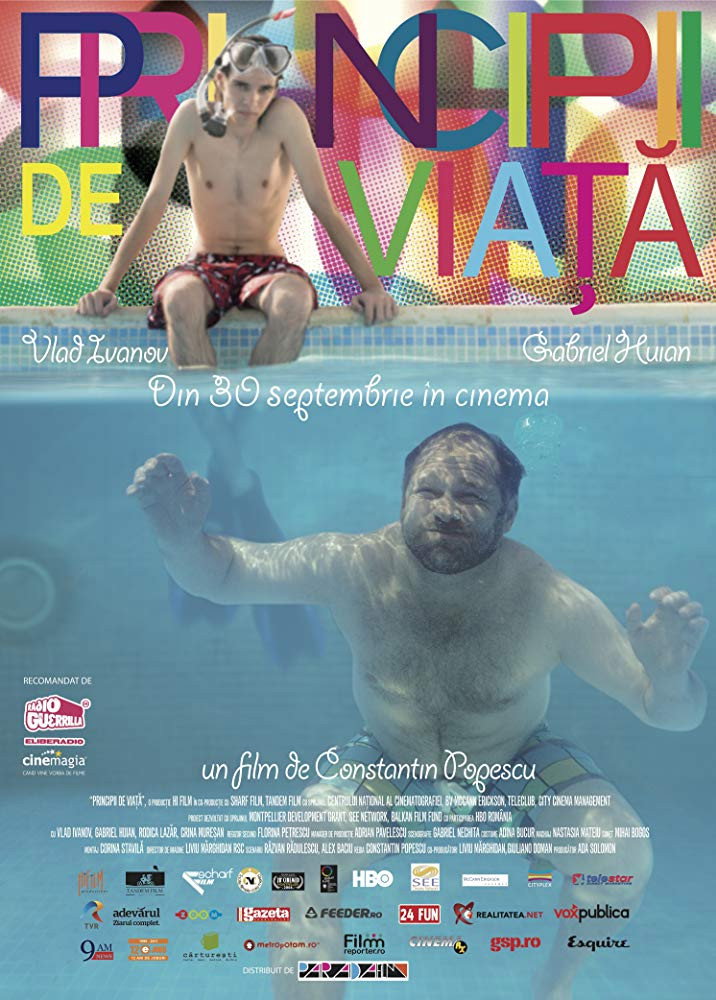
Velicanu considers himself a fulfilled person. He's got money, a new villa, married a younger woman and has a son from a previous marriage. Before the holidays he has to leave everything in order, but things start to get complicated. The crisis at the end of the day make him wonder whatever he is indeed a happy, fulfilled person...

Movie

Gone with the wine (2002)
Pe aripile vinului Douban
柯内流·波蓝波宇 actor: Constantin Diţă / Ion Săpdaru …
other title: 与酒同行 / Pe aripile vinului
At first glance Costelus hardly resembles consatenii "I drinking, not drinking, smoking, not smoking, the curve and other sins do not go I, God forgive me. But though he is tempted by the charms let West "Like me and I saw in England in the evening. The oil, a big carp fishing" and goes to do his analysis to go "beyond." Student short film made by Corneliu Porumboiu within UNATC

Movie

年轻斗士的肖像 (2010)
Portretul luptătorului la tinereţe Douban
other title: Portretul luptătorului la tinereţe
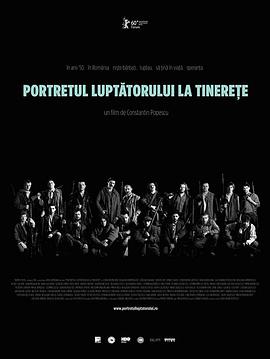
When the Soviet Army marched into Romania in 1944, a part of the Romanian population went “into the mountains” – a diverse assortment of nationalists and fascists, liberals, apolitical farmers and members of the middle-class, who were affected by the Communists’ expropriations. Over a thousand armed resistance groups took refuge in the inaccessible forests of the Carpathian Mountains where they waited in vain for the support of the Western Allies. Thirty of them held their ground well into the 1950s. One was led by Ion Gavrilă-Ogoranu, who managed to remain undetected until 1976 when he was arrested. Constantin Popescu’s feature film depicts the daily existence of this group. With the strictness of protocol, it tells the story of a struggle that became an end in itself, as the enemy was constantly in pursuit and arrest meant torture and often liquidation. Hungry and emotionally withdrawn, the group of young men got entangled in a partisan war that could not be won, lost in the landscape of the South Carpathians, accompanied by a vigilant secret police, the Securitate. The everyday life of a hunt that was far from the heroism attributed to the glorified anti-communist resistance today. –Berlinale