Karel Lamač — Director (10)

Movie

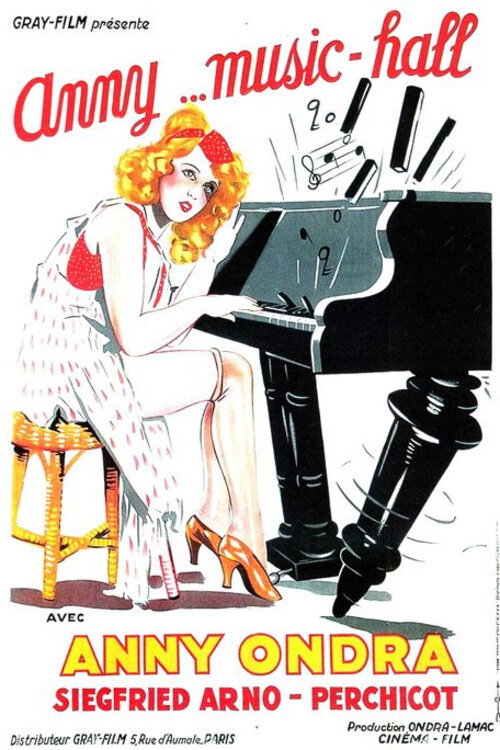
Fairground People (1930)
Die vom Rummelplatz WikiData IMDb TMDB
other title: Die vom Rummelplatz / Anny... Music-Hall …
Young Anny returns from school to her circus family, which runs a little venue at the town fair. When Anny suddenly has to fill in for one of the artists, her piano-playing not only enthrals the audience, but also theatre agent Horbes. He casts the whole family for the Apollo theatre in Berlin, where Anny quickly raises to stardom and is offered an engagement from the US.

Movie

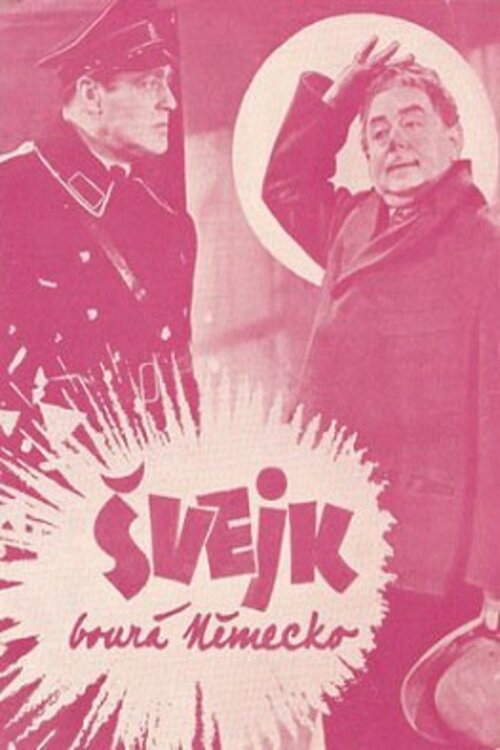
Svejk Wrecks Germany (1943)
It started at Midnight WikiData IMDb TMDB
other title: It started at Midnight / Schweik's New Adventures
KAREL LAMAČ (1987-1952), who worked in Germany for a long time, was forced to leave for France and then Great Britain before Hitler's fascism, where he continued to direct films. His film Švejk is Destroying Germany from 1943 was created under the influence of wartime circumstances and was intended mainly for a British audience. Perhaps this is also why the tone of the original Czech hero of Hašek's humorous original deviates from his traditional way of portraying him. He transfers him to the wartime reality of the time and, through a series of coincidences, makes him a military servant of the Gestapo commander, which gives Švejk the opportunity to save many people from deportation to concentration camps. Lamač is therefore not driven by the motive of an authorial interpretation but rather by the need for propaganda. This is also emphasized by Foreign Minister Jan Masaryk, whose opening words were added to this comedy in 1947, when it was released into Czechoslovak film distribution.

Movie

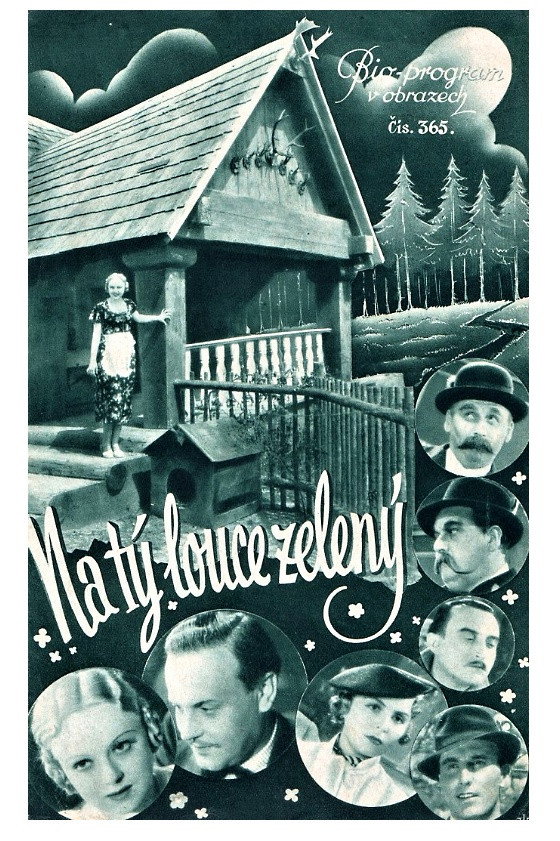
On the Green Meadow (1936)
Na tý louce zelený IMDb TMDB
other title: Na tý louce zelený
Alena Skalická, the owner of the "Krásná skála" estate, returns to the property after years abroad to take over its management herself. Her uncle Skalický and Engineer Miloš Miláček, who have managed the estate until now, are planning a grand welcome. The gamekeeper, Štětivec, is set to deliver the welcoming speech, and Head Forester Eisenkulka is rehearsing him. Štětivec’s wife, the sharp-tongued Barbora, is terrified that her Matěj might do something foolish.

Movie

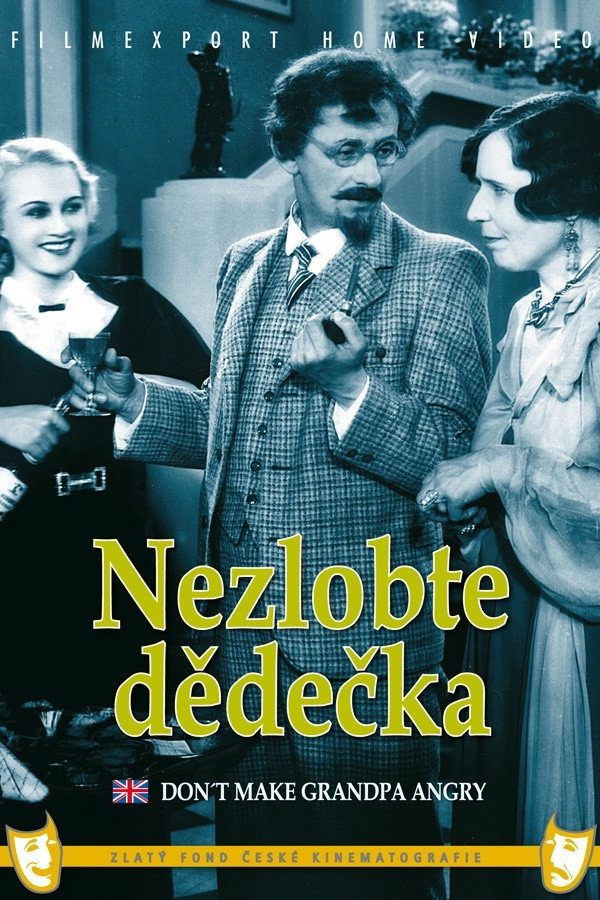
Don't Make Grandpa Angry (1934)
Nezlobte dědečka WikiData IMDb TMDB
other title: Nezlobte dědečka
Eman Vovísek drinks away his unrequited love for Liduška, who married his cousin, the factory owner Danek. Because Eman is aggressive when drunk, he is taken to a mental health facility, where he meets his uncle Hanibal. Hanibal has a breakdown after his wife Matylda broke up with him. Matylda wanted to be free so she could marry her first love, Uncle Jonathan, who is due to arrive from America. Jonathan sends a telegram saying he will stay in Paris. Such a situation does not suit Danek. He assumed that Liduška would be visiting from America and that he himself would go to his mistress in the meantime. He therefore visits Vovísek and persuades him to play the role of Jonathan.

Movie

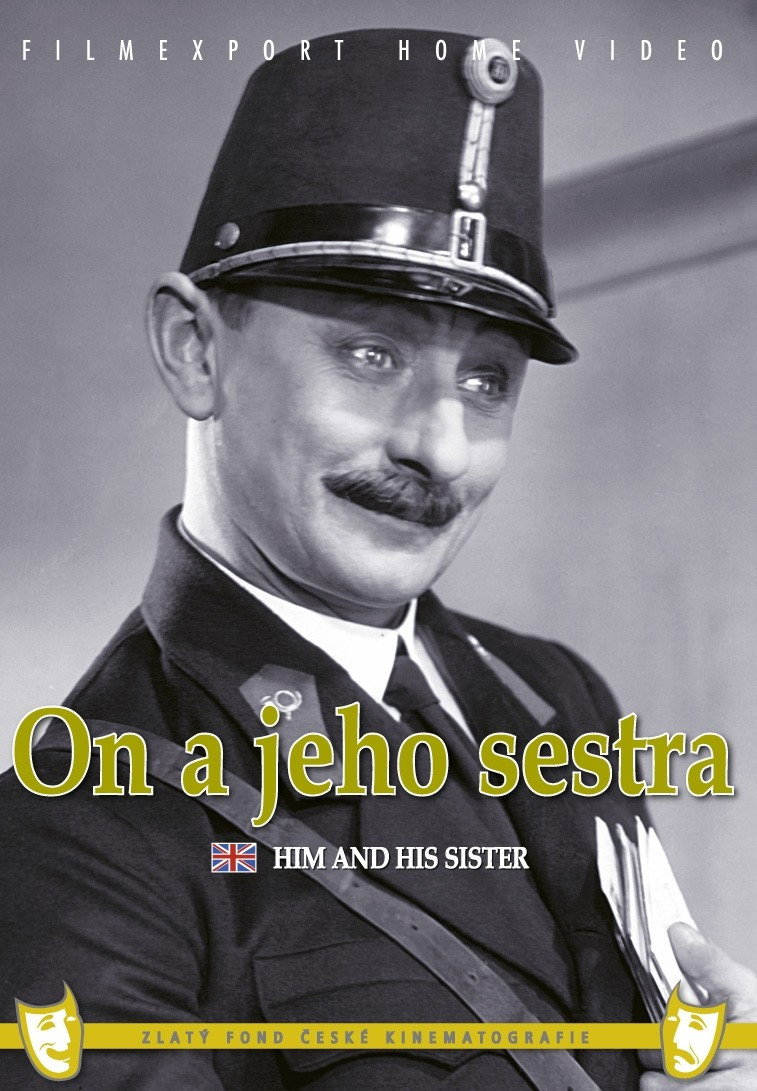
Him and His Sister (1931)
On a jeho sestra WikiData IMDb TMDB
other title: On a jeho sestra / Lui et sa sœur
Postman Brabec is a welcome guest of the revue theatre for his sense of humor, and he brings his director Holt letters from female admirers every day. Holt's fans include Brabec's sister Anny. The girl would like to join the theatre, but for the time being works as a maid for the actress Velden. A new revue is being rehearsed, the name of the author is secret. Veldenová will return the role just before the premiere because she doesn't like it. The quick-witted Brabec introduces the director to his sister, who knows all the parts by heart.

Movie

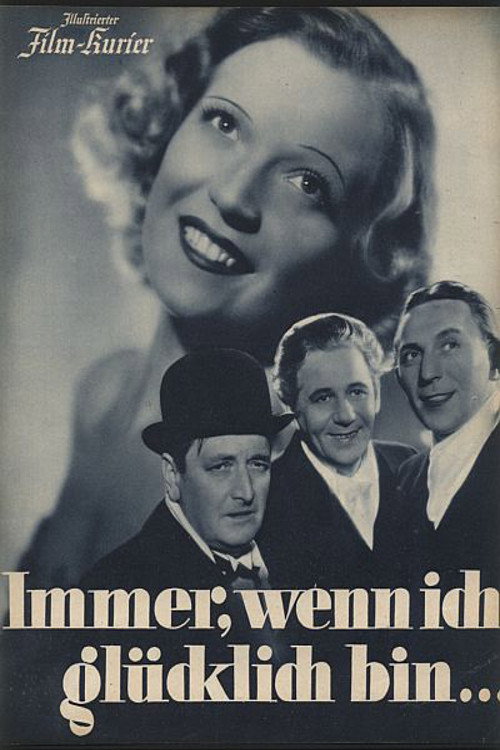
Waltz Melodies (1938)
Immer wenn ich glücklich bin WikiData IMDb TMDB
other title: Immer wenn ich glücklich bin / Cuando me siento feliz …
The big revue star Marietta falls in love and gives up the stage career. The theatre stands before the bankruptcy. Only when her husband has convinced himself that she will remain loyal to him, Marietta may go on working. Revue film according to pattern: a lot of music, sturdy situation comic and popular stars.

Movie

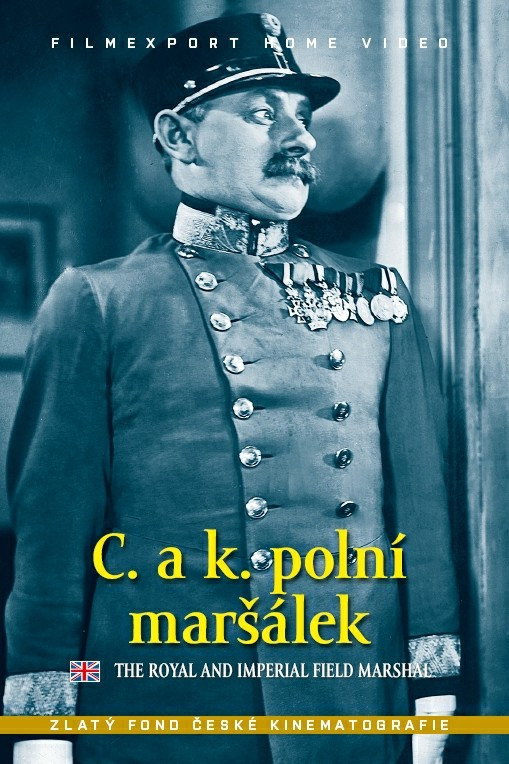
Imperial and Royal Field Marshal (1930)
C. a k. polní maršálek WikiData IMDb TMDB
other title: C. a k. polní maršálek
František Procházka was retired early because his soldiers sang a forbidden song about a c. and k. field marshal. Since he is a soldier in body and soul and his request for reactivation is rejected, he decides to visit his nephew Rudi. Upon arrival, he finds the uniform of the secretly expected field marshal in his nephew's room and, after putting it on and walking through the corridors of the garrison in it, he has no choice but to complete the entire play to the end. With his performance, he helps his nephew to get married, convicts the wanted spy and is eventually promoted to the real marshal and called back into service.

Movie

The Hound of the Baskervilles (1937)
Der Hund von Baskerville Douban
other title: 巴斯克维尔猎犬 / Der Hund von Baskerville
A most pleasingly atmospheric rendition of the tale, noirishly photographed and moodily set, this is the version which probably would have delighted Conan Doyle the most. There is one important plot change which enables the beautiful Alice Brandt to enjoy both a larger role and a more intriguing part in the proceedings. This change also builds up the parts of Dr Mortimer and Lord Charles, yet at the same time provides a nice introduction to the is-he-sinister or is-he-a-good-guy Barrymore, deftly played here by Fritz Rasp. Despite the sting of its well-developed story, the spellbindingly atmospheric direction and the engrossing performances delivered by the entire cast, many fans may find this version somewhat disappointing. For at least three reasons: As in the novel, the part played in the narrative by Sherlock Holmes, though vital, is minimal. And in this version, not only has no attempt been made to enlarge his role, if anything both writer and director do their best to minimize it. Holmes does not even make his entrance for half-an-hour, and when he does finally appear, he has his back to the camera. It is Fritz Odemar, as Dr Watson, who receives the more favorable camera angles. And there is a purpose in this. It is Watson, not Holmes, who figures as the main protagonist of The Hound of the Baskervilles. For the bulk of the narrative, Holmes disappears. It is Watson and Lord Henry (Peter Voss) who take up the running. The movie is almost over, before Holmes closes in on the villain. And even so, this is not the obsessed, self-important Holmes we are accustomed to see taking charge. Another problem is that the title hound itself does not figure a great deal in the action, a downgrading which will undoubtedly rate as another major disappointment for fans. And finally, it could be argued that the script gives too much attention to Conan Doyle's red herring, the escaped convict, and not enough to the real villain. This said, it must surely be admitted by all, that Odemar's interpretation of Watson—intelligent, charming, level-headed, courageous and resourceful—is much closer to Conan Doyle's conception than either the bungling, inveterately stupid Nigel Bruce or the self-effacing Ian Fleming. One other player deserves special mention: Erich Ponto (Dr Winkel in The Third Man) who seems exactly right for Stapleton. A difficult part, superbly played. - JohnHowardReid, imdb