Robert Frank — Director (9)

Movie

This Song for Jack (1983)
This Song for Jack IMDb TMDB
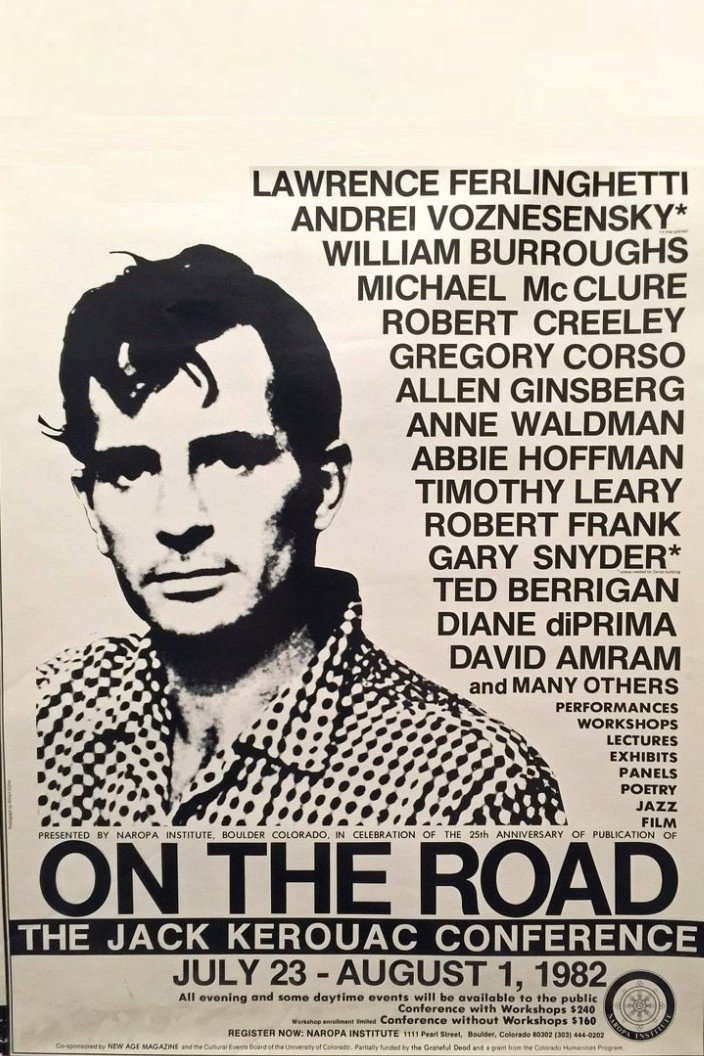
In 1982, Robert Frank was on hand at the Naropa Institute in Boulder, Colorado, to film the Jack Kerouac Conference, a 25th-anniversary commemoration of On the Road in which poignantly aging Beats and fellow-traveling authors, activists, and composers (Allen Ginsberg, William Burroughs, Gregory Corso, Michael McClure, Herbert Huncke, Anne Waldman, Lawrence Ferlinghetti, Ken Kesey, Abbie Hoffman, David Amram) gathered on a rain-swept Chautauqua porch to recite poetry and raise a glass to their patron saint. Particularly memorable is Frank’s humorous encounter with a group of grizzled and well-lubricated onlookers. — Museum of Modern Art

Movie

Conversations in Vermont (1971)
Conversations in Vermont WikiData IMDb TMDB
Produced in 1969, this was Frank’s first autobiographical film, telling the story of a father’s relationship with his two teenaged children, and his fragile attempts to communicate with them by means of a shared story. The shared story is partly told through Frank’s narration over filmed images of his photographs, family photographs and world famous images.

Movie

One Hour (1990)
C'est vrai WikiData IMDb TMDB
other title: C'est vrai
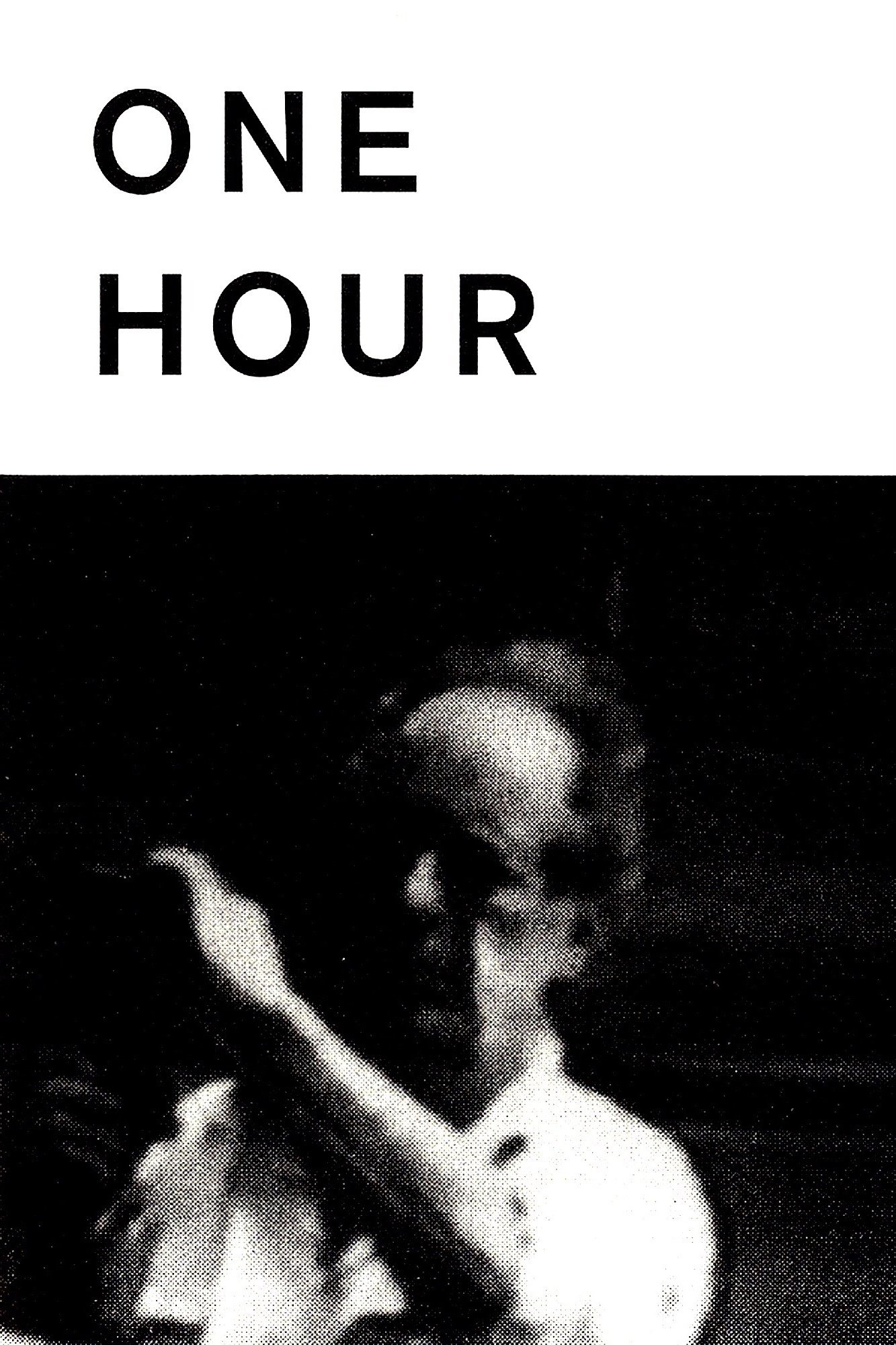
One of the longest handheld tracking shots in film history, It’s Real documents an hour in the street life of downtown Manhattan. Not only is it a unique record of a particular time and place—July 26, 1990, from 3:45 to 4:45 p.m. in the Lower East Side near Robert Frank’s studio (we note in a Daily News headline that after some 20 years the Zodiac killer still hasn’t been identified)—it’s also an experiment in fragmentary language, gesture, and life caught unawares. Snippets of dialogue captured in passing at phone booths and crosswalks, in alleyways, subways, and diners—chance encounters, only presumably, with people going about their day—have something of the aleatory cut-up technique of the Dadaists in the 1920s and William Burroughs and Byron Gysin in the 1950s, an effort to divine new and deeper meanings in ordinary life. — Museum of Modern Art

Movie

Me and My Brother (1969)
Me and My Brother WikiData IMDb TMDB Douban
other title: 我与我的兄弟
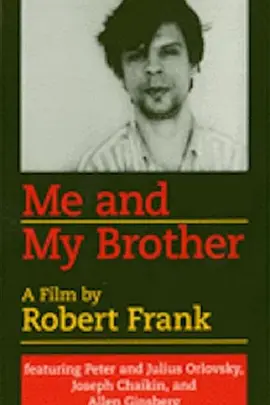
Robert Frank's first feature length film is a probing and unconventional study of Peter Orlovsky's brother, Julius. As a catatonic schizophrenic, Julius is condemned to life in hospitals until Allen Ginsberg and Peter bring him home, on the road, and onto the poetry circuit. Frank's film has many different layers of "real" people and actors trying to bring a voice to Julius, who does ultimately shed some light on his condition. 85 minutes, VHS.

Movie

Pull My Daisy (1959)
Pull My Daisy WikiData IMDb TMDB Douban
other title: 拔出雏菊 / 拔出雛菊
Based on an incident in the life of Beat icon Neal Cassady and his wife, the painter Carolyn, the film tells the story of a railway brakeman whose wife invites a respected bishop over for dinner. However, the brakeman's Bohemian friends crash the party, with comic results. Pull My Daisy is a film that typifies the Beat Generation. Directed by Robert Frank and Alfred Leslie, Daisy was adapted by Jack Kerouac from the third act of his play, Beat Generation; Kerouac also provided improvised narration.