Movie
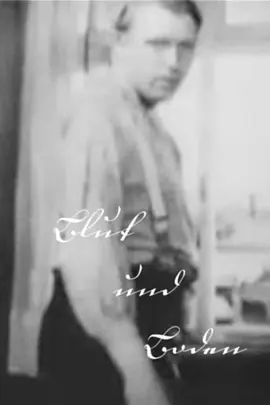
Blood and Soil (1933) WikiData IMDb TMDB Douban
Blut und Boden-Grundlagen zum neuen Reich
director:
Walter Ruttmann
/
Hans von Passavant
actor:
Heinz Berghaus
/
Carl de Vogt
…
other title:
血与地
/
Blut und Boden-Grundlagen zum neuen Reich
…
Blood and Soil (German: Blut und Boden) refers to the ideology focussing on a concept of ethnicity based on descent (Blood) and homeland (Soil). It celebrates the relationship of a people to the land that they occupy and cultivate, and places high esteem on the virtues of country (as opposed to urban) living.
From this propaganda film we learn, how hard it is to be a peasent when liberals rule the state. A family of peasents is forced to sell their property and run away to a big city, where they are forced to live in the poverty. Thankfully when the Nazis take power, they may finally come back and live a happy life.
Beside the main plot, there is also educational elements here: Germans are informed how few of them will remain in 2050 year if they don't start a mass reproduction. (OK I don't understand a single word in german, I just made it up based on the vision).
(@
)
From this propaganda film we learn, how hard it is to be a peasent when liberals rule the state. A family of peasents is forced to sell their property and run away to a big city, where they are forced to live in the poverty. Thankfully when the Nazis take power, they may finally come back and live a happy life.
Beside the main plot, there is also educational elements here: Germans are informed how few of them will remain in 2050 year if they don't start a mass reproduction. (OK I don't understand a single word in german, I just made it up based on the vision).
(@
)